This content is for informational purposes only and does not constitute medical advice. Always consult a qualified healthcare provider before making dietary changes. Histamine tolerance is highly individual.
This information applies to histamine intolerance, DAO deficiency, and MCAS only. If you have a confirmed food allergy, this content does not apply to you. Food allergies involve the immune system and can be life-threatening. Please consult your allergist.
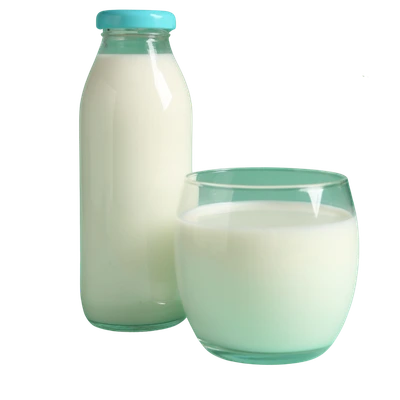
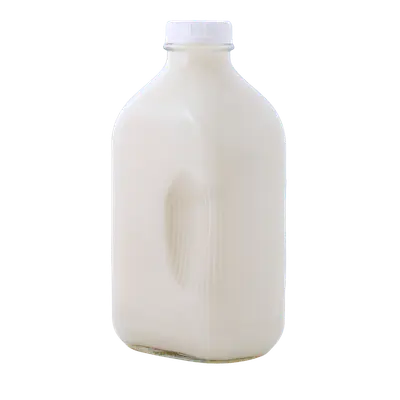
Is Milk, lactose-free a trigger for histamine intolerance?
Milk, lactose-free scores a 1 out of 3 on the SIGHI Food Compatibility List, placing it in the Low category.
Milk, lactose-free & Histamine, what the evidence says
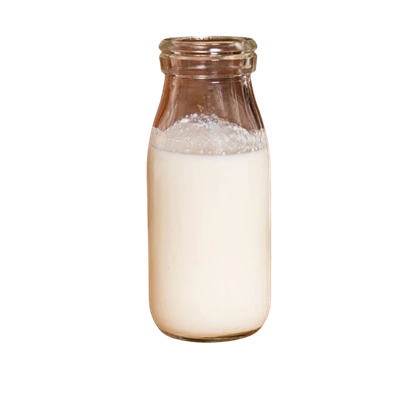
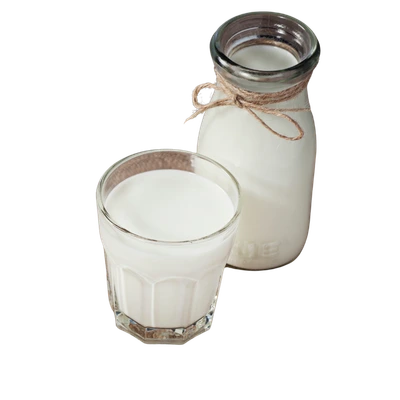
Lactose-free milk is produced by adding the lactase enzyme to standard milk, which breaks lactose down into simpler sugars. This process does not meaningfully change the milk's histamine content, so lactose-free milk remains generally comparable to regular fresh milk from a histamine standpoint.
The main benefit of lactose-free milk is avoiding the digestive discomfort that lactose can cause in people with lactose intolerance, which is a separate consideration from histamine intolerance. For people managing both, it can be a practical option that addresses one source of digestive discomfort without adding a separate histamine concern. As with regular milk, freshness and proper storage matter for keeping histamine levels low.
Does preparation change the risk?
Freshness and added ingredients are the most relevant factors for histamine risk in lactose-free milk. Plain, unflavored versions tend to carry the lowest risk for sensitive individuals.
| Form | Risk Level | Notes |
|---|---|---|
| Fresh / Pasteurized | Low | Shortest supply chain; lowest risk of secondary bacterial growth. |
| UHT (Aseptic) | Low | Sterile processing; generally fine as long as the seal is intact. |
| Skimmed (0% Fat) | Low | Similar profile; may be preferable for those with fat-malabsorption issues. |
| Fortified / Flavored | Moderate | Added vitamins or stabilizers can sometimes introduce additional triggers. |
Note: Risk levels are based on clinical observations and patient reports, not standardized histamine measurements. Individual tolerance varies.
A food score is a reference, not a verdict.
Histamine intolerance is highly individual. A food that triggers symptoms in one person may be tolerated by another, even within the same category.
Strict elimination may help reduce symptoms initially, but long-term progress often depends on gradual reintroduction and pattern recognition. The goal is not to remove more foods over time, but to understand your personal tolerance and expand your diet when possible.
Tracking symptoms, portions, and context such as stress or timing can provide insights that generalized food lists cannot. This is where informed decisions replace fear-based restriction.
How to test your tolerance
 Cold chain.
Keep it stored at a constant 4°C, since this milk's sweeter profile can sometimes mask early signs of spoilage.
 The 48-hour window.
Once opened, consuming it within two days can help minimize any histamine buildup from environmental bacteria.
 Check for gums.
Look at the ingredient list for carrageenan or guar gum, which are sometimes added to low-fat versions and may affect gut comfort in some people.
 Watch for extras.
Fortified or flavored versions may include added vitamins, sweeteners, or stabilizers, which are worth checking if you're being strict about other potential triggers.
 Tracking protocol.
Use the MyHistaMap app to note freshness, brand, and any other ingredients, helping you identify what, if anything, is behind any discomfort.
Common questions about Milk, lactose-free and histamine
Is lactose-free milk higher in histamine than regular milk?
Generally, no. It's considered essentially equivalent, since the lactase enzyme added to remove lactose doesn't meaningfully affect the milk's histamine content.
Can I drink this during the strict elimination phase?
It's generally allowed. If symptoms persist, tracking closely can help you figure out whether freshness, another ingredient, or something unrelated might be involved.
Is UHT safer than "fresh" lactose-free milk?
UHT remains sterile until opened, which minimizes initial bacterial load. Once opened, both generally follow a similar safety window of a few days.
Does it contain tyramine?
Generally not. Tyramine tends to develop through ripening or aging, and fresh processed milk doesn't undergo a maturation period long enough for tyramine to form.
Some people find these options helpful

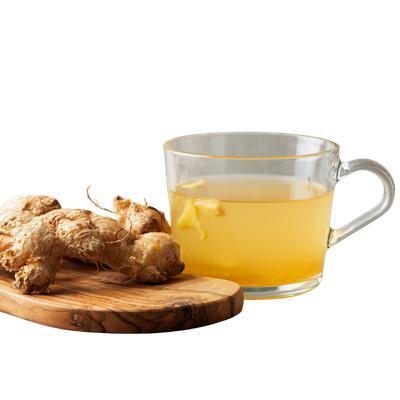
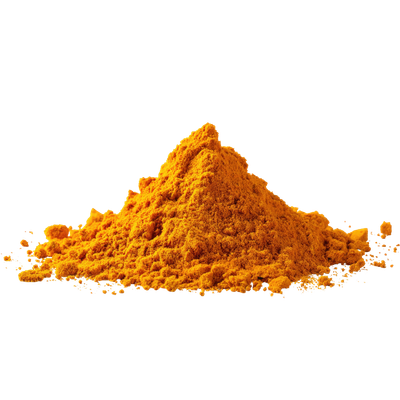
Supplements are optional tools, not a solution. Personal tracking and identifying your individual triggers remains the priority.
Where this information comes from
At MyHistaMap we curate information from peer reviewed research and recognized medical sources. This guide is a reference tool, not a medical prescription. Always track your own reactions and consult your healthcare provider.
References
- Lactose-free milk, Wikipedia: lactose-free milk is most commonly produced by adding the enzyme lactase to standard milk, which converts lactose into the more easily digestible sugars glucose and galactose, without involving bacterial fermentation.