This content is for informational purposes only and does not constitute medical advice. Always consult a qualified healthcare provider before making dietary changes. Histamine tolerance is highly individual.
This information applies to histamine intolerance, DAO deficiency, and MCAS only. If you have a confirmed food allergy, this content does not apply to you. Food allergies involve the immune system and can be life-threatening. Please consult your allergist.
Is Bay leaf / Laurel a trigger for histamine intolerance?
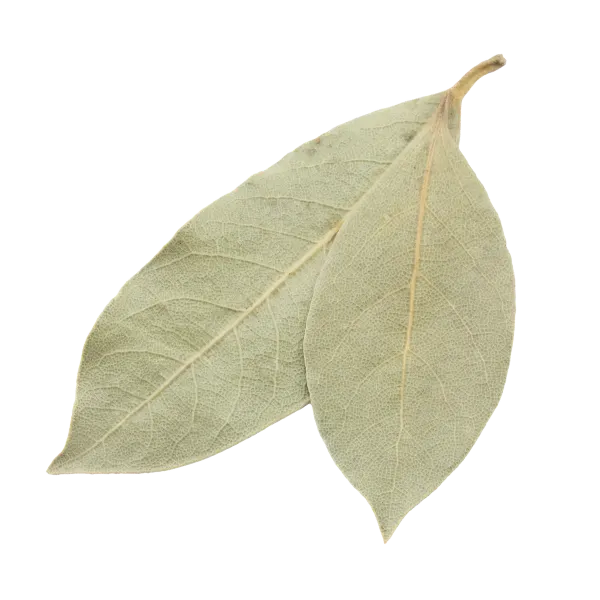
Bay leaf / Laurel scores a 0 out of 3 on the SIGHI Food Compatibility List, placing it in the Safe category.
Bay leaf / Laurel & Histamine, what the evidence says
Bay leaf is not associated with meaningful histamine content.
The main safety consideration with whole bay leaves is physical rather than histamine-related. Dried bay leaves are rigid and can remain intact during cooking and digestion. Multiple case reports published over several decades describe whole bay leaves becoming lodged in the throat or esophagus, causing obstruction, and in some cases causing intestinal injury or perforation. This is why whole bay leaves are typically removed before serving rather than eaten.
Bay leaf is also considered high in salicylates, a separate consideration from histamine, relevant for anyone managing salicylate sensitivity.
Contact dermatitis
Rare cases of contact dermatitis have been reported with bay leaf. This is mainly relevant to people with repeated or prolonged skin exposure, such as those who handle bay leaves regularly in professional kitchens or food processing. Brief contact during ordinary home cooking is not generally a concern.
Does preparation change the risk?
How bay leaf is used, whole versus ground, and whether it's eaten or removed, changes the risk picture more than histamine does.
| Form | Risk Level | Notes |
|---|---|---|
| Whole leaf, added during cooking and removed before serving | Low | Standard, intended use; not associated with meaningful histamine content |
| Whole leaf, accidentally swallowed | High | Case reports describe choking, esophageal impaction, and intestinal injury or perforation from whole leaves |
| Ground or crushed bay leaf, culinary amounts | Low | No physical injury risk since it isn't a rigid whole leaf; still high in salicylates |
| ⚠️ Handling whole dried leaves directly, repeatedly | Moderate | Rare cases of contact dermatitis have been reported with repeated or prolonged skin exposure, such as regularly handling bay leaves in professional kitchens or food processing |
Note: Risk levels are based on clinical observations and patient reports, not standardized histamine measurements. Individual tolerance varies.
A food score is a reference, not a verdict.
Histamine intolerance is highly individual. A food that triggers symptoms in one person may be tolerated by another, even within the same category.
Strict elimination may help reduce symptoms initially, but long-term progress often depends on gradual reintroduction and pattern recognition. The goal is not to remove more foods over time, but to understand your personal tolerance and expand your diet when possible.
Tracking symptoms, portions, and context such as stress or timing can provide insights that generalized food lists cannot. This is where informed decisions replace fear-based restriction.
How to test your tolerance
 Always remove whole leaves before serving.
Whole bay leaves don't soften during cooking. Fishing them out before the dish is served avoids the choking and injury risk entirely.
- Know what to watch for if one is swallowed.
Severe abdominal pain, difficulty swallowing, or persistent discomfort after accidentally swallowing a whole leaf warrants medical attention.
 Ground bay leaf sidesteps the injury risk.
If you want the flavor without fishing out leaves, ground or crushed bay leaf avoids the physical hazard, though it's still high in salicylates.
- Consider gloves with frequent handling.
If you handle bay leaves often, such as in professional food prep, gloves can reduce the small but real risk of contact dermatitis.
- Factor in salicylates separately.
Bay leaf is considered high in salicylates. If you're managing salicylate sensitivity alongside histamine, this is worth tracking.
 Track your response in MyHistaMap.
Log the form you used and any symptoms, keeping in mind that reactions here are more likely tied to salicylates or physical irritation than to histamine.
Common questions about Bay leaf / Laurel and histamine
Is bay leaf high in histamine?
No, bay leaf is not associated with meaningful histamine content.
What happens if I accidentally swallow a bay leaf?
It usually passes without incident, but case reports describe whole bay leaves causing choking, becoming lodged in the throat or esophagus, or in rare cases causing intestinal injury or perforation. Severe pain or difficulty swallowing after ingestion warrants medical attention.
Is bay leaf high in salicylates?
Yes, bay leaf is considered high in salicylates, a separate consideration from histamine, relevant for anyone managing salicylate sensitivity.
Can bay leaf cause a skin reaction?
Rare cases of contact dermatitis have been reported, mainly in people with repeated or prolonged skin exposure, such as regularly handling bay leaves in professional food preparation. Brief contact during ordinary home cooking isn't generally a concern.
Some people find these options helpful





Supplements are optional tools, not a solution. Personal tracking and identifying your individual triggers remains the priority.
Where this information comes from
At MyHistaMap we curate information from peer reviewed research and recognized medical sources. This guide is a reference tool, not a medical prescription. Always track your own reactions and consult your healthcare provider.
References
- SIGHI (Swiss Interest Group Histamine Intolerance) Food Compatibility List: classifies bay laurel/laurel with a histamine score of 0, no biogenic amine, liberator, or DAO-blocker letters.
- Bell CD, Mustard RA, Bay leaf perforation of Meckel's diverticulum, Canadian Journal of Surgery, 1997: peer-reviewed case report of intestinal perforation caused by an accidentally swallowed whole bay leaf, part of a documented line of similar case reports in medical journals (including JAMA, 1983, and Annals of Internal Medicine, 1990, describing esophageal impaction). The source for this page's physical injury section.
- RPAH Elimination Diet Handbook, Swain, Soutter & Loblay, Royal Prince Alfred Hospital Allergy Unit: classifies bay leaf among herbs and spices high in salicylates. The source for this page's salicylate section.
- Adişen E, Onder M, Allergic contact dermatitis from Laurus nobilis oil induced by massage, Contact Dermatitis, 2007: peer-reviewed case report of allergic contact dermatitis from laurel oil, part of a small documented set of similar cases in the dermatology literature, including occupational relevance for those with repeated skin exposure in food handling settings. The source for this page's contact dermatitis section.