This content is for informational purposes only and does not constitute medical advice. Always consult a qualified healthcare provider before making dietary changes. Histamine tolerance is highly individual.
This information applies to histamine intolerance, DAO deficiency, and MCAS only. If you have a confirmed food allergy, this content does not apply to you. Food allergies involve the immune system and can be life-threatening. Please consult your allergist.
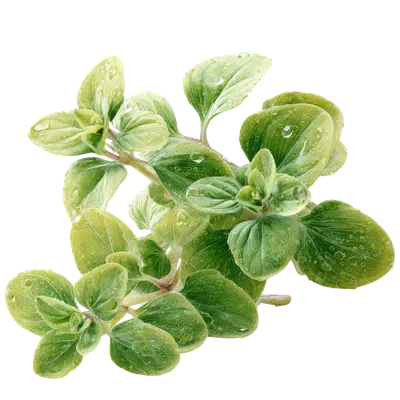
Is Oregano a trigger for histamine intolerance?
Oregano scores a 0 out of 3 on the SIGHI Food Compatibility List, placing it in the Safe category.
Oregano & Histamine, what the evidence says
Oregano is not associated with meaningful histamine content.
Oregano contains carvacrol and rosmarinic acid, two bioactive compounds that have been studied for their effects on mast cells and histamine-related pathways. Experimental research has found that carvacrol can reduce mast cell degranulation, while rosmarinic acid has been shown to inhibit IgE-triggered mast cell degranulation and histamine release in cell and animal models. This research is preliminary and has not established that eating oregano produces the same effects in people with histamine intolerance, so these findings should not be interpreted as a treatment for histamine symptoms. They are nevertheless an interesting area of research for a common culinary herb.
The more practical consideration for many people is salicylates. Oregano has been measured among the higher-salicylate culinary herbs and spices, although basil and cumin were higher in the same laboratory analysis, with cloves also ranking highly. Someone managing both histamine and salicylate sensitivity may therefore react to oregano for reasons unrelated to its histamine profile.
Does preparation change the risk?
Form and concentration matter for oregano, particularly for salicylate exposure.
| Form | Risk Level | Notes |
|---|---|---|
| Fresh oregano, culinary amounts | Low | Not associated with meaningful histamine content |
| Dried oregano, culinary amounts | Moderate | More concentrated in salicylates per gram than fresh; store away from moisture to avoid mold |
| Oregano oil or concentrated supplements | High | Highly concentrated; can irritate the gut if not diluted appropriately |
Note: Risk levels are based on clinical observations and patient reports, not standardized histamine measurements. Individual tolerance varies.
A food score is a reference, not a verdict.
Histamine intolerance is highly individual. A food that triggers symptoms in one person may be tolerated by another, even within the same category.
Strict elimination may help reduce symptoms initially, but long-term progress often depends on gradual reintroduction and pattern recognition. The goal is not to remove more foods over time, but to understand your personal tolerance and expand your diet when possible.
Tracking symptoms, portions, and context such as stress or timing can provide insights that generalized food lists cannot. This is where informed decisions replace fear-based restriction.
How to test your tolerance
 Fresh or dried, both work.
Oregano is not associated with meaningful histamine content in either form. Dried oregano is more concentrated in salicylates per gram.
 Watch your overall salicylate load.
Oregano ranks among the higher-salicylate herbs and spices. If you're combining it with other high-salicylate ingredients, this can add up for someone managing that sensitivity.
 Store dried oregano properly.
An airtight container in a cool, dark place helps prevent moisture and mold, a general food-quality concern rather than something specific to histamine.
 Know what a reaction might mean.
If you generally tolerate histamine-related foods well but react to oregano, salicylate sensitivity may be a more likely explanation than histamine.
- Low FODMAP in typical amounts.
Oregano is considered low FODMAP at standard culinary amounts.
 Track your response in MyHistaMap.
Log the form and amount of oregano used, and any symptoms, noting whether they seem more consistent with a salicylate reaction.
Common questions about Oregano and histamine
Is oregano high in histamine?
No, oregano is not associated with meaningful histamine content.
Can oregano help with histamine symptoms?
Compounds in oregano, including carvacrol and rosmarinic acid, have shown effects on mast cells in laboratory and animal research, but this hasn't been established as a treatment for histamine symptoms in people, so it shouldn't be relied on for that.
Why might oregano cause a reaction if it's not high in histamine?
Oregano is high in salicylates. If you're sensitive to both histamine and salicylates, you may react to oregano for reasons unrelated to its histamine content.
Is oregano safe for a low FODMAP diet?
Yes, oregano is considered low FODMAP at typical culinary amounts.
Some people find these options helpful
Supplements are optional tools, not a solution. Personal tracking and identifying your individual triggers remains the priority.
Where this information comes from
At MyHistaMap we curate information from peer reviewed research and recognized medical sources. This guide is a reference tool, not a medical prescription. Always track your own reactions and consult your healthcare provider.
References
- SIGHI (Swiss Interest Group Histamine Intolerance) Food Compatibility List: classifies oregano with a histamine score of 0.
- Kim JY et al., Carvacrol suppresses immunoglobulin E-mediated allergic response by inhibition of mast cell degranulation, Experimental and Therapeutic Medicine, 2014: found that carvacrol inhibited IgE-mediated mast cell degranulation and histamine release in laboratory research. The source for this page's carvacrol section.
- Jia B et al., Inhibitory effect of rosmarinic acid on IgE-trigged mast cell degranulation in vitro and in vivo, Molecular Biology Reports, 2024: found rosmarinic acid down-regulated histamine and other degranulation markers in IgE-activated mast cells in both cell culture and animal models. The source for this page's rosmarinic acid section.
- Gajewska D, Kęszycka PK, Szkop M, Dietary salicylates in herbs and spices, Food & Function, 2019: RP-HPLC measurement finding the highest salicylate concentrations among tested culinary herbs and spices in dried basil and cumin, followed by dried oregano and cloves. The source for this page's salicylate section.
- Monash University FODMAP Diet App food database: classifies oregano as low FODMAP at standard culinary serving sizes. The source for this page's FODMAP section.