This content is for informational purposes only and does not constitute medical advice. Always consult a qualified healthcare provider before making dietary changes. Histamine tolerance is highly individual.
This information applies to histamine intolerance, DAO deficiency, and MCAS only. If you have a confirmed food allergy, this content does not apply to you. Food allergies involve the immune system and can be life-threatening. Please consult your allergist.
Is Mascarpone cheese a trigger for histamine intolerance?
Mascarpone cheese scores a 0 out of 3 on the SIGHI Food Compatibility List, placing it in the Safe category.
Mascarpone cheese & Histamine, what the evidence says
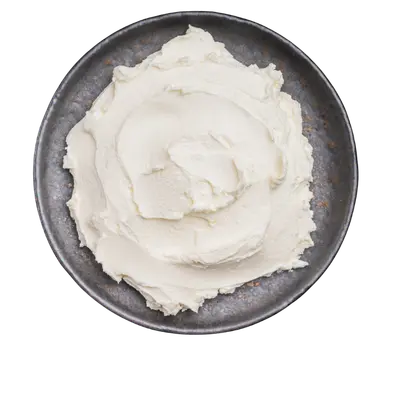
Mascarpone is a fresh, double or triple-cream cheese made by coagulating milk cream with citric or tartaric acid. Unlike aged cheeses, it does not undergo a long fermentation or ripening process involving bacterial cultures that can produce biogenic amines. As a result, mascarpone is not associated with meaningful histamine levels and is generally considered a lower-risk cheese from a histamine standpoint.
Its main consideration is freshness. Because mascarpone is made primarily from cream and is not aged, it retains more lactose than many aged cheeses. For people who are also lactose intolerant, this can cause separate digestive symptoms that have nothing to do with histamine. Its high fat content may also slow gastric emptying, which can affect how comfortably some people digest it.
Does preparation change the risk?
Freshness and ingredient integrity are the most critical factors for histamine risk in mascarpone. Flavored or near-expiry varieties introduce additional risk for sensitive individuals.
| Form | Risk Level | Notes |
|---|---|---|
| Fresh / Original | Low | No ripening; minimal biogenic amine content. |
| Light / Reduced Fat | Low | Often contains more thickeners, but remains low in amines. |
| Flavored (Sweet) | Moderate | Additives, cocoa, or fruit preserves can act as triggers. |
| Near Expiry | Moderate | Risk of bacterial growth increases amine levels rapidly. |
Note: Risk levels are based on clinical observations and patient reports, not standardized histamine measurements. Individual tolerance varies.
A food score is a reference, not a verdict.
Histamine intolerance is highly individual. A food that triggers symptoms in one person may be tolerated by another, even within the same category.
Strict elimination may help reduce symptoms initially, but long-term progress often depends on gradual reintroduction and pattern recognition. The goal is not to remove more foods over time, but to understand your personal tolerance and expand your diet when possible.
Tracking symptoms, portions, and context such as stress or timing can provide insights that generalized food lists cannot. This is where informed decisions replace fear-based restriction.
How to test your tolerance
 The 48-hour rule.
Once the container is opened, histamine levels can rise due to environmental bacterial exposure. Consuming it within 2 days of opening is generally a good idea.
 Check for acids.
Look to confirm the coagulant used is citric or tartaric acid. Versions that mention "cultures" or "starter" may indicate a fermentation process.
- Visual inspection.
Mascarpone should be a fairly uniform white or ivory. A yellowish tint or sour smell can indicate oxidation or spoilage, which is worth avoiding.
 Temperature control.
Try to avoid leaving mascarpone at room temperature for more than 15-20 minutes during food preparation.
 Tracking protocol.
Use the MyHistaMap app to monitor symptoms for up to 24 hours after consumption, since high-fat dairy can sometimes be associated with delayed digestive or neurological effects.
Common questions about Mascarpone cheese and histamine
Is mascarpone safer than cream cheese?
Generally, yes. Standard cream cheese often uses lactic starters and longer set times, whereas mascarpone's acid-set method is faster and tends to produce fewer fermentation byproducts.
Can I use mascarpone in desserts like tiramisu?
The cheese itself is generally low-risk, but traditional tiramisu contains coffee, cocoa, and alcohol. Coffee's caffeine specifically hasn't been shown to inhibit DAO under direct testing, but coffee does contain other biogenic amines like tyramine that some people find triggering, alongside cocoa and alcohol. Using mascarpone with well-tolerated fruits like blueberries is an alternative.
Does mascarpone contain tyramine?
Generally not in significant amounts. Tyramine tends to form through long protein breakdown during aging, and fresh acid-set cheeses like mascarpone don't go through that process.
Is there a lactose-free mascarpone?
Some brands offer lactose-free versions where the lactase enzyme is added, which can be a helpful option for those who also deal with lactose intolerance.
Some people find these options helpful


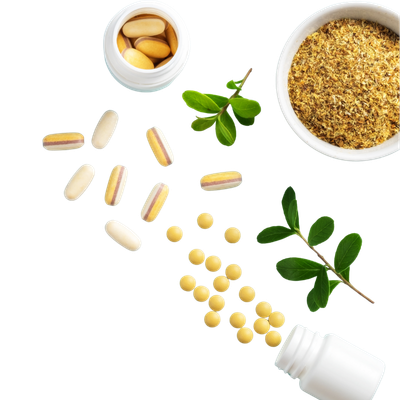
Supplements are optional tools, not a solution. Personal tracking and identifying your individual triggers remains the priority.
Where this information comes from
At MyHistaMap we curate information from peer reviewed research and recognized medical sources. This guide is a reference tool, not a medical prescription. Always track your own reactions and consult your healthcare provider.
References
- Mascarpone Lactose Content, New Market Dairy: mascarpone contains roughly 2-4 grams of lactose per 100 grams, higher than most aged cheeses because it is not fermented or aged, though still lower than fresh milk.
- Diamine Oxidase, ScienceDirect Topics: documented foodborne inhibitors of DAO include cadaverine and tyramine, among others; direct laboratory testing of caffeine against human DAO has not found it to inhibit the enzyme's activity.