This content is for informational purposes only and does not constitute medical advice. Always consult a qualified healthcare provider before making dietary changes. Histamine tolerance is highly individual.
This information applies to histamine intolerance, DAO deficiency, and MCAS only. If you have a confirmed food allergy, this content does not apply to you. Food allergies involve the immune system and can be life-threatening. Please consult your allergist.
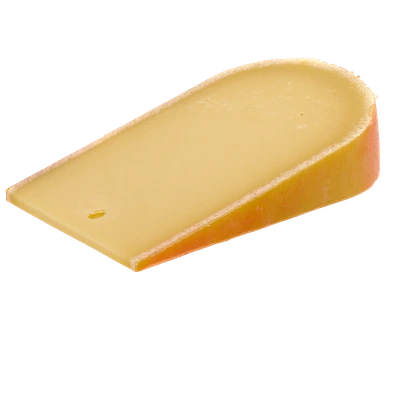
Is Old Gouda cheese a trigger for histamine intolerance?
Old Gouda cheese scores a 2 out of 3 on the SIGHI Food Compatibility List, placing it in the Moderate category.
Old Gouda cheese & Histamine, what the evidence says
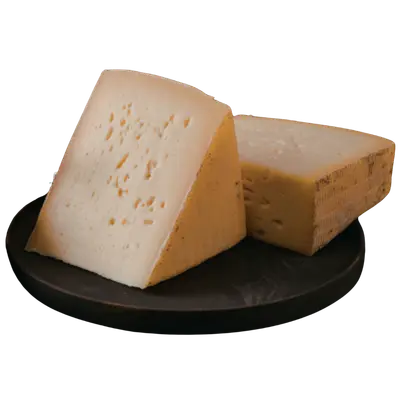
Old Gouda, labeled as Oud, is a hard cheese that typically undergoes a maturation process lasting between 10 and 12 months. During this time, the breakdown of milk proteins and ongoing microbial activity can lead to the accumulation of biogenic amines. It is notably higher in histamine than Young Gouda, but measured levels in aged Gouda-type cheeses have been reported well below those found in heavily aged Italian hard cheeses such as Pecorino Romano or Grana Padano, placing Old Gouda in a more moderate range among aged cheeses.
The clinical concern with Old Gouda is the presence of both histamine and tyramine. Histamine is cleared mainly by DAO, while tyramine is broken down mainly by a different enzyme, MAO. Research has found that high concentrations of tyramine can still interfere with DAO activity, potentially making it harder to clear histamine at the same time. This combined amine load may contribute to symptoms such as headaches, skin flushing, or digestive discomfort in sensitive individuals. Because much of its lactose is broken down during the long maturation process, Old Gouda is generally low in lactose and FODMAPs, but it can still be relevant for people with a low tolerance for dietary biogenic amines.
Does preparation change the risk?
The degree of maturation is the primary determinant of histamine risk in Gouda. Risk tends to increase progressively with aging, from moderate in standard Oud to higher in extra-aged varieties.
| Form | Risk Level | Notes |
|---|---|---|
| Aged (Belegen) | Moderate | 4 to 8 months aging; levels are elevated but manageable for some |
| Old (Oud) | Moderate | 10 to 12 months; a fairly standard amine profile for this cheese type |
| Extra-Aged (Overjarig) | High | 18 months or more; risk tends to increase further with additional aging |
| Grated Old Gouda | High | Increased oxidation and potential for faster amine buildup |
Note: Risk levels are based on clinical observations and patient reports, not standardized histamine measurements. Individual tolerance varies.
A food score is a reference, not a verdict.
Histamine intolerance is highly individual. A food that triggers symptoms in one person may be tolerated by another, even within the same category.
Strict elimination may help reduce symptoms initially, but long-term progress often depends on gradual reintroduction and pattern recognition. The goal is not to remove more foods over time, but to understand your personal tolerance and expand your diet when possible.
Tracking symptoms, portions, and context such as stress or timing can provide insights that generalized food lists cannot. This is where informed decisions replace fear-based restriction.
How to test your tolerance
 Portion control.
If you choose to consume Old Gouda, limiting it to small amounts, under 30g, may help you stay within your personal histamine threshold.
 Freshness of the cut.
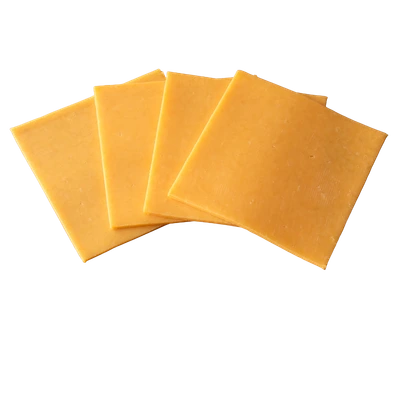
Buying a whole piece and slicing it yourself, rather than pre-sliced or grated versions, may help.
 The "crystal" rule.
Crunchy tyrosine crystals form through the same protein breakdown process that produces biogenic amines, so more crystals are generally a sign of longer aging and a higher amine load.
 Pairing protocol.
Pairing it with other moderate or higher-risk foods, like wine or tomatoes, may add up quickly, so it's worth being mindful of combinations.
 Tracking protocol.
Use the MyHistaMap app to monitor symptoms for up to 24 hours after consumption, since aged cheeses have been associated with delayed effects like headaches or brain fog.
Common questions about Old Gouda cheese and histamine
Is Old Gouda considered a "histamine liberator"?
Not really. It contains actual histamine rather than acting as a liberator. A liberator triggers your body to release its own histamine, while Old Gouda introduces histamine directly into your system.
Can I freeze Old Gouda to make it safer?
Freezing can stop further histamine production, but it won't reduce the levels already present in the cheese.
Why is Old Gouda considered lower-risk than something like Gorgonzola or very old Parmesan?
Mostly because of how much shorter its aging process is. Measured biogenic amine levels in aged Gouda-type cheeses have come in well below those found in heavily aged Italian hard cheeses, which typically age for much longer and undergo more intense proteolysis.
Does drinking water help after eating Old Gouda?
Hydration can support general kidney function, but it won't significantly speed up the breakdown of histamine already in the bloodstream.
Some people find these options helpful


Supplements are optional tools, not a solution. Personal tracking and identifying your individual triggers remains the priority.

Where this information comes from
At MyHistaMap we curate information from peer reviewed research and recognized medical sources. This guide is a reference tool, not a medical prescription. Always track your own reactions and consult your healthcare provider.
References
- Quantitative Analysis of Biogenic Amines in Different Cheese Varieties Obtained from the Korean Domestic and Retail Markets, Foods, 2021: measured total biogenic amine levels of 257 to 384 mg/kg in farmstead ripened hard and semi-hard cheeses (Cheddar, Gouda), compared with over 1000 mg/kg in heavily aged Italian hard cheeses like Pecorino Romano and Grana Padano.
- Sánchez-Pérez et al., The Rate of Histamine Degradation by Diamine Oxidase Is Compromised by Other Biogenic Amines, Frontiers in Nutrition, 2022: found that tyramine measurably slowed DAO's histamine degradation rate in vitro at high concentrations relative to histamine, despite tyramine's primary breakdown pathway being MAO rather than DAO.
- A Comprehensive Review on the Biogenic Amines in Cheeses: Their Origin, Chemical Characteristics, Hazard and Reduction Strategies, Foods (MDPI), 2024: reports a strong correlation between the release of free amino acids like tyrosine during proteolysis and the accumulation of biogenic amines in cheese, supporting tyrosine crystal formation as a visible marker of the same underlying process.