This content is for informational purposes only and does not constitute medical advice. Always consult a qualified healthcare provider before making dietary changes. Histamine tolerance is highly individual.
This information applies to histamine intolerance, DAO deficiency, and MCAS only. If you have a confirmed food allergy, this content does not apply to you. Food allergies involve the immune system and can be life-threatening. Please consult your allergist.
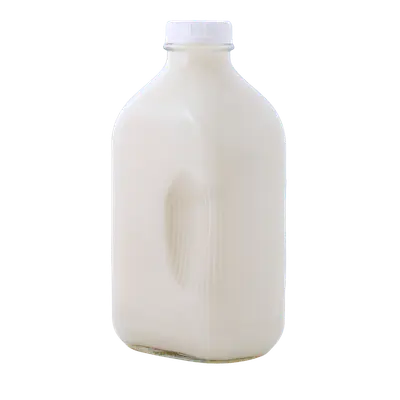
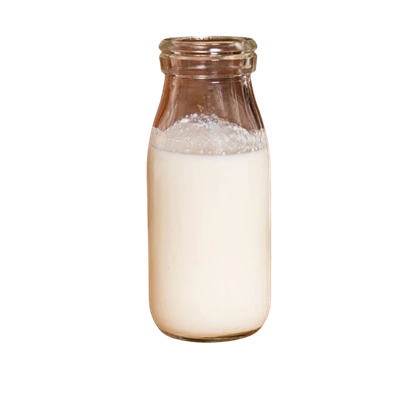
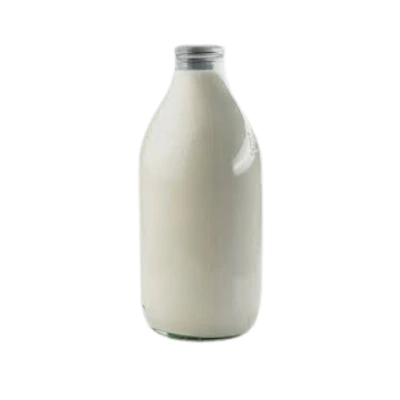
Is Milk, pasteurised a trigger for histamine intolerance?
Milk, pasteurised scores a 0 out of 3 on the SIGHI Food Compatibility List, placing it in the Safe category.
Milk, pasteurised & Histamine, what the evidence says
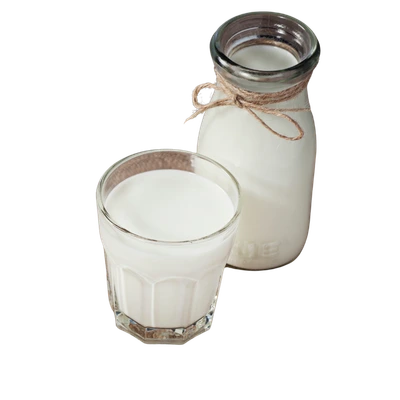
Fresh pasteurized milk is generally considered a neutral, low-risk food in histamine protocols. Pasteurization uses heat to eliminate pathogenic bacteria, but it does not turn milk into a fermented product or otherwise create the conditions typically associated with significant biogenic amine formation. Fresh pasteurized milk also contains no bacterial starter cultures or added enzymes used for fermentation, so its histamine content is generally low.
Its suitability largely depends on keeping it fresh and properly refrigerated. For many people with histamine intolerance, however, lactose remains a separate consideration. If the intestinal lining is affected by inflammation or other conditions, lactase activity can decrease, allowing more undigested lactose to reach the colon and cause digestive symptoms. This can make milk difficult to tolerate even when histamine itself is not the problem.
Does preparation change the risk?
Freshness and processing method are the most relevant factors for pasteurized milk. Most standard forms are low-risk when handled correctly.
| Form | Risk Level | Notes |
|---|---|---|
| Whole (Full Fat) | Low | Fresh and unfermented; no notable amine formation. |
| Skimmed / Semi | Low | Fat removal doesn't affect histamine levels. |
| Homogenized | Low | Standard process to prevent fat separation; no notable amine risk. |
| Raw (Unpasteurized) | Moderate | Higher risk of rapid bacterial growth if the cold chain isn't well maintained. |
Note: Risk levels are based on clinical observations and patient reports, not standardized histamine measurements. Individual tolerance varies.
A food score is a reference, not a verdict.
Histamine intolerance is highly individual. A food that triggers symptoms in one person may be tolerated by another, even within the same category.
Strict elimination may help reduce symptoms initially, but long-term progress often depends on gradual reintroduction and pattern recognition. The goal is not to remove more foods over time, but to understand your personal tolerance and expand your diet when possible.
Tracking symptoms, portions, and context such as stress or timing can provide insights that generalized food lists cannot. This is where informed decisions replace fear-based restriction.
How to test your tolerance
 Check the date.
Selecting the bottle with the furthest expiration date available generally helps ensure lower microbial activity.
 The 24-hour goal.
For extra caution during a flare-up, consuming milk within 24 hours of opening may help, since bacteria from the air can begin affecting it fairly quickly.
 Avoid "milk drinks".
Extended shelf-life milk drinks that contain added proteins or thickeners can be less stable than pure pasteurized milk, so it's worth being cautious with these.
 Smell isn't everything.
Histamine can build up before milk smells noticeably off, so it's worth tracking time since opening rather than relying on smell alone.
 Tracking protocol.
Use MyHistaMap to monitor your window of freshness, noting if you tolerate the milk better on day 1 than on day 3 after opening.
Common questions about Milk, pasteurised and histamine
Is pasteurized milk safer than UHT milk?
Both are generally considered low-risk. Pasteurized milk has a shorter shelf life and requires constant refrigeration, whereas UHT stays sterile for longer, though its longer processing and storage time can allow slightly more biogenic amines to form. For very sensitive individuals, ultra-fresh pasteurized milk is often preferred.
Why do I react to milk if it's generally low-risk?
You may be reacting to the lactose or to the milk protein, casein, rather than to histamine. These are separate mechanisms from histamine intolerance, even though the symptoms can feel similar.
Does organic milk have less histamine?
Not necessarily. Histamine levels are mostly determined by freshness and the absence of fermentation, rather than organic certification.
Can I boil the milk to remove histamine?
Not really. If histamine has already formed due to spoilage or age, heat won't break it down.
Some people find these options helpful

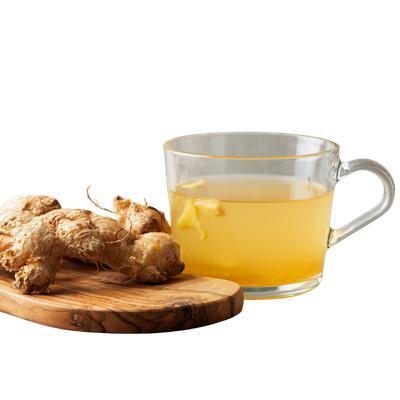
Supplements are optional tools, not a solution. Personal tracking and identifying your individual triggers remains the priority.
Where this information comes from
At MyHistaMap we curate information from peer reviewed research and recognized medical sources. This guide is a reference tool, not a medical prescription. Always track your own reactions and consult your healthcare provider.
References
- SIGHI (Swiss Interest Group Histamine Intolerance) Food Compatibility List: lists milk with a histamine value of 0, with the specific remark 'Milk may be incompatible, as long as the bowel is still irritated.' This is the source for milk's low-histamine classification and for the note that gut inflammation, not histamine itself, can be the reason milk is poorly tolerated in some cases.
- Mayo Clinic, Lactose Intolerance - Symptoms and Causes: explains that secondary lactose intolerance occurs when illness, injury, or intestinal conditions such as celiac disease or Crohn's disease decrease the small intestine's lactase production. This is the source for the lactase mechanism referenced on this page.