This content is for informational purposes only and does not constitute medical advice. Always consult a qualified healthcare provider before making dietary changes. Histamine tolerance is highly individual.
This information applies to histamine intolerance, DAO deficiency, and MCAS only. If you have a confirmed food allergy, this content does not apply to you. Food allergies involve the immune system and can be life-threatening. Please consult your allergist.
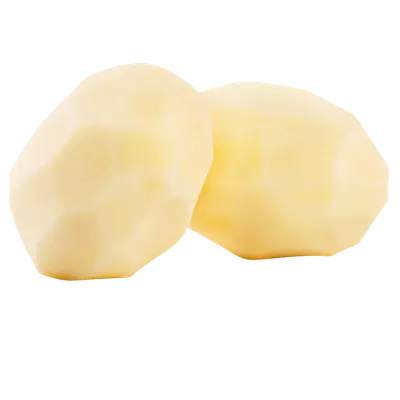
Is Peeled potato a trigger for histamine intolerance?
Peeled potato scores a 0 out of 3 on the SIGHI Food Compatibility List, placing it in the Safe category.
Peeled potato & Histamine, what the evidence says
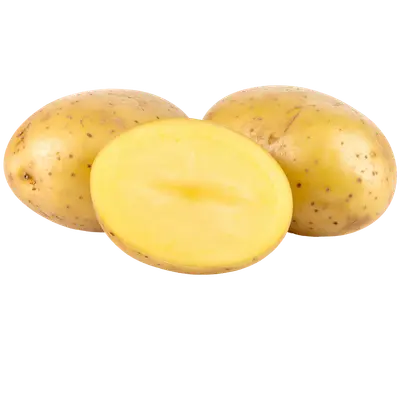
Peeled white potato is generally considered low in histamine, making it a straightforward carbohydrate option for a low-histamine approach. Peeling removes much of the potato's glycoalkaloids, such as solanine, which are concentrated in the skin and the thin layer just beneath it. Salicylate content appears to vary by variety: white-fleshed potatoes have been reported at negligible levels once peeled, while some colored varieties, including blue, purple, pink, and yellow-fleshed potatoes, can contain higher levels even after peeling. This makes peeled white potato a useful baseline food during a more restrictive elimination diet.
From a digestive perspective, potatoes also provide resistant starch, particularly when they are cooked and then cooled. This type of starch passes through the small intestine and can be fermented by gut bacteria. Tolerance can still vary between individuals, and potatoes are part of the nightshade family, so they naturally contain small amounts of glycoalkaloids even after peeling. For most people, these amounts are not a concern when potatoes are properly stored, prepared, and cooked. From a histamine standpoint, fresh peeled white potato remains a relatively straightforward carbohydrate to test.
Does preparation change the risk?
Most peeled potato preparations tend to be well tolerated. The main considerations come from additives in processed forms or high-temperature cooking creating acrylamides.
| Form | Risk Level | Notes |
|---|---|---|
| Boiled (peeled) | Low | Generally the safest and most digestible form |
| Mashed (homemade) | Low | Generally fine if made with well-tolerated fats, like ghee or specific oils, and no milk |
| Roasted (peeled) | Low | Generally fine, though high temperatures can create acrylamides worth monitoring |
| Resistant starch (cooled) | Low | Well regarded for gut health; may help support the microbiome |
| Instant mashed / Flakes | Moderate | Often contains additives, sulfites, or emulsifiers that may trigger reactions |
Note: Risk levels are based on clinical observations and patient reports, not standardized histamine measurements. Individual tolerance varies.
A food score is a reference, not a verdict.
Histamine intolerance is highly individual. A food that triggers symptoms in one person may be tolerated by another, even within the same category.
Strict elimination may help reduce symptoms initially, but long-term progress often depends on gradual reintroduction and pattern recognition. The goal is not to remove more foods over time, but to understand your personal tolerance and expand your diet when possible.
Tracking symptoms, portions, and context such as stress or timing can provide insights that generalized food lists cannot. This is where informed decisions replace fear-based restriction.
How to test your tolerance
 Deep peeling strategy.
When peeling, removing not just the skin but also any greenish tint or eyes helps, since these areas tend to have the highest concentration of solanine.
- The nightshade alternative.
If you suspect a sensitivity to the nightshade family, such as potatoes, peppers, or tomatoes, sweet potatoes are a generally well-tolerated alternative that doesn't contain solanine.
 The cooling hack.
Cooking potatoes and then cooling them for 24 hours in the fridge converts some of the starch into resistant starch, which may feed beneficial bacteria with less of the gas associated with high-FODMAP fibers.
 Avoid pre-peeled packs.
Supermarket potatoes sold already peeled in plastic bags are often treated with antioxidants, like sulfites, to prevent browning, which can be a trigger for some sensitive individuals.
- Storage matters.
Keeping potatoes in a dark, cool place helps, since light exposure increases glycoalkaloid production, visible as green tinting, which some people find affects tolerance even without a specific nightshade sensitivity.
 Tracking protocol.
Track your response carefully. Note the variety and whether symptoms like joint discomfort occur alongside digestive ones. Look for patterns using the MyHistaMap app.
Common questions about Peeled potato and histamine
Is peeled potato safer than rice?
For many people, it's fairly comparable. Both are generally low-risk, and potatoes provide more potassium and Vitamin C, nutrients that are sometimes discussed in relation to histamine metabolism.
Why are some potato varieties better than others?
Lower-sugar, waxier varieties are generally easier to digest for some people than very starchy ones, particularly those managing blood sugar sensitivity.
Does a peeled potato contain any salicylates?
It depends on the variety. White-fleshed potatoes test at negligible salicylate levels once peeled, while colored varieties like blue, purple, pink, or yellow-fleshed potatoes can still carry moderate levels even after peeling.
Is potato starch safe?
Pure, high-quality potato starch is generally well tolerated, but it's worth checking for anti-caking agents or possible cross-contamination during processing.
Can I eat peeled potatoes every day?
For many people on a restricted diet, peeled potatoes can be a helpful, generally low-risk source of energy that doesn't add much to overall histamine or chemical load.
Some people find these options helpful

Supplements are optional tools, not a solution. Personal tracking and identifying your individual triggers remains the priority.
Where this information comes from
At MyHistaMap we curate information from peer reviewed research and recognized medical sources. This guide is a reference tool, not a medical prescription. Always track your own reactions and consult your healthcare provider.
References
- Toxic Glycoalkaloids in Potatoes, Centre for Food Safety, Hong Kong Food and Environmental Hygiene Department: reports that glycoalkaloids stayed below 10 mg/kg in the flesh of tested potatoes while ranging from 90 to 400 mg/kg in the peel, confirming that peeling greatly reduces glycoalkaloid levels.
- Kęszycka, Szkop & Gajewska, Overall Content of Salicylic Acid and Salicylates in Food Available on the European Market, Journal of Agricultural and Food Chemistry, 2017: measured low, near-negligible salicylate levels in white potato (about 1.2 mg/kg), the basis for classifying peeled white potato as low in salicylates on this page.
- Swain, Dutton & Truswell, Salicylates in Foods, Journal of the American Dietetic Association, 1985: measured peeled white potato at 0 mg/kg of salicylate and unpeeled white potato at 0.12 mg/kg, among the original data supporting the low-salicylate classification of white potato used in clinical elimination diets.
- Salicylate Low Allergy Diet, Agency for Clinical Innovation, NSW Government Health: a government health agency clinical diet specification citing both Swain et al. (1985) and the RPAH Elimination Diet Handbook, which classifies plain white potato as low in salicylates and colored varieties (blue, new, pink, purple, yellow) as moderate.