This content is for informational purposes only and does not constitute medical advice. Always consult a qualified healthcare provider before making dietary changes. Histamine tolerance is highly individual.
This information applies to histamine intolerance, DAO deficiency, and MCAS only. If you have a confirmed food allergy, this content does not apply to you. Food allergies involve the immune system and can be life-threatening. Please consult your allergist.
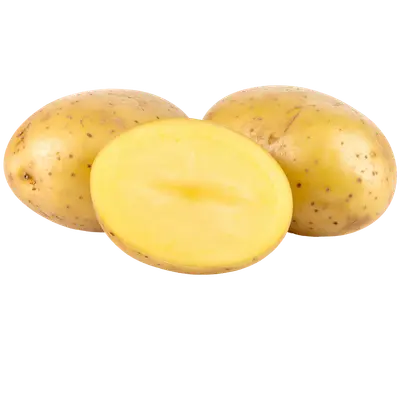
Is Potato with skin a trigger for histamine intolerance?
Potato with skin scores a 0 out of 3 on the SIGHI Food Compatibility List, placing it in the Safe category.
Potato with skin & Histamine, what the evidence says
Potatoes with the skin are generally considered a low-risk choice. The skin and the thin layer just beneath it contain higher concentrations of several naturally occurring compounds, including salicylates, oxalates, and glycoalkaloids such as solanine and chaconine. Glycoalkaloids are part of the potato's natural chemical defenses and are particularly concentrated in the skin, with levels in the peel typically several times higher than in the flesh.
For people managing more than histamine, the skin can therefore make a meaningful difference. Salicylate and oxalate content can vary by variety and by which part of the potato is eaten, so a potato with its skin provides a different exposure profile from the same potato after peeling.
Nightshade sensitivity matters here too, since potatoes belong to the nightshade family and their glycoalkaloids are concentrated in the skin. Some people in the low-histamine community report better tolerance when they remove the skin, although this observation has not been well established scientifically. From a histamine perspective, the difference is therefore not necessarily the potato itself, but the additional compounds concentrated in its skin.
Green areas on the skin are a separate concern. They usually indicate increased levels of glycoalkaloids, particularly solanine and chaconine. In high amounts, these compounds can cause food poisoning in anyone, regardless of whether they have histamine intolerance. Small green areas should be removed completely along with the surrounding skin, while potatoes that are extensively green, heavily sprouted, damaged, or strongly bitter are best discarded. This recommendation isn't specific to a low-histamine diet; it's part of general food safety.
Does preparation change the risk?
Skin on or off makes the biggest difference here. How you cook and store the potato matters too, and both affect glycoalkaloid and oxalate levels.
| Form | Risk Level | Notes |
|---|---|---|
| Boiled (peeled) | Low | Usually a well tolerated method; boiling may also help reduce residual oxalates |
| Baked with skin | Moderate | Concentrates salicylates and oxalates; higher glycoalkaloid content |
| Potato skins (fried) | High | Notable concentration of anti-nutrients and possible acrylamides |
| New potatoes (thin skin) | Moderate | Somewhat lower in alkaloids than mature, thicker-skinned varieties |
| Green / Sprouted skin (small patch) | Moderate | Cut away the green area with a generous margin; the rest of the potato is generally fine |
| Extensively green, sprouted, damaged, or bitter | High | High solanine levels; best discarded entirely, regardless of histamine sensitivity |
Note: Risk levels are based on clinical observations and patient reports, not standardized histamine measurements. Individual tolerance varies.
A food score is a reference, not a verdict.
Histamine intolerance is highly individual. A food that triggers symptoms in one person may be tolerated by another, even within the same category.
Strict elimination may help reduce symptoms initially, but long-term progress often depends on gradual reintroduction and pattern recognition. The goal is not to remove more foods over time, but to understand your personal tolerance and expand your diet when possible.
Tracking symptoms, portions, and context such as stress or timing can provide insights that generalized food lists cannot. This is where informed decisions replace fear-based restriction.
How to test your tolerance
 Peel deeper than you think.
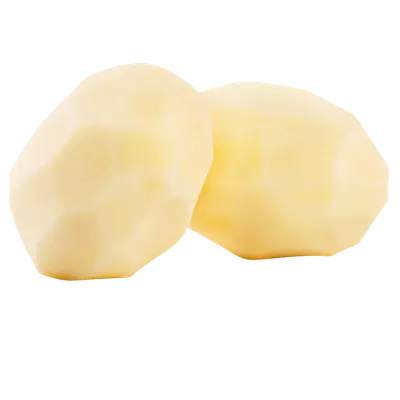
Most of the potato's natural protective compounds sit in the skin and just beneath it. Solanine and salicylate levels tend to drop closer to the center. A thicker peel removes more of these compounds than a thin one.
 Small green spots can be cut away; heavily green potatoes should be discarded.
A small green patch can usually be trimmed away with a generous margin, but a potato that's extensively green, heavily sprouted, damaged, or tastes bitter is best thrown out entirely, regardless of histamine tolerance.
 Organic doesn't always mean easier to tolerate.
Organic potatoes usually have fewer pesticide residues, but with fewer synthetic protections, plants often produce more of their own compounds, including glycoalkaloids. If you're sensitive to nightshades, the skin's natural compounds are still there either way.
 Pesticides are a separate issue.
Potatoes are consistently one of the vegetables with higher pesticide residue. If you're eating the skin, choosing organic mostly helps with that, not with salicylates or glycoalkaloids.
 Texture and digestion.
Skin fiber is insoluble and can be harder on a sensitive gut. If IBS or SIBO come with your histamine intolerance, the skin may be worth approaching carefully.
 Track it yourself.
Compare how you feel eating the skin versus a deeply peeled potato. Patterns tend to show up once you're logging them in MyHistaMap.
Common questions about Potato with skin and histamine
Is the skin of all potatoes the same?
No, potato varieties differ quite a bit. Red and purple skins have more anthocyanins, which are antioxidants, but they still carry meaningful salicylate and alkaloid levels compared to the peeled flesh.
Why does my skin itch after eating potato skins?
This is usually a salicylate or glycoalkaloid reaction rather than histamine. Potatoes contain little to no pre-formed histamine.
Can baking the potato neutralize the toxins?
Unfortunately, no. Solanine and most salicylates are heat-stable, so baking or frying the skin mostly changes the texture, not the chemistry.
Does potato skin help with fiber?
Yes, skin adds fiber and minerals. For someone with significant histamine intolerance or MCAS, that benefit can be outweighed by the extra compounds it also brings.
Do I need to throw out a potato with just one small green spot?
Not necessarily. A small green area can usually be cut away with a generous margin around it, and the rest of the potato is fine to eat. Potatoes that are extensively green, heavily sprouted, damaged, or taste bitter are the ones best discarded entirely.
Some people find these options helpful

Supplements are optional tools, not a solution. Personal tracking and identifying your individual triggers remains the priority.
Where this information comes from
At MyHistaMap we curate information from peer reviewed research and recognized medical sources. This guide is a reference tool, not a medical prescription. Always track your own reactions and consult your healthcare provider.
References
- Risk Assessment of Glycoalkaloids in Feed and Food, in Particular in Potatoes and Potato-Derived Products, EFSA Journal, 2020: concentrations of glycoalkaloids are 3 to 10 times greater in the peel than in the flesh, with considerable variation among potato cultivars and storage conditions. The source for this page's core claim about skin-versus-flesh glycoalkaloid concentration.
- Solanine and Chaconine, WHO Food Additives Series 30 (FAO/WHO Joint Expert Committee on Food Additives): describes how light exposure triggers both greening and glycoalkaloid accumulation together, and that glycoalkaloids concentrate in the skin, eyes, and sprouts far more than in the flesh.
- Glycoalkaloids in Potato Tubers, Oregon State University Extension Service: glycoalkaloids are heat-stable; boiling and microwaving have little effect on their levels, and only frying at very high temperatures reduces them meaningfully.
- Sprouting or Greening Potatoes... Keep or Toss?, Iowa State University Extension and Outreach: sprouted or green potatoes are not necessarily destined for the trash; small green spots and sprouts can be cut away safely if the potato is otherwise firm, while extensive sprouting, shriveling, or deep greening throughout the tuber warrants discarding it. The source for this page's nuanced guidance on removing versus discarding green potatoes.