This content is for informational purposes only and does not constitute medical advice. Always consult a qualified healthcare provider before making dietary changes. Histamine tolerance is highly individual.
This information applies to histamine intolerance, DAO deficiency, and MCAS only. If you have a confirmed food allergy, this content does not apply to you. Food allergies involve the immune system and can be life-threatening. Please consult your allergist.
Is Pickled gherkin a trigger for histamine intolerance?
Pickled gherkin scores a 2 out of 3 on the SIGHI Food Compatibility List, placing it in the Moderate category.
Pickled gherkin & Histamine, what the evidence says
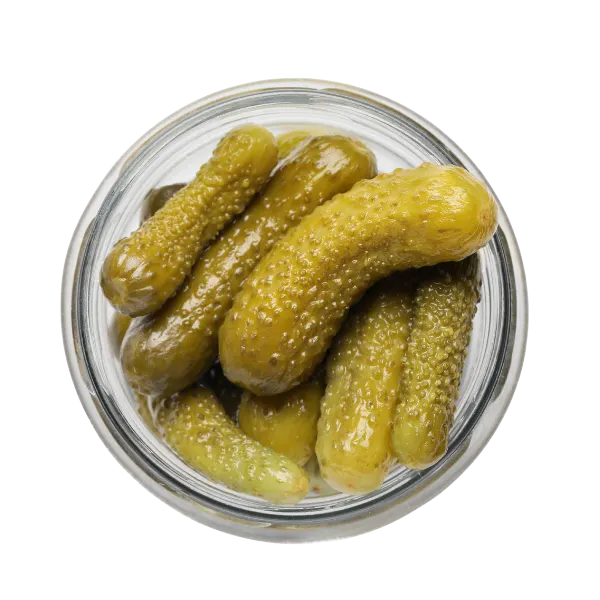
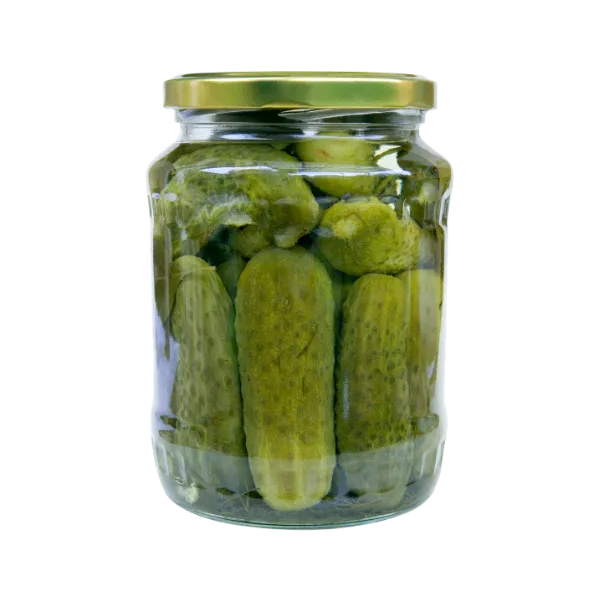
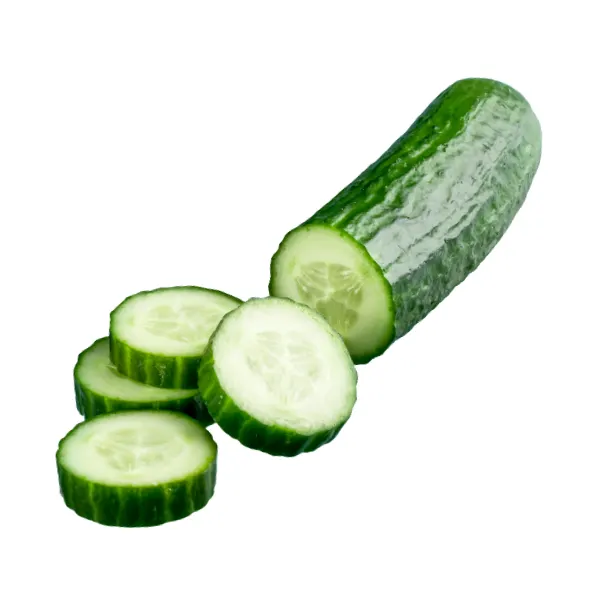
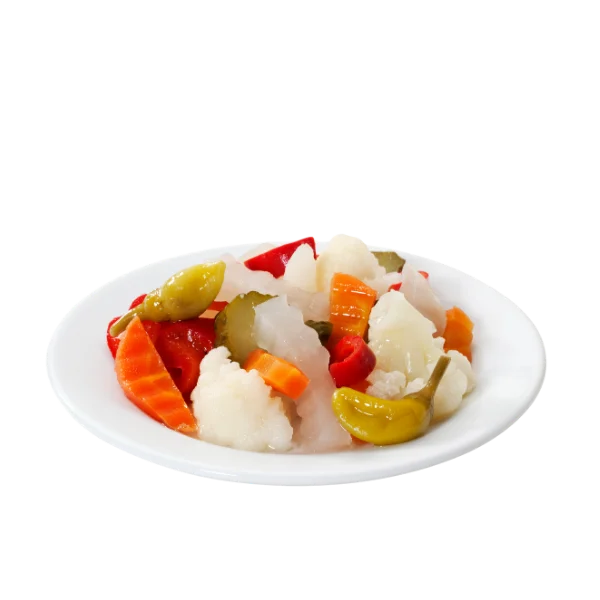
Pickled gherkins are associated with histamine concerns in histamine research. Gherkins are essentially a specific type of small cucumber, harvested young and typically used for pickling, so the underlying histamine picture is similar to that of pickled cucumber more broadly: the preservation process changes the food's profile compared with the fresh vegetable.
Most commercial gherkins are vinegar-pickled rather than lacto-fermented, meaning they're preserved with added acetic acid rather than through an extended bacterial fermentation period. The vinegar itself is produced through fermentation, but that does not necessarily mean vinegar-pickled gherkins contain the same biogenic amine profile as traditionally fermented pickles. Traditional barrel-fermented gherkins, by contrast, undergo genuine lactic acid fermentation in a salt brine, so the two preparation methods are worth tracking separately.
Does preparation change the risk?
Pickling method affects the degree of histamine consideration for gherkins.
| Form | Risk Level | Notes |
|---|---|---|
| Vinegar-pickled (most common) | Moderate | Not fermented itself, but made with vinegar, a fermented product |
| Sweet pickled (with added sugar) | Moderate | Same underlying pickling consideration; added sugar is a separate, non-histamine variable |
| Traditionally fermented | High | Less common commercially, but involves genuine lactic acid fermentation; research on commercially fermented cucumbers (the same species as gherkins) has measured biogenic amine levels exceeding standard safety thresholds |
Note: Risk levels are based on clinical observations and patient reports, not standardized histamine measurements. Individual tolerance varies.
A food score is a reference, not a verdict.
Histamine intolerance is highly individual. A food that triggers symptoms in one person may be tolerated by another, even within the same category.
Strict elimination may help reduce symptoms initially, but long-term progress often depends on gradual reintroduction and pattern recognition. The goal is not to remove more foods over time, but to understand your personal tolerance and expand your diet when possible.
Tracking symptoms, portions, and context such as stress or timing can provide insights that generalized food lists cannot. This is where informed decisions replace fear-based restriction.
How to test your tolerance
 Check the ingredient label.
Most commercial gherkins are vinegar-pickled. Look for added sugar, spices, or other ingredients that could be independent variables.
 Remember, it's just a young cucumber.
The histamine consideration comes from the pickling process, the same as with any pickled cucumber, not from something unique to the gherkin variety itself.
 Consider a smaller test amount.
Given the histamine consideration, a small trial portion is a reasonable way to gauge your personal response.
 Track your response.
Log the specific product using MyHistaMap, since brands and pickling methods vary.
Common questions about Pickled gherkin and histamine
Are pickled gherkins high in histamine?
They're associated with histamine concerns in histamine research, similar to other pickled vegetables.
What's the difference between a gherkin and a regular pickled cucumber?
Gherkins are simply a small, young cucumber variety typically used for pickling. The histamine consideration comes from the pickling process itself, not something unique to gherkins.
Are vinegar-pickled gherkins less risky than fermented ones?
They may carry somewhat less consideration since they skip the extended lactic acid fermentation period, but vinegar itself is a fermented product, so they're not histamine-free.
Should I worry about sweet pickled gherkins differently?
The added sugar in sweet pickles is a separate variable from the histamine consideration, which comes primarily from the pickling process itself.
Some people find these options helpful
Supplements are optional tools, not a solution. Personal tracking and identifying your individual triggers remains the priority.
Where this information comes from
At MyHistaMap we curate information from peer reviewed research and recognized medical sources. This guide is a reference tool, not a medical prescription. Always track your own reactions and consult your healthcare provider.
References
- SIGHI (Swiss Interest Group Histamine Intolerance) Food Compatibility List: lists pickled gherkin with a histamine value of 2, marked 'H' (rich in histamine), the same classification given to pickled cucumber. This is the source for the general histamine risk classification referenced on this page.
- Choińska et al., Microbiota and Quality Indexes of Commercial Sauerkraut and Fermented Cucumbers, Environmental Microbiology Reports, 2025: measured biogenic amine levels in commercial fermented cucumber samples that exceeded estimated upper toxicity limits, and found a significant correlation between specific lactic acid bacteria and histamine/cadaverine content. Since gherkins are the same species as cucumber, this is the source for the traditionally fermented risk level referenced on this page.
- Vinegar, ScienceDirect Topics (academic reference overview): describes how vinegar production begins with yeast fermentation of sugars into ethanol, followed by acetic acid bacteria (Acetobacter) oxidizing that ethanol into acetic acid. This is the source for the claim that vinegar itself is a fermented product, referenced on this page.