This content is for informational purposes only and does not constitute medical advice. Always consult a qualified healthcare provider before making dietary changes. Histamine tolerance is highly individual.
This information applies to histamine intolerance, DAO deficiency, and MCAS only. If you have a confirmed food allergy, this content does not apply to you. Food allergies involve the immune system and can be life-threatening. Please consult your allergist.
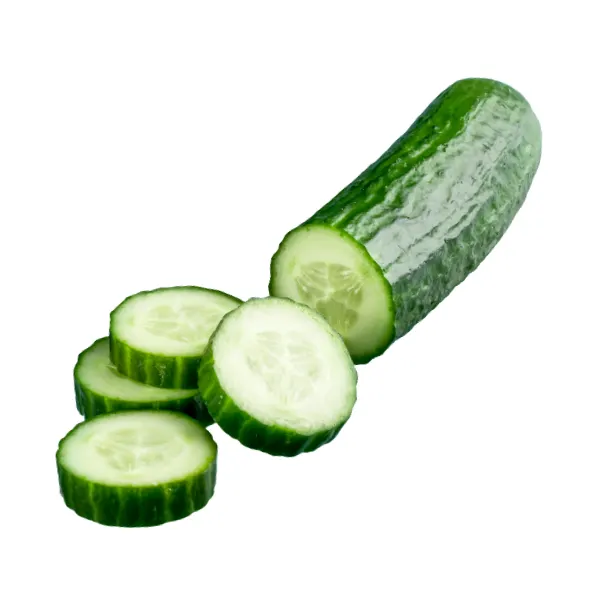
Is Cucumber a trigger for histamine intolerance?
Cucumber scores a 0 out of 3 on the SIGHI Food Compatibility List, placing it in the Safe category.
Cucumber & Histamine, what the evidence says
Cucumber is not associated with meaningful histamine content. Separately, cucumber is listed as moderate in both salicylates and lectins, plant compounds unrelated to histamine that some people track separately, so being histamine-friendly doesn't mean it's free of every other consideration.
Occasionally, a cucumber or part of one tastes noticeably bitter. This comes from cucurbitacins, compounds cucumber plants produce as a natural defense mechanism, particularly under environmental stress such as heat, drought, or inconsistent watering. Cucurbitacins tend to be more concentrated near the stem end and just under the skin. This bitterness is a plant defense response rather than a histamine-related issue, and peeling the cucumber or removing the stem end can reduce the bitterness. Exceptionally bitter cucumbers, however, should not be eaten in large amounts because unusually high cucurbitacin levels can cause digestive symptoms.
Does preparation change the risk?
Cucumber's histamine profile is consistent across preparation methods, though bitterness and freshness are separate considerations.
| Form | Risk Level | Notes |
|---|---|---|
| Fresh, whole, normal taste | Low | Not associated with meaningful histamine content |
| Peeled | Low | May reduce occasional bitterness from cucurbitacins, which concentrate near the skin |
| Noticeably or exceptionally bitter | High | Unrelated to histamine; unusually high cucurbitacin levels can cause digestive symptoms and the fruit should be discarded |
| Pickled | Moderate | Fermentation and vinegar preparation change the histamine consideration significantly; treat separately from fresh cucumber |
Note: Risk levels are based on clinical observations and patient reports, not standardized histamine measurements. Individual tolerance varies.
A food score is a reference, not a verdict.
Histamine intolerance is highly individual. A food that triggers symptoms in one person may be tolerated by another, even within the same category.
Strict elimination may help reduce symptoms initially, but long-term progress often depends on gradual reintroduction and pattern recognition. The goal is not to remove more foods over time, but to understand your personal tolerance and expand your diet when possible.
Tracking symptoms, portions, and context such as stress or timing can provide insights that generalized food lists cannot. This is where informed decisions replace fear-based restriction.
How to test your tolerance
 Taste before you commit.
If a cucumber tastes distinctly bitter beyond a mild note, don't eat the rest, especially in large amounts. This is unrelated to histamine but can cause digestive symptoms on its own.
 Trim the stem end if mildly bitter.
Cucurbitacins concentrate near the stem end and just under the skin. Trimming or peeling can reduce mild bitterness, though it isn't a guarantee.
 Treat pickled cucumber separately.
Fermentation and vinegar preparation change the histamine consideration significantly compared to fresh cucumber.
 Bitterness reflects plant stress, not histamine.
Heat, drought, or inconsistent watering during growth can increase cucurbitacin production, making some cucumbers taste more bitter than others from the same batch.
 Track your response if trying it new.
Even well-tolerated vegetables are worth a brief note in MyHistaMap when first introduced.
Common questions about Cucumber and histamine
Is cucumber high in histamine?
No. Cucumber is not associated with meaningful histamine content, though it's listed as moderate in salicylates and lectins, separate considerations from histamine.
Why does my cucumber sometimes taste bitter?
This comes from cucurbitacins, compounds the plant produces more of under environmental stress such as heat or inconsistent watering. It's a natural plant defense response, not a histamine concern.
Does peeling cucumber help with bitterness?
It can. Cucurbitacins concentrate more heavily near the stem end and just under the skin, so trimming or peeling may reduce the bitter taste, though it isn't guaranteed to remove it entirely.
Is it a problem to eat a bitter cucumber?
A mildly bitter cucumber is generally still fine. But exceptionally bitter cucumbers should not be eaten, since unusually high cucurbitacin levels can cause digestive symptoms like nausea and stomach upset.
Is pickled cucumber the same as fresh for histamine purposes?
No, fermentation and vinegar preparation change the histamine profile significantly. Pickled cucumber should be considered separately from fresh.
Some people find these options helpful

Supplements are optional tools, not a solution. Personal tracking and identifying your individual triggers remains the priority.
Where this information comes from
At MyHistaMap we curate information from peer reviewed research and recognized medical sources. This guide is a reference tool, not a medical prescription. Always track your own reactions and consult your healthcare provider.
References
- Why Are Some of My Cucumbers Bitter?, Iowa State University Extension: confirms cucurbitacins are concentrated at the fruit's stem end and just under the skin, spread from the plant's vegetative parts under stress from hot, dry conditions, and that cutting off the stem end and peeling can reduce bitterness. The source for this page's cucurbitacin mechanism section.
- Toxic Squash Syndrome: If It's Bitter, It's Not Dinner, Poison Control: describes gastrointestinal symptoms, including diarrhea, nausea, vomiting, and abdominal pain, from eating cucurbits with high cucurbitacin levels, and recommends discarding any bitter-tasting cucumber, squash, or zucchini. The source for this page's note on digestive symptoms from highly bitter cucumbers.
- Food Poisoning by Cucurbitacins, case report: documents a real case of gastrointestinal poisoning, including colitis, following ingestion of bitter, cucurbitacin-containing produce. The source for this page's note that this is a genuine, documented phenomenon.