This content is for informational purposes only and does not constitute medical advice. Always consult a qualified healthcare provider before making dietary changes. Histamine tolerance is highly individual.
This information applies to histamine intolerance, DAO deficiency, and MCAS only. If you have a confirmed food allergy, this content does not apply to you. Food allergies involve the immune system and can be life-threatening. Please consult your allergist.
Is Pumpkin seeds a trigger for histamine intolerance?
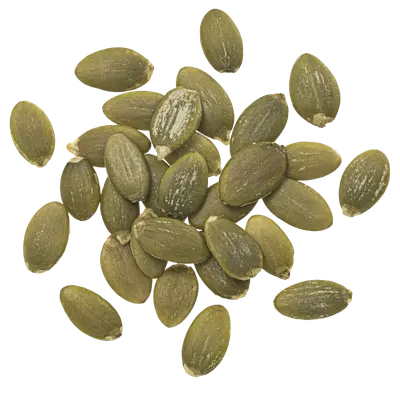
Pumpkin seeds scores a 0 out of 3 on the SIGHI Food Compatibility List, placing it in the Safe category.
Pumpkin seeds & Histamine, what the evidence says
Pumpkin seeds are a nutrient-dense food, particularly notable for their magnesium and zinc content. Copper is the primary structurally established cofactor for the DAO enzyme, while vitamin B6 and vitamin C are involved in other aspects of histamine metabolism. Magnesium and zinc are better considered supportive nutrients rather than direct drivers of DAO activity, although some research, largely in animal studies, suggests that magnesium may also have a role in this area.
Pumpkin seeds are not associated with meaningful histamine content or a histamine-liberator effect. They also contain a notable amount of spermidine, a naturally occurring polyamine that belongs to the broader family of biogenic amines and can be metabolized through pathways that include diamine oxidase. Its presence, however, does not appear to make pumpkin seeds poorly tolerated at typical serving sizes.
They do contain measurable salicylates, although the amount reported in published food analyses is relatively small by serving size. One study measured 17.58 mg/kg, equivalent to about 0.53 mg in a 30 g serving. Salicylate food lists classify pumpkin seeds differently depending on the database and thresholds used, so their practical relevance is best treated as an individual variable rather than assuming they are universally high or low.
Pumpkin seeds also contain measurable amounts of oxalates, but published values generally fall well below those reported for several nuts commonly considered high in oxalates. They therefore represent a relatively modest dietary source of oxalates rather than a major one.
Does preparation change the risk?
Most standard forms of pumpkin seeds are well tolerated. The main consideration comes from commercial products with hidden additives or oxidized (rancid) oils from poor storage.
| Form | Risk Level | Notes |
|---|---|---|
| Raw (green pepitas) | Low | Highest nutrient density; generally well tolerated and neutral |
| Dry roasted (unsalted) | Low | Stable and generally easy to digest |
| Pumpkin seed oil | Low | Good for dressings; high in Vitamin E and generally well tolerated |
| Sprouted seeds | Low | May improve the bioavailability of magnesium and zinc |
| Commercial salted / Fried | Moderate | Mainly a concern if they contain hidden additives or rancid oils |
Note: Risk levels are based on clinical observations and patient reports, not standardized histamine measurements. Individual tolerance varies.
A food score is a reference, not a verdict.
Histamine intolerance is highly individual. A food that triggers symptoms in one person may be tolerated by another, even within the same category.
Strict elimination may help reduce symptoms initially, but long-term progress often depends on gradual reintroduction and pattern recognition. The goal is not to remove more foods over time, but to understand your personal tolerance and expand your diet when possible.
Tracking symptoms, portions, and context such as stress or timing can provide insights that generalized food lists cannot. This is where informed decisions replace fear-based restriction.
How to test your tolerance
 A supporting mineral source.
Pumpkin seeds are one of nature's good sources of magnesium. While copper is the DAO enzyme's main established cofactor, magnesium and zinc are generally considered helpful supporting nutrients for overall histamine metabolism.
 The gentler nut alternative.
If you miss the crunch of walnuts or cashews, which tend to be higher-risk foods, pumpkin seeds are often a gentler replacement. Try them in salads, breads, or as a standalone snack.
 Freshness matters.
Buying raw seeds and storing them in the refrigerator is generally a good idea. Oxidized (rancid) fats can be irritating for some people, so keeping seeds fresh is a reasonable habit in a low-histamine lifestyle.
 Salicylates and oxalates are modest here.
Pumpkin seeds contain measurable but relatively small amounts of both salicylates and oxalates compared to several other nuts, worth knowing if you're tracking either alongside histamine.
 Tracking protocol.
Track your response carefully. Note how you feel when substituting common nuts for these seeds. Look for patterns in your energy levels and digestive comfort using MyHistaMap.
Common questions about Pumpkin seeds and histamine
Do pumpkin seeds cause a liberator effect?
Not that we know of. Pumpkin seeds don't appear to trigger the body's own release of histamine from mast cells, unlike walnuts or cashews, which are more commonly reported triggers.
Why is magnesium sometimes mentioned for this diet?
Magnesium is generally considered a helpful, supporting nutrient for overall histamine metabolism. That said, copper is the DAO enzyme's main established cofactor, so magnesium works alongside other nutrients rather than being the primary driver of DAO activity.
Are pumpkin seeds high in salicylates or oxalates?
Measurements place both at relatively modest levels compared to several nuts commonly considered high in either. Salicylate food lists do classify pumpkin seeds differently depending on their thresholds, so individual tolerance is worth tracking.
Is the white shell safe for sensitive individuals?
The inner green kernel (pepita) is generally preferred. The outer white shell is quite high in insoluble fiber, which can be harder on an inflamed gut or for those with SIBO.
Some people find these options helpful

Supplements are optional tools, not a solution. Personal tracking and identifying your individual triggers remains the priority.
Where this information comes from
At MyHistaMap we curate information from peer reviewed research and recognized medical sources. This guide is a reference tool, not a medical prescription. Always track your own reactions and consult your healthcare provider.
References
- McGrath AP, Hilmer KM, Collyer CA, Dooley DM, Guss JM, A new crystal form of human diamine oxidase, Acta Crystallographica Section F, 2010: confirms copper as a structural component of the DAO active site, alongside a protein-derived TPQ cofactor. The source for this page's framing of copper as DAO's primary, structurally established cofactor.
- Evaluation of Serum Diamine Oxidase as a Diagnostic Test for Histamine Intolerance, PMC: notes that DAO metabolizes other biogenic amines, including the polyamines spermine and spermidine, for which it has an even greater affinity than for histamine, and that these compounds can affect DAO activity. This is the source for the spermidine and DAO framing referenced on this page.
- Malakar, Gibson, Barrett & Muir, Naturally Occurring Dietary Salicylates: A Closer Look at Common Australian Foods, Journal of Food Composition and Analysis, 2017: measured pumpkin seeds at 17.58 mg/kg of salicylic acid equivalents using gas chromatography-mass spectrometry, equivalent to roughly 0.53 mg in a 30 g serving. This is the source for the specific salicylate figure referenced on this page, and for the note that different food lists classify this same measurement into different risk categories depending on their thresholds.
- St. Joseph's Healthcare, Oxalate in Food (patient education resource based on Harvard oxalate data): lists pumpkin seeds at 17 mg of oxalate per cup, compared with 122 mg for almonds and 49 mg for cashews. This is the source for the comparison to higher-oxalate nuts referenced on this page.