This content is for informational purposes only and does not constitute medical advice. Always consult a qualified healthcare provider before making dietary changes. Histamine tolerance is highly individual.
This information applies to histamine intolerance, DAO deficiency, and MCAS only. If you have a confirmed food allergy, this content does not apply to you. Food allergies involve the immune system and can be life-threatening. Please consult your allergist.
Is Quinoa a trigger for histamine intolerance?
Quinoa scores a 0 out of 3 on the SIGHI Food Compatibility List, placing it in the Safe category.
Quinoa & Histamine, what the evidence says
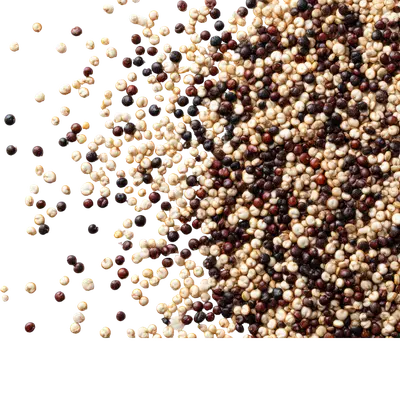
Quinoa is generally considered low-risk from a histamine standpoint, although SIGHI notes that it may not always be well tolerated without specifying why. It provides complete protein and is naturally gluten-free, making it a useful alternative to grains such as wheat. Its fiber content also contributes to overall digestive health, although any connection between quinoa, the gut microbiome, and histamine tolerance remains indirect and isn't specific to quinoa.
Quinoa also contains oxalates and saponins, two naturally occurring plant compounds that can be relevant for people with broader food sensitivities. Most of the saponins are concentrated in the outer coating of the seed, which is why commercial quinoa is usually pre-washed or processed to remove much of them. Rinsing quinoa thoroughly before cooking can further reduce the remaining saponins. Oxalate levels vary by variety, so quinoa is better treated as an individual variable if you're also tracking oxalate sensitivity.
Does preparation change the risk?
Most standard forms of quinoa are generally well tolerated, provided saponins are removed through thorough rinsing. Pre-cooked or canned versions are the main form to approach with more caution due to potential additives.
| Form | Risk Level | Notes |
|---|---|---|
| White quinoa (rinsed) | Low | Easiest to digest; lowest saponin impact |
| Red / Black quinoa | Low | Higher in antioxidants; slightly higher oxalate density |
| Quinoa flour | Low | Good for baking; worth checking for 100% purity |
| Quinoa flakes | Low | Fast-cooking; worth verifying no cross-contamination with oats |
| Pre-cooked / Canned | High | Often contains additives or less favorable oils |
Note: Risk levels are based on clinical observations and patient reports, not standardized histamine measurements. Individual tolerance varies.
A food score is a reference, not a verdict.
Histamine intolerance is highly individual. A food that triggers symptoms in one person may be tolerated by another, even within the same category.
Strict elimination may help reduce symptoms initially, but long-term progress often depends on gradual reintroduction and pattern recognition. The goal is not to remove more foods over time, but to understand your personal tolerance and expand your diet when possible.
Tracking symptoms, portions, and context such as stress or timing can provide insights that generalized food lists cannot. This is where informed decisions replace fear-based restriction.
How to test your tolerance
 The saponin rinse.
Rinsing quinoa under cold water until the foam disappears is generally a good idea. This removes saponins, which can cause gut irritation that may feel similar to a histamine flare.
 Oxalate management.
Since quinoa contains oxalates, pairing it with calcium-rich foods, like broccoli or kale, may help bind oxalates in the gut and reduce absorption.
 Safe batch cooking.
Boiling quinoa in plenty of water and draining it well works well. Freezing portions is a convenient way to have a ready-to-eat, generally low-risk base without the extras found in processed convenience bags.
 Rotating your grains.
Rotating quinoa with rice or millet may help avoid over-reliance on any single plant compound, keeping your overall diet a bit more varied.
 Tracking protocol.
Monitor your joint comfort and digestion. If oxalates are a trigger for you, note the portion size that feels comfortable. Use MyHistaMap for precise tracking.
Common questions about Quinoa and histamine
Is quinoa safer than rice?
Both are generally low-risk. Quinoa offers more magnesium and zinc, but it contains oxalates, which may make rice a better choice for those with kidney or joint sensitivity.
Does quinoa contain gluten?
No, quinoa is naturally gluten-free, which some people find helpful if gluten is a separate trigger for them.
Can I use quinoa milk?
For many people, yes, especially if it's additive-free. Brands with carrageenan or gums are worth approaching with more caution, since these can be triggers for some people even if the quinoa base itself is fine.
How does quinoa affect the DAO enzyme?
Quinoa doesn't appear to inhibit DAO. Its mineral content, including magnesium and zinc, is generally seen as supportive of overall histamine metabolism, alongside copper, which is the enzyme's main established cofactor, provided saponins are removed to reduce gut irritation.
Some people find these options helpful

Supplements are optional tools, not a solution. Personal tracking and identifying your individual triggers remains the priority.
Where this information comes from
At MyHistaMap we curate information from peer reviewed research and recognized medical sources. This guide is a reference tool, not a medical prescription. Always track your own reactions and consult your healthcare provider.
References
- SIGHI (Swiss Interest Group Histamine Intolerance) Food Compatibility List: lists quinoa with a histamine value of 0, with the added remark 'Possibly not always well tolerated?' This is the source for quinoa's low-histamine classification and the tolerance caveat referenced on this page.
- Enhancing the Washing of Harvested Quinoa Seeds with Ultrasound-Assisted Hydration: finds that over 86% of quinoa saponins are concentrated in the seed pericarp (outer coating), and that soaking or washing significantly reduces saponin content, with most of the reduction occurring in the first 30 minutes. This is the source for the saponin location and rinsing guidance referenced on this page.
- Unveiling the Nutritional Spectrum: A Comprehensive Analysis of Protein Quality and Antinutritional Factors in Three Varieties of Quinoa: measured oxalate content ranging from 396.9 to 715.2 mg/100g across black, yellow, and red quinoa varieties, showing meaningful variation by cultivar. This is the source for the variety-dependent oxalate content referenced on this page.