This content is for informational purposes only and does not constitute medical advice. Always consult a qualified healthcare provider before making dietary changes. Histamine tolerance is highly individual.
This information applies to histamine intolerance, DAO deficiency, and MCAS only. If you have a confirmed food allergy, this content does not apply to you. Food allergies involve the immune system and can be life-threatening. Please consult your allergist.
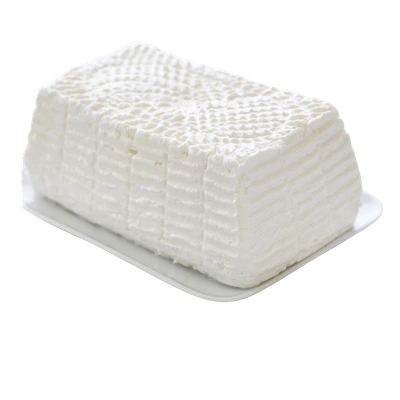
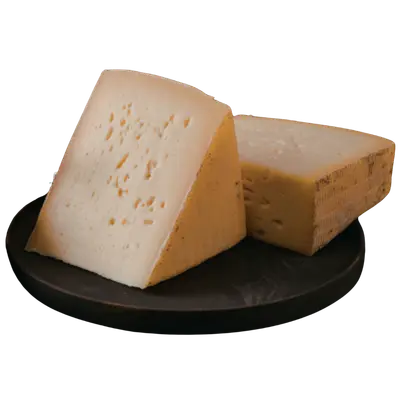
Is Raw milk cheese a trigger for histamine intolerance?
Raw milk cheese scores a 2 out of 3 on the SIGHI Food Compatibility List, placing it in the Moderate category.
Raw milk cheese & Histamine, what the evidence says
Raw milk cheese can vary considerably in its histamine profile, particularly depending on whether it is fresh or aged. Because it skips pasteurization, it retains a natural microbial flora that can be more diverse than that of pasteurized milk. In a fresh, unaged cheese, however, the lack of heat treatment doesn't necessarily mean high histamine, since the bacteria may not have had enough time or the right conditions for significant amino acid decarboxylation.
That said, the microbial activity of raw dairy can be fairly variable. The indigenous bacteria can be more diverse than commercial starter cultures, meaning that maturation may lead to the accumulation of histamine and tyramine depending on the microorganisms present, processing conditions, and storage time. As the cheese ages, its overall amine load can therefore increase, making the specific variety and age important factors when considering its histamine profile.
Raw milk itself is a separate food-safety concern. Unlike pasteurized milk, it has not undergone a heat treatment designed to eliminate pathogenic bacteria, so it can carry organisms that cause serious foodborne illness. A low histamine profile does not make raw milk microbiologically safe, and "unprocessed" or "natural" should not automatically be interpreted as safer or healthier.
Does preparation change the risk?
Aging duration is one of the most important variables for raw milk cheese tolerance. Fresh and unaged forms tend to be the gentlest, while any maturation introduces a rapidly increasing histamine risk.
| Form | Risk Level | Notes |
|---|---|---|
| Fresh / Unaged | Low | Minimal amine accumulation; generally the gentlest way to consume raw dairy |
| Semi-hard (young) | Moderate | Short maturation, under 4 weeks, allows for some baseline amine buildup |
| Aged raw (hard) | High | Longer maturation with wild flora tends to lead to higher, less predictable amine levels |
| Artisanal rind | High | A common site for mold growth and higher-concentration histamine |
Note: Risk levels are based on clinical observations and patient reports, not standardized histamine measurements. Individual tolerance varies. This table reflects histamine risk only, not the food-safety risk of raw milk products discussed above.
A food score is a reference, not a verdict.
Histamine intolerance is highly individual. A food that triggers symptoms in one person may be tolerated by another, even within the same category.
Strict elimination may help reduce symptoms initially, but long-term progress often depends on gradual reintroduction and pattern recognition. The goal is not to remove more foods over time, but to understand your personal tolerance and expand your diet when possible.
Tracking symptoms, portions, and context such as stress or timing can provide insights that generalized food lists cannot. This is where informed decisions replace fear-based restriction.
How to test your tolerance
 Source selection.
Prioritizing local producers with high hygiene standards and transparent production dates is generally a good idea.
 Aging limitation.
Raw cheeses labeled as aged, extra sharp, or reserve are generally best avoided during sensitive periods.
 Rind removal.
Discarding the outer layer of raw cheese is generally worthwhile, since it tends to carry the highest concentration of microbial metabolites.
 Temperature control.
Transporting and storing raw cheese under consistent refrigeration is important, since temperature spikes can trigger increased bacterial activity.
 Know the separate food-safety risk.
Raw milk products can carry harmful bacteria like Salmonella, E. coli, and Listeria, regardless of their histamine level. Pregnant people, young children, older adults, and anyone immunocompromised face higher risk from raw dairy.
 Tracking protocol.
Use MyHistaMap to monitor how your tolerance shifts between different animal sources, such as cow versus goat.
Common questions about Raw milk cheese and histamine
Why is raw milk cheese considered moderate-risk in its fresh state?
This reflects the fresh, unaged state of the product, where the natural bacteria haven't yet had the time or conditions to produce significant histamine.
Does raw milk cheese contain probiotics?
Yes, it contains natural bacteria, but for those with histamine intolerance, these wild strains can be less predictable and are often behind the biogenic amines that build up as the cheese ages.
Can cooking raw milk cheese help?
Cooking can reduce active bacteria, but it doesn't break down the histamine already present in the cheese, since biogenic amines are heat-stable.
Is raw milk cheese safe just because it's low in histamine?
No. Histamine content and food safety are separate issues. Raw milk products can carry harmful bacteria like Salmonella, E. coli, and Listeria, which pasteurization is specifically designed to eliminate. A low histamine profile doesn't address this risk.
Some people find these options helpful

Supplements are optional tools, not a solution. Personal tracking and identifying your individual triggers remains the priority.
Where this information comes from
At MyHistaMap we curate information from peer reviewed research and recognized medical sources. This guide is a reference tool, not a medical prescription. Always track your own reactions and consult your healthcare provider.
References
- A Comprehensive Review on the Biogenic Amines in Cheeses: Their Origin, Chemical Characteristics, Hazard and Reduction Strategies, Foods (MDPI), 2024: notes that raw milk cheeses can carry autochthonous bacteria with decarboxylase activity, contributing to biogenic amine production and accumulation, and that traditional cheeses made with raw milk might have, on average, a higher biogenic amine content than pasteurized milk-based products. This is the source for the wild bacteria and amine accumulation mechanism referenced on this page.
- Influence of Pasteurised Milk, Raw Milk and Different Ripening Cultures on Biogenic Amine Concentrations in Semi-Soft Cheeses During Ripening, European Food Research and Technology: found that the highest histamine concentration measured (573 mg/kg) occurred in a raw milk cheese, and that biogenic amine levels increased markedly with ripening time. This is the source for the aging-related histamine increase referenced on this page.
- FDA, The Dangers of Raw Milk: Unpasteurized Milk Can Pose a Serious Health Risk: confirms that raw milk can carry dangerous pathogens including Salmonella, E. coli, Listeria, and Campylobacter, and cites CDC data on 202 raw-milk-linked outbreaks between 1998 and 2018, causing 2,645 illnesses and 228 hospitalizations. This is the source for the food-safety information referenced on this page, separate from histamine considerations.