This content is for informational purposes only and does not constitute medical advice. Always consult a qualified healthcare provider before making dietary changes. Histamine tolerance is highly individual.
This information applies to histamine intolerance, DAO deficiency, and MCAS only. If you have a confirmed food allergy, this content does not apply to you. Food allergies involve the immune system and can be life-threatening. Please consult your allergist.
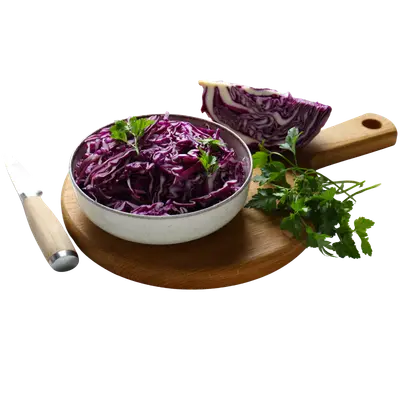
Is Red cabbage a trigger for histamine intolerance?
Red cabbage scores a 0 out of 3 on the SIGHI Food Compatibility List, placing it in the Safe category.
Red cabbage & Histamine, what the evidence says
Red cabbage is generally considered low in histamine and isn't commonly associated with a histamine-liberator effect. Its deep purple color comes from anthocyanins, a group of flavonoid pigments with antioxidant properties that have been studied for their potential effects on inflammation and cellular oxidative stress. Red cabbage generally contains more anthocyanins than green or white cabbage, making it particularly interesting from a nutritional standpoint.
Red cabbage also provides vitamin C, vitamin K, and fiber. It does contain measurable salicylates, although the amounts reported can vary between food databases and varieties. For people who are also tracking salicylate sensitivity, portion size may therefore be worth considering even though the vegetable itself is generally low in histamine.
Does preparation change the risk?
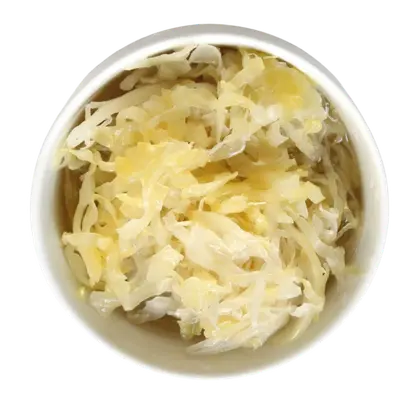
Fresh, cooked, and frozen forms of red cabbage are all generally well tolerated. The main form to approach with more caution is fermented: once red cabbage is fermented into sauerkraut, it becomes a notably higher histamine food.
| Form | Risk Level | Notes |
|---|---|---|
| Raw (shredded) | Low | Highest Vitamin C and anthocyanin content |
| Boiled / Steamed | Low | Generally easiest to digest; breaks down complex fibers |
| Fermented (sauerkraut) | High | Notably higher in histamine once fermented |
| Frozen | Low | Retains nutrients well; generally fine for long-term storage |
| Juiced | Low | A concentrated way to consume it; best used in small amounts |
Note: Risk levels are based on clinical observations and patient reports, not standardized histamine measurements. Individual tolerance varies.
A food score is a reference, not a verdict.
Histamine intolerance is highly individual. A food that triggers symptoms in one person may be tolerated by another, even within the same category.
Strict elimination may help reduce symptoms initially, but long-term progress often depends on gradual reintroduction and pattern recognition. The goal is not to remove more foods over time, but to understand your personal tolerance and expand your diet when possible.
Tracking symptoms, portions, and context such as stress or timing can provide insights that generalized food lists cannot. This is where informed decisions replace fear-based restriction.
How to test your tolerance
 Anthocyanins give red cabbage its color.
Darker heads tend to contain more anthocyanins, antioxidant pigments studied for their effects on inflammation and oxidative stress. Choosing vibrant, firm heads is a reasonable quality marker.
 Fermentation changes things.
While fresh red cabbage is generally low in histamine, once it's fermented into red sauerkraut, it becomes notably higher in histamine. Sticking to fresh, cooked, or frozen forms is generally the gentler choice.
- Digestive softening.
If you have a sensitive gut, steaming the cabbage instead of eating it raw may help. A pinch of caraway seeds or ginger can also help with the sulfur compounds that sometimes cause bloating.
 Vitamin C synergy.
Red cabbage is quite high in Vitamin C, one of the established cofactors in histamine metabolism. Avoiding overcooking helps preserve more of this heat-sensitive vitamin.
 Tracking protocol.
Red cabbage is generally low in histamine, but it does contain measurable salicylates. Use MyHistaMap to find your personal comfort zone for portion size if you're also tracking salicylate sensitivity.
Common questions about Red cabbage and histamine
Is red cabbage safer than white cabbage?
Both are generally low in histamine. Red cabbage tends to offer a richer antioxidant profile, including anthocyanins and higher Vitamin C content.
Does red cabbage contain histamine?
Not really. Fresh red cabbage contains little to no biogenic amines. It mainly becomes higher in histamine if it's fermented or stored too long after being sliced.
How much salicylate does red cabbage contain?
Published figures vary by database and variety, so there's no single reliable number here. If you're tracking salicylate sensitivity separately from histamine, treat red cabbage as an individual variable and adjust portion size based on your own response.
Can red cabbage cause a pseudo-allergic reaction?
Mostly only in those with fairly high salicylate sensitivity. For most people managing histamine intolerance, it's generally considered one of the gentler vegetables.
Some people find these options helpful
Supplements are optional tools, not a solution. Personal tracking and identifying your individual triggers remains the priority.
Where this information comes from
At MyHistaMap we curate information from peer reviewed research and recognized medical sources. This guide is a reference tool, not a medical prescription. Always track your own reactions and consult your healthcare provider.
References
- SIGHI (Swiss Interest Group Histamine Intolerance) Food Compatibility List: lists cabbage varieties, except Brussels sprouts and kohlrabi, with a histamine value of 0, without a liberator marking. This is the source for red cabbage's low-histamine classification referenced on this page.
- Anthocyanidin Inhibits Immunoglobulin E-Mediated Allergic Response in Mast Cells: found that anthocyanidin suppressed mast cell degranulation and reduced histamine release in an animal and cell-based model. This is cell and animal research, not a human clinical trial specific to red cabbage, and is the source for the anthocyanin research referenced on this page.
- Maintz & Novak, Histamine and Histamine Intolerance, American Journal of Clinical Nutrition, 2007: identifies vitamin C as one of the cofactors implicated in DAO-mediated histamine degradation. This is the source for the vitamin C and histamine metabolism claim referenced on this page.