This content is for informational purposes only and does not constitute medical advice. Always consult a qualified healthcare provider before making dietary changes. Histamine tolerance is highly individual.
This information applies to histamine intolerance, DAO deficiency, and MCAS only. If you have a confirmed food allergy, this content does not apply to you. Food allergies involve the immune system and can be life-threatening. Please consult your allergist.
Is Radishes, hot varieties a trigger for histamine intolerance?
Radishes, hot varieties scores a 1 out of 3 on the SIGHI Food Compatibility List, placing it in the Low category.
Radishes, hot varieties & Histamine, what the evidence says
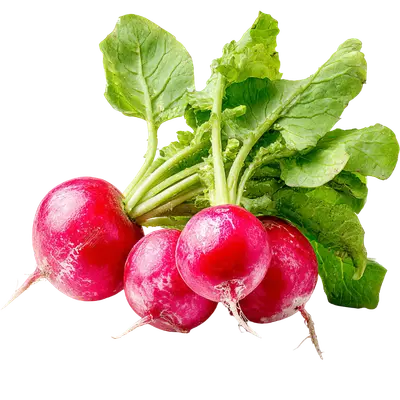
Hot, pungent radish varieties, most commonly the small red radish familiar from grocery stores, but also including black radish and other sharp-tasting types, are noted on some reference lists with a mild histamine caution, distinct from milder varieties like daikon, which are rated more favorably. Radishes overall aren't commonly associated with meaningful amounts of pre-formed histamine, and hot varieties aren't listed as histamine liberators either.
Radishes also contain glucosinolates, sulfur-containing compounds that break down into isothiocyanates, the pungent compounds responsible for their bite. Hot varieties contain more of these compounds than mild ones, which is part of what makes them taste sharper. Radishes also contain measurable salicylates, which may be worth considering separately if you're tracking salicylate sensitivity.
Does preparation change the risk?
The form and preparation method can meaningfully influence how hot radish varieties are tolerated. Pickling is the main form to approach with more caution, since fermentation tends to raise histamine levels.
| Form | Risk Level | Notes |
|---|---|---|
| Raw, hot variety | Low | The standard, generally low-risk form; best for Vitamin C content |
| Cooked / Roasted | Low | Reduces the pungent isothiocyanates, making it gentler on the stomach |
| Pickled radish | High | Fermentation tends to raise histamine levels, similar to other pickled vegetables |
| Radish sprouts | Moderate | Concentrated glucosinolates and isothiocyanates; can be more taxing on a sensitive gut |
Note: Risk levels are based on clinical observations and patient reports, not standardized histamine measurements. Individual tolerance varies.
A food score is a reference, not a verdict.
Histamine intolerance is highly individual. A food that triggers symptoms in one person may be tolerated by another, even within the same category.
Strict elimination may help reduce symptoms initially, but long-term progress often depends on gradual reintroduction and pattern recognition. The goal is not to remove more foods over time, but to understand your personal tolerance and expand your diet when possible.
Tracking symptoms, portions, and context such as stress or timing can provide insights that generalized food lists cannot. This is where informed decisions replace fear-based restriction.
How to test your tolerance
 The salicylate peel.
If you suspect salicylate sensitivity, peeling the skin off the radish can meaningfully reduce the chemical load, though you'll lose some antioxidants.
 Cold water soak.
Slicing radishes and soaking them in ice-cold water for about 10 minutes can reduce the pungency, making them more comfortable for a sensitive digestive tract.
 Avoid pre-cut bags.
Radishes tend to lose freshness and Vitamin C content fairly quickly once sliced, so buying them whole with the green tops attached, when possible, can be a good freshness indicator.
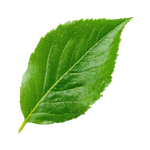 The spicy threshold.
Hotter radish varieties tend to have a higher concentration of sulfur compounds than milder types like daikon. If you're in a flare, milder varieties may be a gentler choice.
 Tracking protocol.
Track your response carefully. Note the quantity and whether you experienced any skin or digestive heat. Look for patterns across multiple trials using MyHistaMap.
Common questions about Radishes, hot varieties and histamine
Are hot radish varieties low FODMAP?
Generally, yes. Monash University lab testing found no detectable FODMAPs in red radishes at standard servings, up to 500 g.
Why do I feel a burning or hot sensation after eating radishes?
Isothiocyanates, the compounds responsible for a radish's peppery bite, are more concentrated in hot varieties than mild ones, which is part of what gives them their sharper taste. If you notice discomfort along with this, it's worth tracking carefully rather than assuming a cause, since digestive symptoms can have many origins.
Can I eat the green radish leaves?
Generally, yes. Radish leaves tend to be low in histamine, but they're quite high in fiber and can be harder to digest during a gut flare.
Do radishes interact with thyroid medication?
Like other cruciferous vegetables, radishes contain goitrogenic compounds. Animal studies feeding large, chronic amounts of radish have shown measurable thyroid effects, but typical culinary amounts are a very different exposure level, and the practical impact for most people is minimal.
Are hot radish varieties a histamine liberator?
Not that we know of. Hot radish varieties aren't recognized as histamine liberators by major clinical references, even though they carry a mild histamine caution distinct from milder varieties.
Some people find these options helpful
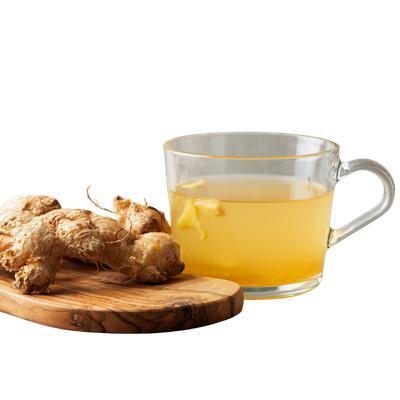
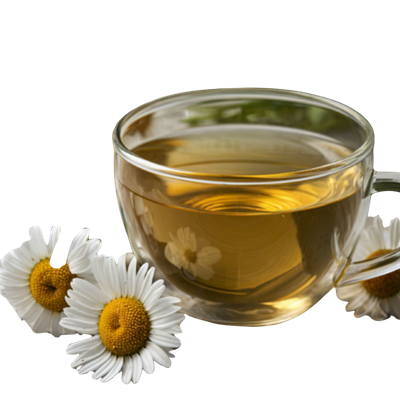
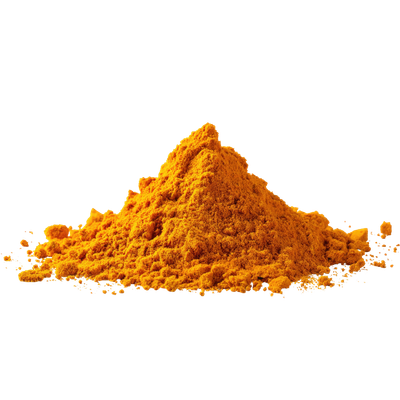
Supplements are optional tools, not a solution. Personal tracking and identifying your individual triggers remains the priority.
Where this information comes from
At MyHistaMap we curate information from peer reviewed research and recognized medical sources. This guide is a reference tool, not a medical prescription. Always track your own reactions and consult your healthcare provider.
References
- SIGHI (Swiss Interest Group Histamine Intolerance) Food Compatibility List: lists hot radish varieties with a histamine value of 1, without a liberator marking, distinct from mild varieties, which are listed with a value of 0. This is the source for the hot radish histamine classification referenced on this page.
- FODMAP Everyday, Radishes (summarizing Monash University lab testing): reports that Monash University lab testing found red radishes contain no detectable FODMAPs, with the app listing them as low FODMAP up to 500 g. This is the source for the FODMAP claim referenced on this page.
- Effect of Radish (Raphanus sativus) on Thyroid Status Under Conditions of Varying Iodine Intake in Rats: found that chronic feeding of large amounts of radish altered thyroid hormone levels and thyroid gland morphology in rats, even with adequate iodine intake. This is an animal study using chronic, high-dose feeding, not typical culinary amounts, and is the source for the goitrogen information referenced on this page.