This content is for informational purposes only and does not constitute medical advice. Always consult a qualified healthcare provider before making dietary changes. Histamine tolerance is highly individual.
This information applies to histamine intolerance, DAO deficiency, and MCAS only. If you have a confirmed food allergy, this content does not apply to you. Food allergies involve the immune system and can be life-threatening. Please consult your allergist.
Is Rice a trigger for histamine intolerance?
Rice scores a 0 out of 3 on the SIGHI Food Compatibility List, placing it in the Safe category.
Rice & Histamine, what the evidence says
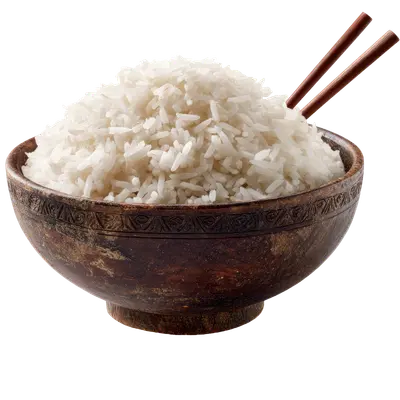
Rice is generally considered a low-risk staple for people managing histamine intolerance and can provide a simple source of carbohydrates and calories. SIGHI classifies rice as well tolerated, and rice isn't commonly associated with significant levels of biogenic amines. Its lack of gluten is also a separate consideration for people managing gluten sensitivity alongside histamine intolerance.
While most varieties are generally well tolerated, white rice is often easier to digest than whole-grain varieties because it contains less fiber. Brown and other whole-grain rices provide more fiber and nutrients, but that additional fiber can be harder to tolerate when the digestive system is particularly sensitive.
Does preparation change the risk?
Most natural rice varieties are generally well tolerated. The main considerations come from processed or pre-cooked versions that contain additives, preservatives, or oils that can be triggers independent of the rice itself.
| Form | Risk Level | Notes |
|---|---|---|
| White rice (Basmati/Jasmine) | Low | Generally the easiest to digest; lowest fiber content |
| Brown / Whole grain rice | Low | Higher in nutrients, but slightly harder on very sensitive guts |
| Rice cakes (organic) | Low | Generally fine if they contain only rice and sea salt |
| Pre-cooked / Microwave bags | High | Often contain vegetable oils and preservatives |
| Rice flour | Low | Good for baking; worth checking for cross-contamination |
Note: Risk levels are based on clinical observations and patient reports, not standardized histamine measurements. Individual tolerance varies.
A food score is a reference, not a verdict.
Histamine intolerance is highly individual. A food that triggers symptoms in one person may be tolerated by another, even within the same category.
Strict elimination may help reduce symptoms initially, but long-term progress often depends on gradual reintroduction and pattern recognition. The goal is not to remove more foods over time, but to understand your personal tolerance and expand your diet when possible.
Tracking symptoms, portions, and context such as stress or timing can provide insights that generalized food lists cannot. This is where informed decisions replace fear-based restriction.
How to test your tolerance
 The freshness rule.
Cooked rice left at room temperature can accumulate Bacillus cereus and biogenic amines fairly quickly. Eating it fresh or freezing it soon after cooking is generally a good idea.
 Arsenic management.
Cooking rice in a larger ratio of water, similar to pasta, and draining the excess afterward can reduce arsenic levels by roughly 40-60%, according to FDA research. Rinsing alone has only a minimal effect on arsenic, though it's still a reasonable habit for removing surface starch.
 Resistant starch.
Letting your rice cool down, ideally in the fridge, converts some of it into resistant starch, which may feed beneficial gut bacteria that produce butyrate.
 The clean label.
When buying rice milk or crackers, checking for gums, like guar or xanthan, or carrageenan is worthwhile, since these thickeners can be triggers for some people even if the rice itself is fine.
 Tracking protocol.
Rice should generally feel fairly neutral. If you notice bloating or discomfort, checking whether it's enriched or contains other additives is a reasonable place to start. Use MyHistaMap to track your response.
Common questions about Rice and histamine
Is rice safer than quinoa?
Both are generally low-risk for histamine. Rice tends to be notably lower in oxalates than quinoa, which can make it a more comfortable choice for those also managing oxalate sensitivity.
Does rice contain gluten?
No. All natural rice varieties are gluten-free, which some people find helpful for keeping overall gut irritation lower.
Can I eat black or red rice?
For most people, yes. These are generally low-risk and rich in antioxidants called anthocyanins, similar to red cabbage, an interesting nutritional detail rather than a specific histamine benefit. They're slightly higher in fiber than white rice.
What about rice vinegar?
Rice vinegar is a fermented product, unlike plain rice. Vinegars generally sit low on histamine scales, but they're not necessarily equivalent to the fresh grain, so treating rice vinegar as its own food worth tracking separately is a reasonable approach.
Some people find these options helpful

Supplements are optional tools, not a solution. Personal tracking and identifying your individual triggers remains the priority.
Where this information comes from
At MyHistaMap we curate information from peer reviewed research and recognized medical sources. This guide is a reference tool, not a medical prescription. Always track your own reactions and consult your healthcare provider.
References
- SIGHI (Swiss Interest Group Histamine Intolerance) Food Compatibility List: lists rice with a histamine value of 0, with a note to store cooked rice in the fridge for a maximum of 12-24 hours. This is the source for rice's low-histamine classification and storage guidance referenced on this page.
- Cooking Rice in Excess Water Reduces Both Arsenic and Enriched Vitamins in the Cooked Grain: found that rinsing rice before cooking has only a minimal effect on arsenic content, while cooking in excess water and draining reduced inorganic arsenic by 40 to 60 percent depending on rice type. This is the source for the arsenic management guidance referenced on this page, correcting the earlier claim that rinsing alone meaningfully reduces arsenic.
- Subtle Structural Variations of Resistant Starch from Whole Cooked Rice Significantly Impact Metabolic Outputs of Gut Microbiota: found that resistant starch formed in cooled cooked rice promoted butyrate production and stimulated the growth of butyrate-producing gut bacteria. This is the source for the resistant starch and butyrate claim referenced on this page.
- Unveiling the Nutritional Spectrum: A Comprehensive Analysis of Protein Quality and Antinutritional Factors in Three Varieties of Quinoa: measured oxalate content ranging from 396.9 to 715.2 mg/100g across quinoa varieties, substantially higher than rice. This is the source for the rice-versus-quinoa oxalate comparison referenced on this page.