This content is for informational purposes only and does not constitute medical advice. Always consult a qualified healthcare provider before making dietary changes. Histamine tolerance is highly individual.
This information applies to histamine intolerance, DAO deficiency, and MCAS only. If you have a confirmed food allergy, this content does not apply to you. Food allergies involve the immune system and can be life-threatening. Please consult your allergist.
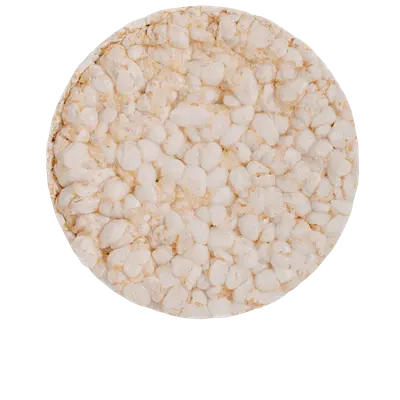
Is Rice biscuits / Rice cakes a trigger for histamine intolerance?
Rice biscuits / Rice cakes scores a 0 out of 3 on the SIGHI Food Compatibility List, placing it in the Safe category.
Rice biscuits / Rice cakes & Histamine, what the evidence says
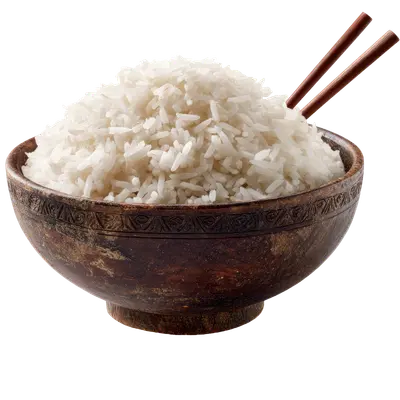
White rice is naturally low in histamine and isn't commonly associated with a histamine-liberator effect. Rice biscuits are typically made by cooking and extruding the rice under heat and pressure rather than fermenting it, so the production process itself doesn't provide the prolonged bacterial activity associated with histamine formation.
Rice is also naturally gluten-free and relatively low in fiber, making white rice and simple rice-based foods a practical carbohydrate option for people who find higher-fiber foods harder to tolerate. For someone following a low-histamine approach, plain rice biscuits can therefore be a fairly straightforward choice, provided the product doesn't contain other ingredients that are less well tolerated.
Does preparation change the risk?
Plain white rice biscuits are generally the gentlest option. Added ingredients such as soy sauce or spices can meaningfully change the risk profile of an otherwise low-risk product.
| Form | Risk Level | Notes |
|---|---|---|
| Plain white rice biscuits | Low | Generally the gold standard for histamine-friendly snacking |
| Brown rice biscuits | Low | Slightly higher in oxalates and lectins; still generally well tolerated |
| With sesame seeds | Low | Not classified as a liberator on clinical reference lists; freshness and fat oxidation are more likely factors in a reaction than histamine itself |
| With soy sauce / Tamari | High | Fermented soy tends to be notably higher in histamine |
| Herbed / Spiced | Moderate | Often contains higher-salicylate spices, like paprika |
Note: Risk levels are based on clinical observations and patient reports, not standardized histamine measurements. Individual tolerance varies.
A food score is a reference, not a verdict.
Histamine intolerance is highly individual. A food that triggers symptoms in one person may be tolerated by another, even within the same category.
Strict elimination may help reduce symptoms initially, but long-term progress often depends on gradual reintroduction and pattern recognition. The goal is not to remove more foods over time, but to understand your personal tolerance and expand your diet when possible.
Tracking symptoms, portions, and context such as stress or timing can provide insights that generalized food lists cannot. This is where informed decisions replace fear-based restriction.
How to test your tolerance
 The additive trap.
Many commercial rice crackers contain yeast extract, MSG, or natural flavors. Choosing plain or salted-only varieties can help you avoid hidden triggers.
 Storage matters.
Keeping biscuits in an airtight container helps, since moisture can lead to microscopic mold development, which some sensitive individuals find triggering.
 The gentle base strategy.
These can serve as a neutral base for well-tolerated fats like fresh butter or young cream cheese, helping maintain caloric intake during elimination phases.
 Blood sugar balance.
Rice biscuits have a fairly high glycemic index. Pairing them with a well-tolerated protein or fat may help avoid the blood sugar swings some people find stressful for their system.
 Tracking protocol.
Use the MyHistaMap app to check ingredients if a reaction occurs, paying particular attention to hidden maltodextrin or soy derivatives.
Common questions about Rice biscuits / Rice cakes and histamine
Are rice biscuits gluten-free?
Yes. Rice is naturally gluten-free, which some people find reduces overall gut irritation.
Can I eat rice biscuits during a flare?
For many people, yes. Due to their generally neutral biochemical profile, plain rice biscuits tend to be one of the gentler food choices when the system feels overloaded.
Do rice biscuits contain oxalates?
White rice biscuits tend to be low in oxalates. Brown rice versions contain somewhat more but generally remain within a reasonable range for most people.
Why do some brands of rice biscuits cause a reaction?
It's worth checking for hidden flavor enhancers or vegetable oils, like soybean oil, that may be higher in amines or salicylates.
Some people find these options helpful
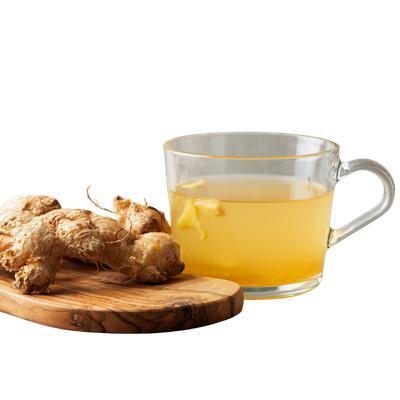

Supplements are optional tools, not a solution. Personal tracking and identifying your individual triggers remains the priority.
Where this information comes from
At MyHistaMap we curate information from peer reviewed research and recognized medical sources. This guide is a reference tool, not a medical prescription. Always track your own reactions and consult your healthcare provider.
References
- SIGHI (Swiss Interest Group Histamine Intolerance) Food Compatibility List, version 2024-08-29: rates rice biscuits/rice cakes 0 (compatible) and sesame 1 with no liberator designation, while rating soy sauce 3, the basis for the classifications used in this page's table.
- Ethanol Extract of Sesamum indicum Linn. Inhibits FcεRI-Mediated Allergic Reaction via Regulation of Lyn/Syk and Fyn Signaling Pathways in Rat Basophilic Leukemic RBL-2H3 Mast Cells, PMC: found that sesame seed extract inhibited mast cell degranulation in laboratory research, the opposite of a liberating effect, further supporting that sesame is not well characterized as a histamine liberator.