This content is for informational purposes only and does not constitute medical advice. Always consult a qualified healthcare provider before making dietary changes. Histamine tolerance is highly individual.
This information applies to histamine intolerance, DAO deficiency, and MCAS only. If you have a confirmed food allergy, this content does not apply to you. Food allergies involve the immune system and can be life-threatening. Please consult your allergist.
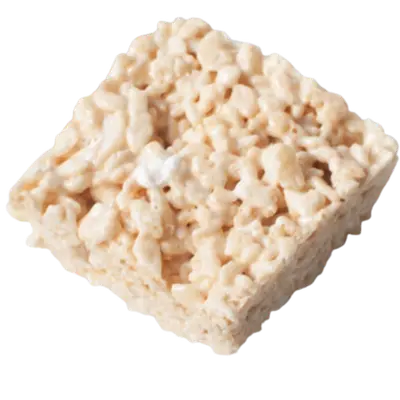
Is Rice Crispies | Rice Krispies a trigger for histamine intolerance?
Rice Crispies | Rice Krispies scores a 0 out of 3 on the SIGHI Food Compatibility List, placing it in the Safe category.
Rice Crispies | Rice Krispies & Histamine, what the evidence says
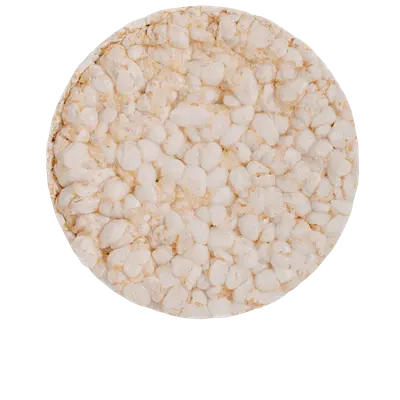
Rice Krispies are made primarily from white rice, which is naturally low in histamine and isn't commonly associated with a histamine-liberator effect. The manufacturing process involves cooking the rice and then puffing it through rapid changes in pressure. Unlike fermented or aged foods, this process doesn't involve prolonged bacterial activity that would allow significant histamine formation.
However, plain puffed rice and commercial Rice Krispies aren't quite the same thing. The original formulation contains barley malt extract, which adds a separate histamine consideration and also means the cereal isn't gluten-free. The cereal is also fortified with vitamins and minerals, so the finished product has a different ingredient profile from plain puffed rice. For someone following a low-histamine approach, plain puffed rice may therefore be a simpler choice than assuming that every rice cereal has the same profile as the rice itself.
Does preparation change the risk?
Plain puffed rice is generally the gentlest option. Malt extract, fortification, flavored, and treat versions introduce additional ingredients that can meaningfully change the risk profile.
| Form | Risk Level | Notes |
|---|---|---|
| Plain puffed rice (no malt) | Low | Generally the gentlest version; free from added amines or liberators |
| Original with malt flavoring | Moderate | Barley malt extract is flagged as a separate histamine consideration on clinical reference lists, unlike malt flour used in some baked goods |
| Chocolate version | High | Cocoa is classified as a histamine liberator and a source of other biogenic amines on clinical reference lists |
| Frosted / Sugared | Low | High sugar may contribute to minor inflammation but isn't a direct histamine source |
| Rice Krispie Treats | Moderate | Often contains gelatin, soy, or artificial flavors |
Note: Risk levels are based on clinical observations and patient reports, not standardized histamine measurements. Individual tolerance varies.
A food score is a reference, not a verdict.
Histamine intolerance is highly individual. A food that triggers symptoms in one person may be tolerated by another, even within the same category.
Strict elimination may help reduce symptoms initially, but long-term progress often depends on gradual reintroduction and pattern recognition. The goal is not to remove more foods over time, but to understand your personal tolerance and expand your diet when possible.
Tracking symptoms, portions, and context such as stress or timing can provide insights that generalized food lists cannot. This is where informed decisions replace fear-based restriction.
How to test your tolerance
 The malt factor.
The original recipe uses barley malt extract for flavor, which clinical reference lists flag as a separate histamine consideration, not the same as the malt flour sometimes used in baked goods. Highly sensitive individuals may want to look for malt-free or certified gluten-free versions.
 Fortification check.
Many cereals are fortified with synthetic vitamins, including folic acid, which some clinical reference lists flag as a histamine liberator. This is worth checking rather than assuming fortified cereal has the same profile as the plain grain.
 Milk pairing.
Pairing these cereals with fresh milk, coconut milk, or almond milk, if tolerated, rather than fermented options like kefir, may help keep things simple.
 Texture strategy.
Their lower-fiber profile makes plain puffed rice a common rescue food during a histamine flare-up, providing calories without being too taxing on the digestive tract.
 Tracking protocol.
Use the MyHistaMap app to check if a specific brand's malt extract, fortification, or natural flavors correlate with any mild symptoms like bloating or itching.
Common questions about Rice Crispies | Rice Krispies and histamine
Are Rice Krispies gluten-free?
Standard Rice Krispies contain barley malt, which includes gluten. For stricter needs, versions explicitly labeled gluten-free, which use brown rice or alternative sweeteners, are available.
Can I eat Rice Krispies during a flare?
Plain puffed rice without malt extract is generally a reasonable choice during a flare. Standard Rice Krispies with malt extract and fortification are a separate consideration worth checking first.
Do Rice Krispies contain salicylates?
Generally not much from the rice itself. White rice is one of the few grains that's fairly low in salicylates, which can make plain puffed rice a reasonable option for those managing multiple chemical sensitivities.
Why do I react to Rice Krispie Treats?
Commercial treats contain marshmallows (gelatin), butter, and stabilizers, which add more biochemical complexity than the plain cereal alone, on top of the malt extract already present in the cereal.
Some people find these options helpful

Supplements are optional tools, not a solution. Personal tracking and identifying your individual triggers remains the priority.
Where this information comes from
At MyHistaMap we curate information from peer reviewed research and recognized medical sources. This guide is a reference tool, not a medical prescription. Always track your own reactions and consult your healthcare provider.
References
- SIGHI (Swiss Interest Group Histamine Intolerance) Food Compatibility List, version 2024-08-29: rates rice crispies 0 but notes to "be careful with malt, folic acid"; separately rates malt extract 2, folic acid 2 marked L (liberator), and cocoa/cocoa powder 2 marked A and L, the basis for the ingredient-specific classifications used on this page.