This content is for informational purposes only and does not constitute medical advice. Always consult a qualified healthcare provider before making dietary changes. Histamine tolerance is highly individual.
This information applies to histamine intolerance, DAO deficiency, and MCAS only. If you have a confirmed food allergy, this content does not apply to you. Food allergies involve the immune system and can be life-threatening. Please consult your allergist.
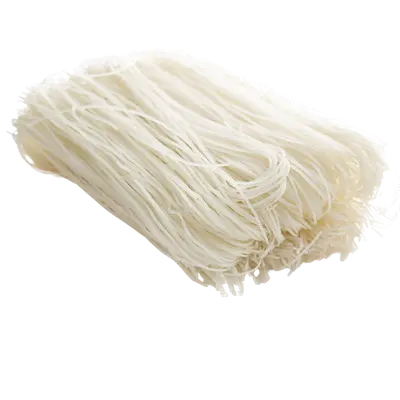
Is Rice noodles a trigger for histamine intolerance?
Rice noodles scores a 0 out of 3 on the SIGHI Food Compatibility List, placing it in the Safe category.
Rice noodles & Histamine, what the evidence says
Rice noodles are made from finely milled rice flour and water, so they retain rice's generally favorable histamine profile. SIGHI classifies rice noodles the same as plain cooked rice, while noting that they may be slightly less well tolerated than freshly cooked rice. They're made through mechanical processing such as extrusion and drying, without fermentation or aging stages that would encourage significant histamine formation.
Rice noodles are also naturally gluten-free, which is a separate consideration from histamine and can be useful for people managing gluten sensitivity alongside histamine intolerance.
Does preparation change the risk?
Most forms of rice noodles are generally well tolerated. The main considerations come from added ingredients in instant versions or preservatives in fresh market noodles; the noodle itself is generally low-risk.
| Form | Risk Level | Notes |
|---|---|---|
| Dried rice noodles | Low | The standard form; quite stable and generally free from amines |
| Fresh rice noodles | Low | Usually fine, but worth checking for oil coatings or preservatives |
| Brown rice noodles | Low | Slightly higher in oxalates and fiber than white rice noodles; still generally well tolerated |
| Instant rice ramen | Moderate | The noodles themselves are generally fine, but the flavor packets tend to be higher in histamine |
| Rice paper (spring rolls) | Low | Similar composition to noodles; generally well tolerated |
Note: Risk levels are based on clinical observations and patient reports, not standardized histamine measurements. Individual tolerance varies.
A food score is a reference, not a verdict.
Histamine intolerance is highly individual. A food that triggers symptoms in one person may be tolerated by another, even within the same category.
Strict elimination may help reduce symptoms initially, but long-term progress often depends on gradual reintroduction and pattern recognition. The goal is not to remove more foods over time, but to understand your personal tolerance and expand your diet when possible.
Tracking symptoms, portions, and context such as stress or timing can provide insights that generalized food lists cannot. This is where informed decisions replace fear-based restriction.
How to test your tolerance
 Rinse after cooking.
Rinsing noodles in cold water removes excess starch, which helps prevent them from becoming a sticky substrate for bacteria if not eaten right away.
 The leftover rule.
While the noodles themselves are generally low-risk, once cooked and combined with other foods, they can accumulate histamine if left in the fridge too long. Freezing leftovers promptly can help.
 Read the label.
Some brands include modified corn starch or tapioca starch, which are generally fine, but it's worth checking there are no wheat-based thickeners.
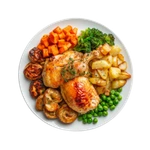 Restaurant caution.
In Asian restaurants, rice noodles are often stir-fried with soy sauce or fish sauce, both higher-risk ingredients. Requesting them plain or with well-tolerated oils is a reasonable approach.
 Tracking protocol.
Use MyHistaMap to confirm your tolerance when switching between white rice and brown rice varieties.
Common questions about Rice noodles and histamine
Are rice noodles better than wheat pasta for histamine intolerance?
For people managing gluten sensitivity alongside histamine intolerance, yes, since rice noodles are naturally gluten-free. From a histamine standpoint alone, both plain wheat pasta and rice noodles are generally low-risk.
Do rice noodles contain oxalates?
White rice noodles are very low in oxalates. Brown rice versions have somewhat more, though still a generally modest amount compared to high-oxalate foods.
Can I eat rice noodles during a flare-up?
For many people, yes. They're often considered a go-to food due to their neutrality and ease of digestion.
Why are fresh rice noodles listed as low-risk rather than completely risk-free?
Some fresh noodles sold in markets use sulfite-based preservatives to maintain their white color and prevent spoilage, which can be a trigger for some individuals.
Some people find these options helpful

Supplements are optional tools, not a solution. Personal tracking and identifying your individual triggers remains the priority.
Where this information comes from
At MyHistaMap we curate information from peer reviewed research and recognized medical sources. This guide is a reference tool, not a medical prescription. Always track your own reactions and consult your healthcare provider.
References
- SIGHI (Swiss Interest Group Histamine Intolerance) Food Compatibility List: lists rice noodles with a histamine value of 0, the same as plain rice, with the specific remark 'Slightly worse tolerated than freshly cooked rice.' This is the source for the histamine classification and the freshness note referenced on this page.
- Oxalate Content of Brown Rice (based on USDA FoodData Central): reports brown rice at approximately 13 mg of oxalate per 100 g, classifying it as a low-to-moderate oxalate food. This is the source for the brown rice oxalate comparison referenced on this page.