This content is for informational purposes only and does not constitute medical advice. Always consult a qualified healthcare provider before making dietary changes. Histamine tolerance is highly individual.
This information applies to histamine intolerance, DAO deficiency, and MCAS only. If you have a confirmed food allergy, this content does not apply to you. Food allergies involve the immune system and can be life-threatening. Please consult your allergist.
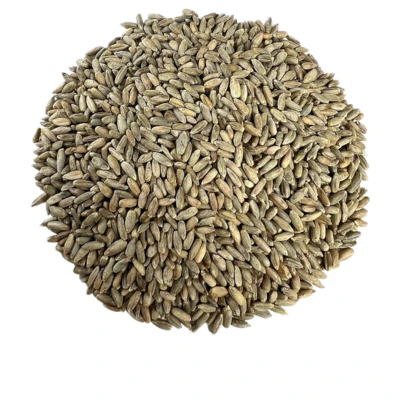
Is Rye a trigger for histamine intolerance?
Rye scores a 1 out of 3 on the SIGHI Food Compatibility List, placing it in the Low category.
Rye & Histamine, what the evidence says
Rye is generally considered low-risk from a histamine standpoint and isn't commonly associated with a histamine-liberator effect. Its main considerations come from other parts of its composition rather than from histamine itself.
Rye contains gluten and is relatively high in fructans, a type of fermentable carbohydrate that can cause digestive symptoms in people with FODMAP sensitivity. These effects are separate from histamine, but they can make rye harder to tolerate for some people even when histamine itself isn't the issue. The amount of fructans isn't fixed, though: variety, growing conditions, milling, and especially processing can change the final content. Sourdough fermentation can substantially reduce fructans because the microorganisms involved consume some of these carbohydrates, so fermented rye bread can have a different digestive profile from plain rye flour.
Does preparation change the risk?
The fermentation level is one of the most important variables for rye tolerance, though it affects fructans and biogenic amines in opposite directions.
| Form | Risk Level | Notes |
|---|---|---|
| Rye grain / Flour | Low | Contains gluten and fructans, but not a meaningful source of preformed histamine |
| Rye crispbread | Low | Generally well tolerated if free of malt or high yeast content |
| Sourdough rye | Moderate | Fermentation reduces fructans but tends to raise biogenic amine levels, a tradeoff depending on which consideration matters more to you |
| Pumpernickel | Moderate | Traditionally made with a long sourdough fermentation, similar amine consideration to other sourdough rye breads |
Note: Risk levels are based on clinical observations and patient reports, not standardized histamine measurements. Individual tolerance varies.
A food score is a reference, not a verdict.
Histamine intolerance is highly individual. A food that triggers symptoms in one person may be tolerated by another, even within the same category.
Strict elimination may help reduce symptoms initially, but long-term progress often depends on gradual reintroduction and pattern recognition. The goal is not to remove more foods over time, but to understand your personal tolerance and expand your diet when possible.
Tracking symptoms, portions, and context such as stress or timing can provide insights that generalized food lists cannot. This is where informed decisions replace fear-based restriction.
How to test your tolerance
 The fermentation tradeoff.
Sourdough fermentation reduces fructans, which can help with FODMAP-related digestive symptoms, but it tends to raise biogenic amine levels at the same time. Which matters more depends on whether your reactions are more histamine-related or more digestive.
 Gluten is the other main consideration.
Rye contains gluten (secalin), separate from any histamine consideration. This matters for anyone managing celiac disease or gluten sensitivity, regardless of how rye affects their histamine load.
 Anti-nutrient reduction.
Soaking rye grains for 12 to 24 hours before cooking may help reduce lectins and oxalates, potentially improving tolerance for some people.
- Storage and mycotoxins.
Rye is particularly susceptible to ergot and other molds, so storing rye products in a dry environment is a good practice to help avoid mold-related triggers.
 Tracking protocol.
Use the MyHistaMap app to monitor whether your response to rye tends to be immediate, possibly histamine-related, or occurs several hours later, possibly related to fructans.
Common questions about Rye and histamine
Is rye safer than wheat for histamine intolerance?
Both are generally low-risk from a histamine standpoint. Rye's fructan content and gluten structure are separate considerations that can make it more or less tolerable depending on the individual, independent of histamine.
Why is rye not considered a fully neutral food?
It's not the histamine content itself, rye isn't a major source of that. It's the combination of gluten and its relatively high fructan content, both separate considerations that can affect tolerance even when histamine isn't the issue.
Does rye contain salicylates?
Yes, but at fairly low levels. Like most whole grains, it contains modest natural salicylate content as part of its overall chemical profile.
Some people find these options helpful

Supplements are optional tools, not a solution. Personal tracking and identifying your individual triggers remains the priority.
Where this information comes from
At MyHistaMap we curate information from peer reviewed research and recognized medical sources. This guide is a reference tool, not a medical prescription. Always track your own reactions and consult your healthcare provider.
References
- SIGHI (Swiss Interest Group Histamine Intolerance) Food Compatibility List, version 2024-08-29: rates rye 1 ("barely tolerated") with no liberator, amine, or DAO-blocker designation, the basis for its low-risk histamine classification on this page.
- Kęszycka, Szkop & Gajewska, Overall Content of Salicylic Acid and Salicylates in Food Available on the European Market, Journal of Agricultural and Food Chemistry, 2017: measured rye whole-grain bread at a low level of 0.0835 mg/kg of free salicylates, supporting the modest salicylate classification used on this page.
- Loponen & Gänzle, Use of Sourdough in Low FODMAP Baking, Foods, 2018: reviews evidence that sourdough fermentation, driven by lactic acid bacteria, substantially reduces fructan content in rye and wheat bread, while noting that fermentation can increase mannitol, another FODMAP compound, at the same time.