This content is for informational purposes only and does not constitute medical advice. Always consult a qualified healthcare provider before making dietary changes. Histamine tolerance is highly individual.
This information applies to histamine intolerance, DAO deficiency, and MCAS only. If you have a confirmed food allergy, this content does not apply to you. Food allergies involve the immune system and can be life-threatening. Please consult your allergist.
Is Sago a trigger for histamine intolerance?
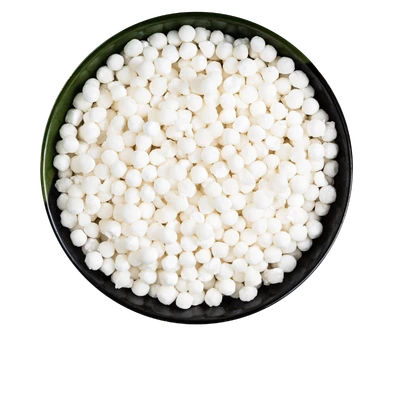
Sago scores a 0 out of 3 on the SIGHI Food Compatibility List, placing it in the Safe category.
Sago & Histamine, what the evidence says
Sago consists almost entirely of starch, making it a simple and easily digested carbohydrate. It contains very little protein or fat, and isn't associated with meaningful amounts of biogenic amines such as histamine.
One practical detail is that sago and tapioca are frequently confused or substituted for one another because both are sold as small, white pearls and can be used in similar recipes. They come from completely different plants, though: sago is made from the starch-rich pith of the sago palm, while tapioca is made from cassava root. Commercial products can also contain a mixture of the two, so checking that a product is genuinely 100% sago is worthwhile if you're specifically avoiding cassava-based ingredients.
Does preparation change the risk?
Pure sago pearls and flour are generally the safest options. Pre-cooked and flavored versions introduce additives and ingredients that can meaningfully change the risk profile.
| Form | Risk Level | Notes |
|---|---|---|
| Sago pearls (pure) | Low | Pure starch form; generally the safest and most common preparation |
| Sago flour | Low | Used as a thickener; generally free of chemical additives in its pure state |
| Pre-cooked / Canned | Moderate | May contain preservatives (sulfites) to maintain color and texture |
| Flavored puddings | High | Often contains dairy, synthetic flavors, or higher-histamine fruits |
Note: Risk levels are based on clinical observations and patient reports, not standardized histamine measurements. Individual tolerance varies.
A food score is a reference, not a verdict.
Histamine intolerance is highly individual. A food that triggers symptoms in one person may be tolerated by another, even within the same category.
Strict elimination may help reduce symptoms initially, but long-term progress often depends on gradual reintroduction and pattern recognition. The goal is not to remove more foods over time, but to understand your personal tolerance and expand your diet when possible.
Tracking symptoms, portions, and context such as stress or timing can provide insights that generalized food lists cannot. This is where informed decisions replace fear-based restriction.
How to test your tolerance
 Purity check.
It's worth verifying that the ingredient is 100% sago starch, since some commercial "sago" is actually tapioca (cassava), or a mix of the two.
 Sulfite awareness.
In some regions, sago flour is treated with sulfites for bleaching. Choosing organic or sulfite-free versions may help if you have higher chemical sensitivity.
 Proper storage.
Since it's an inert starch, storing it in a cool, dry place helps prevent mold growth, which could introduce fungal toxins and trigger reactions in some people.
 Rinsing protocol.
Rinsing sago pearls thoroughly before cooking is generally recommended to remove any residual surface starch or dust from processing.
 Tracking protocol.
Use MyHistaMap to document how your digestive system handles higher-starch meals without much protein or fat.
Common questions about Sago and histamine
Is sago safe during the strictest elimination phase?
Generally, yes. It's one of the few starches many people find suitable in the most restrictive phases of chemical elimination diets, due to its low overall chemical load.
Is sago the same as tapioca?
No. While they're used similarly and can look alike, sago comes from the pith of the sago palm, while tapioca comes from the cassava root. Commercial products are sometimes mislabeled or blended, so checking the ingredient list is worthwhile if the distinction matters to you.
Is sago suitable for frequent consumption?
From a chemical tolerance perspective, it's generally fine, but it's worth balancing with nutrient-dense foods, since it's primarily a source of energy with minimal vitamins or minerals.
Some people find these options helpful

Supplements are optional tools, not a solution. Personal tracking and identifying your individual triggers remains the priority.

Where this information comes from
At MyHistaMap we curate information from peer reviewed research and recognized medical sources. This guide is a reference tool, not a medical prescription. Always track your own reactions and consult your healthcare provider.
References
- SIGHI (Swiss Interest Group Histamine Intolerance) Food Compatibility List: lists pearl sago as well tolerated, without a liberator marking. This is the source for sago's low-histamine classification referenced on this page.
- Karim et al., Starch from the Sago (Metroxylon sagu) Palm Tree, Comprehensive Reviews in Food Science and Food Safety, 2008: confirms sago starch is extracted from the pith of the sago palm stem, distinct from cereal, tuber, and root-based starches like cassava. This is the source for the sago-versus-tapioca botanical distinction referenced on this page.