This content is for informational purposes only and does not constitute medical advice. Always consult a qualified healthcare provider before making dietary changes. Histamine tolerance is highly individual.
This information applies to histamine intolerance, DAO deficiency, and MCAS only. If you have a confirmed food allergy, this content does not apply to you. Food allergies involve the immune system and can be life-threatening. Please consult your allergist.
Is Sausages of all kinds a trigger for histamine intolerance?
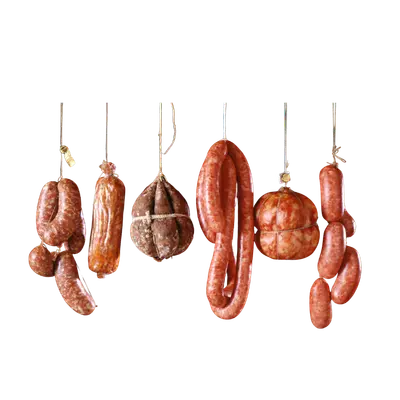
Sausages of all kinds scores a 3 out of 3 on the SIGHI Food Compatibility List, placing it in the High category. Some reference sources also suggest it may be a histamine liberator, though even the source itself describes this as unconfirmed or suspected.
Sausages of all kinds & Histamine, what the evidence says
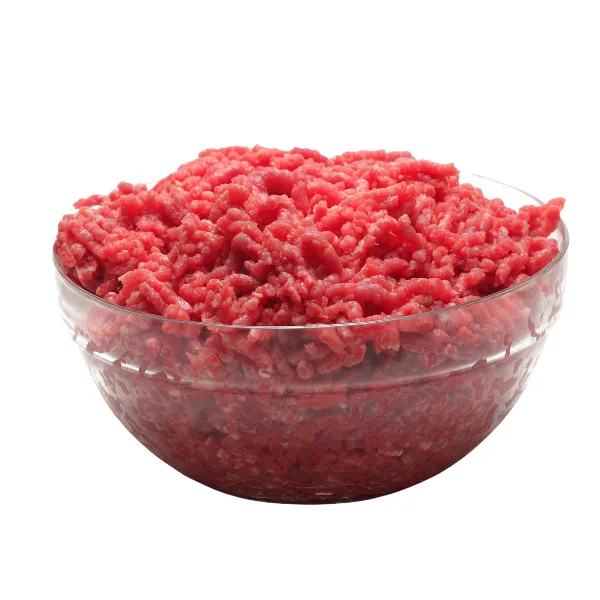
Sausages are ground meat, and grinding itself increases the surface area exposed to bacteria, the same reason ground meat can carry more histamine risk than a whole cut when it is stored for longer periods. Beyond that, how a sausage is made, fresh and quickly cooked versus smoked, cured, or held for an extended period, can change its histamine profile considerably. This is part of why reference sources note that sausages can vary considerably, with some types considered better tolerated than others.
What often sets sausages apart from other processed meats, salami included, is a different kind of ingredient entirely: many traditional sausage recipes, especially fresh English-style sausages, use bread or a wheat-based binder called rusk to hold the meat together and add texture. This isn't a minor addition; traditional recipes can use it at up to a few percent of the total weight. Wheat introduces a genuine FODMAP consideration through its fructan content, and this has nothing to do with the meat itself. The amount matters, however, since the FODMAP contribution depends on how much rusk the sausage contains and how much sausage is eaten.
Separately, smoked or cured sausages can carry the same tyramine-related risk as other aged meats for people taking MAOI antidepressants. Tyramine can form during the aging and curing processes, and in someone taking an MAOI, excessive tyramine can trigger a sudden, sharp spike in blood pressure known as a hypertensive crisis.
Separately, some sausages contain sodium nitrite or sodium nitrate as curing agents, and these can contribute to headaches through a mechanism that has nothing to do with histamine or tyramine. Nitrite can be converted to nitric oxide in the body, which dilates blood vessels, and nitrites have been studied as potential headache triggers, sometimes in connection with what has been informally called a "hot dog headache." This is a separate consideration from the histamine and tyramine mechanisms described above, and it may affect people who don't otherwise react to sausage's amine content.
Does preparation change the risk?
How a sausage is made and what it's made with both matter here, not just the meat itself.
| Form | Risk Level | Notes |
|---|---|---|
| Fresh sausage, cooked promptly | Moderate | Grinding increases surface area, but a short time since preparation limits buildup |
| Fresh sausage stored for an extended period | High | More time for bacteria to act on the ground meat |
| Sausage made with rusk or wheat-based fillers | Moderate | Introduces a FODMAP consideration separate from histamine; depends on the amount used and eaten |
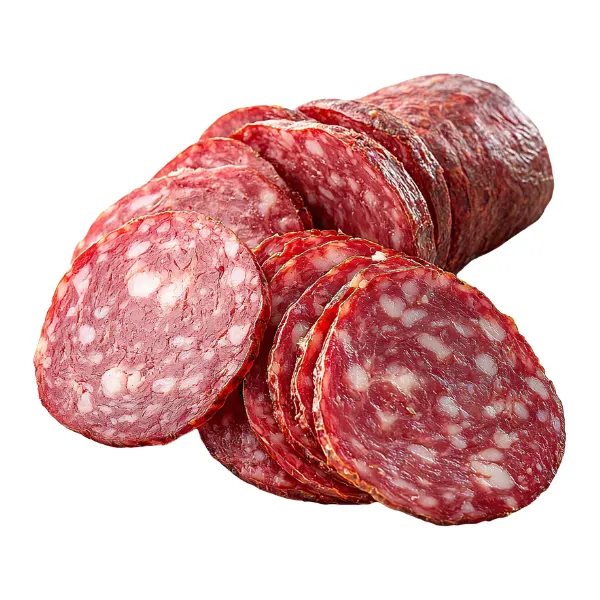
| Smoked or cured sausage | High | Aging and curing allow both histamine and tyramine to form; relevant for MAOI antidepressants |
Note: Risk levels are based on clinical observations and patient reports, not standardized histamine measurements. Individual tolerance varies.
A food score is a reference, not a verdict.
Histamine intolerance is highly individual. A food that triggers symptoms in one person may be tolerated by another, even within the same category.
Strict elimination may help reduce symptoms initially, but long-term progress often depends on gradual reintroduction and pattern recognition. The goal is not to remove more foods over time, but to understand your personal tolerance and expand your diet when possible.
Tracking symptoms, portions, and context such as stress or timing can provide insights that generalized food lists cannot. This is where informed decisions replace fear-based restriction.
How to test your tolerance
 Check the ingredient list for rusk or breadcrumbs.
It's a common binder in traditional fresh sausages and introduces a FODMAP consideration separate from the meat.
 Cook fresh sausage promptly after buying it.
Grinding increases surface area, so time and storage matter more than with a whole cut.
 Know the medication interaction with smoked or cured sausage.
Tyramine can form during aging and curing, relevant for anyone taking an MAOI antidepressant.
 Freeze promptly if not cooking right away.
Freezing limits further bacterial activity in ground meat products like sausage.
 Consider portion size if FODMAPs are a concern.
The FODMAP contribution from rusk depends on both how much filler is in the sausage and how much you eat.
 Track the type, brand, and ingredients in MyHistaMap.
Sausages vary more than most meats, so logging specifics helps identify your personal pattern.
Common questions about Sausages of all kinds and histamine
Why do sausages vary so much in how they're tolerated?
Sausages differ in how they're made, fresh and quickly cooked versus smoked, cured, or stored longer, and in what's added to the mix, like wheat-based fillers. Both factors can change the histamine and FODMAP profile considerably.
What is rusk, and why does it matter?
Rusk is a wheat-based binder used in many traditional sausage recipes, sometimes making up a few percent of the total weight. It introduces a FODMAP consideration through wheat's fructan content, separate from the meat itself.
Can smoked sausage affect me if I take an antidepressant?
Smoked or cured sausage can carry a tyramine-related risk for people taking MAOI antidepressants, since tyramine forms during aging and curing. This is a separate medication interaction, not a histamine intolerance symptom.
Is all sausage high in FODMAPs?
Not necessarily. It depends on how much rusk or wheat-based filler the specific sausage contains and how much you eat. Continental-style sausages often use little to no filler at all.
Some people find these options helpful

Supplements are optional tools, not a solution. Personal tracking and identifying your individual triggers remains the priority.
Where this information comes from
At MyHistaMap we curate information from peer reviewed research and recognized medical sources. This guide is a reference tool, not a medical prescription. Always track your own reactions and consult your healthcare provider.
References
- SIGHI (Swiss Interest Group Histamine Intolerance) Food Compatibility List: rates sausages of all kinds with a moderate-to-high histamine score, noting that a few acceptable exceptions are possible. The source for this page's note on sausage variability.
- Small-Scale Sausage Production, Food and Agriculture Organization of the United Nations: describes rusk as a cereal binder sometimes added to sausage formulations at roughly 0.5 to 3% of total weight to improve binding. The source for this page's note on rusk as a wheat-based sausage ingredient.
- Meat, Seafood, Eggs and Cooking Fats: Low FODMAP?, Monash University FODMAP Blog: confirms that added ingredients like wheat-based fillers can introduce meaningful FODMAP content into a meat product. The source for this page's FODMAP note on wheat and rusk.
- McCabe BJ, Dietary Tyramine and Other Pressor Amines in MAOI Regimens: A Review, Journal of the American Dietetic Association, 1986: confirms aged and cured foods, sausages included, are consistently named in low-tyramine diet guidance for people taking MAOI antidepressants. The source for this page's tyramine-MAOI section.
- Gladwin MT, Haldane, Hot Dogs, Halitosis, and Hypoxic Vasodilation: The Emerging Biology of the Nitrite Anion, Journal of Clinical Investigation, 2004: describes how nitrite is converted to nitric oxide in the body, contributing to blood vessel dilation, and references the informally named "hot dog headache" phenomenon associated with nitrite-cured meats. The source for this page's nitrite and headache note.