This content is for informational purposes only and does not constitute medical advice. Always consult a qualified healthcare provider before making dietary changes. Histamine tolerance is highly individual.
This information applies to histamine intolerance, DAO deficiency, and MCAS only. If you have a confirmed food allergy, this content does not apply to you. Food allergies involve the immune system and can be life-threatening. Please consult your allergist.
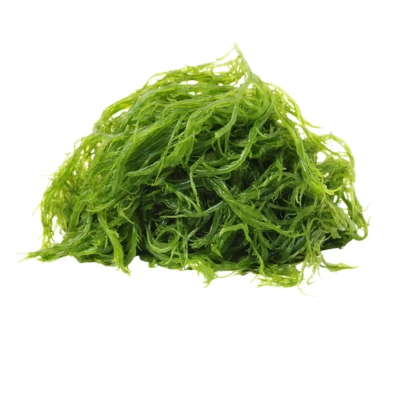
Is Seaweed, algae a trigger for histamine intolerance?
Seaweed, algae scores a 3 out of 3 on the SIGHI Food Compatibility List, placing it in the High category. It is also classified as a potential histamine liberator, meaning it may trigger the body to release additional histamine, although evidence in humans remains limited.
Seaweed, algae & Histamine, what the evidence says
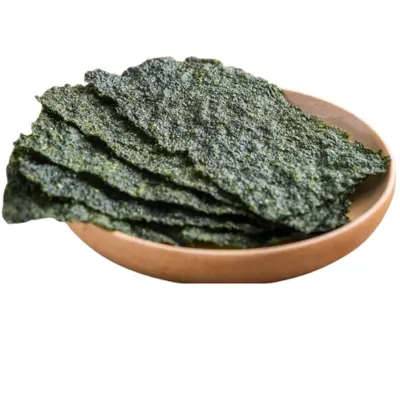
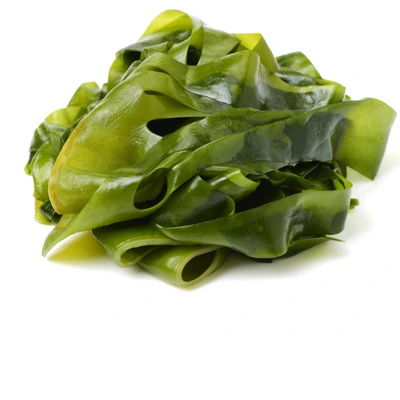
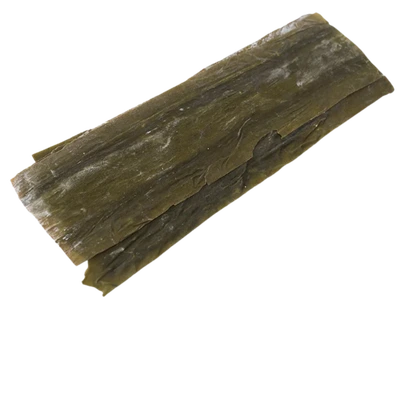
Seaweed and algae are classified as potential histamine liberators on some reference lists, including SIGHI, which also notes their particularly high iodine content. The reason for this classification is not well established, and there isn't a clearly documented mechanism showing that the iodine content itself triggers mast cell activation. Seaweed also varies considerably by species and preparation, so it is difficult to treat all seaweeds as having the same histamine profile.
Processing is another important variable. Seaweed may be sold fresh, dried, roasted, fermented, or combined with other ingredients, and these forms can have very different compositions. A small amount used as a seasoning is also a very different exposure from eating seaweed as a substantial part of a meal. For someone testing their tolerance, the specific type, preparation, and portion are therefore worth tracking rather than treating all seaweed as one uniform food.
Does preparation change the risk?
Species, processing, and portion size all meaningfully affect how seaweed is tolerated. Treating each form as its own variable is more useful than a single blanket rule.
| Form | Risk Level | Notes |
|---|---|---|
| Small amount as seasoning (e.g., kelp in seasoned salt) | Low | SIGHI rates kelp favorably specifically in this small-quantity, seasoning context |
| Dried, eaten as a food | High | A more concentrated exposure than seasoning use; classified as a liberator |
| Powder | High | High surface area may increase oxidation and amine buildup over time |
| Noodles | Moderate | Lower concentration per serving, but still worth some caution for sensitive individuals |
| Seasoned snacks | High | Usually contains additional higher-histamine additives, like soy or yeast extract |
Note: Risk levels are based on clinical observations and patient reports, not standardized histamine measurements. Individual tolerance varies.
A food score is a reference, not a verdict.
Histamine intolerance is highly individual. A food that triggers symptoms in one person may be tolerated by another, even within the same category.
Strict elimination may help reduce symptoms initially, but long-term progress often depends on gradual reintroduction and pattern recognition. The goal is not to remove more foods over time, but to understand your personal tolerance and expand your diet when possible.
Tracking symptoms, portions, and context such as stress or timing can provide insights that generalized food lists cannot. This is where informed decisions replace fear-based restriction.
How to test your tolerance
 Strategic avoidance.
Larger portions of seaweed eaten as a dish are often best set aside during the initial phases of a low-histamine approach.
 Iodine awareness.
Seaweed is very high in iodine. The connection to histamine symptoms isn't clearly established, but it's still worth being mindful of iodine intake broadly, especially if you have thyroid concerns.
 Species and preparation vary.
A small amount used as seasoning, like kelp in seasoned salt, is a very different exposure than eating a seaweed salad or dried seaweed snacks. Don't assume all forms behave the same.
 Natural glutamates.
Seaweed's umami flavor comes from glutamates. Whether glutamates trigger symptoms is genuinely debated in the research, so if you notice a pattern, it's worth tracking specifically rather than assuming the mechanism.
 Tracking protocol.
Use MyHistaMap to log the specific species, preparation, and portion size, since these seem to matter more for seaweed than for many other foods.
Common questions about Seaweed, algae and histamine
Why is seaweed generally considered higher-risk?
It's classified as a liberator on reference lists like SIGHI, and depending on the form, it can accumulate biogenic amines relatively quickly. The exact mechanism behind the liberator classification isn't fully established.
Are there alternatives to seaweed for a sea flavor?
For a sea flavor without as much risk, some people find distilled sea minerals or specific salts to be gentler options.
Does seaweed affect digestion?
Its fiber and mineral density can be a lot for a sensitized gut to process for some people, which is a separate consideration from its histamine classification.
Is kelp used as a seasoning the same risk as eating seaweed as a dish?
Not necessarily. SIGHI rates kelp favorably specifically when used in small amounts as a seasoning ingredient, which is a very different exposure than eating dried seaweed or seaweed salad as a meal component.
Some people find these options helpful

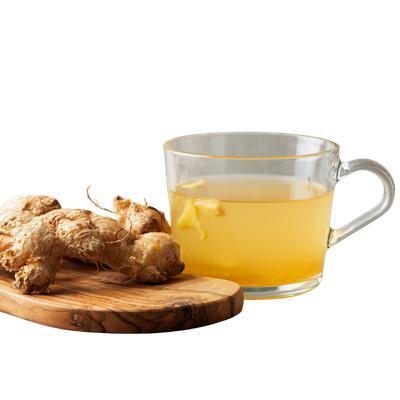
Supplements are optional tools, not a solution. Personal tracking and identifying your individual triggers remains the priority.
Where this information comes from
At MyHistaMap we curate information from peer reviewed research and recognized medical sources. This guide is a reference tool, not a medical prescription. Always track your own reactions and consult your healthcare provider.
References
- SIGHI (Swiss Interest Group Histamine Intolerance) Food Compatibility List: lists algae and algae derivatives, as well as brown algae, with a histamine value of 3, marked 'L' (liberator) and noted as extremely rich in iodine, while listing kelp specifically, when used as an ingredient in seasoned or herbal salt, with a favorable value of 0. This is the source for both the liberator classification and the seasoning-quantity distinction referenced on this page.