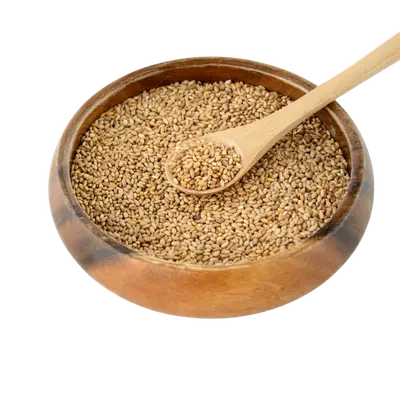
This content is for informational purposes only and does not constitute medical advice. Always consult a qualified healthcare provider before making dietary changes. Histamine tolerance is highly individual.
This information applies to histamine intolerance, DAO deficiency, and MCAS only. If you have a confirmed food allergy, this content does not apply to you. Food allergies involve the immune system and can be life-threatening. Please consult your allergist.
Is Sesame a trigger for histamine intolerance?
Sesame scores a 1 out of 3 on the SIGHI Food Compatibility List, placing it in the Low category.
Sesame & Histamine, what the evidence says
Sesame seeds are not commonly classified as histamine liberators. Laboratory research has actually found an opposite effect, with sesame extract inhibiting mast cell degranulation rather than promoting it. Sesame contains compounds such as sesamin and sesamol with antioxidant activity, although its relatively high polyunsaturated fat content also makes it susceptible to oxidation over time, particularly once the seeds are ground or exposed to heat, light, or air.
Separately, sesame is high in oxalates. Whole, unhulled sesame seeds contain relatively high amounts, with much of the oxalate concentrated in the outer hull. Hulled sesame seeds and tahini made from hulled seeds contain considerably less.
Sesame is also a recognized food allergen and can cause genuine IgE-mediated allergic reactions in some people. This is a separate issue from histamine intolerance and should not be interpreted as a histamine reaction.
Does preparation change the risk?
Freshness and whether the seeds are hulled are the most important variables for sesame. Most forms become more of a concern as fats oxidize, so refrigeration from the day of purchase is generally a good idea.
| Form | Risk Level | Notes |
|---|---|---|
| Raw seeds (ultra-fresh) | Low | Generally well tolerated; fats are less likely to be oxidized when fresh |
| Toasted seeds | Low | Generally fine; toasting somewhat increases the pace of later oxidation, so freshness still matters |
| Tahini (pure, hulled) | Moderate | Ground paste form oxidizes faster due to higher surface area; use within a reasonable timeframe once opened |
| Sesame oil | Moderate | Generally fine if cold-pressed and stored in a dark, cool place |
| Whole, unhulled seeds | Moderate | Higher in oxalates than hulled seeds, since much of the oxalate is concentrated in the hull |
Note: Risk levels are based on clinical observations and patient reports, not standardized histamine measurements. Individual tolerance varies.
A food score is a reference, not a verdict.
Histamine intolerance is highly individual. A food that triggers symptoms in one person may be tolerated by another, even within the same category.
Strict elimination may help reduce symptoms initially, but long-term progress often depends on gradual reintroduction and pattern recognition. The goal is not to remove more foods over time, but to understand your personal tolerance and expand your diet when possible.
Tracking symptoms, portions, and context such as stress or timing can provide insights that generalized food lists cannot. This is where informed decisions replace fear-based restriction.
How to test your tolerance
 Freshness matters a lot.
Old sesame seeds or tahini that has been open for more than a month can develop rancid fats, which is a quality and comfort issue separate from histamine itself.
 Oxalate awareness.
Unhulled sesame is high in oxalates, concentrated mostly in the hull. Choosing hulled seeds or tahini, and using sesame as a condiment rather than a base ingredient, can help keep oxalate intake more reasonable.
 The tahini freshness check.
If using tahini, checking that the only ingredient is sesame helps, since additives or poor storage can turn a stale jar into a less pleasant experience. It's not a histamine liberator, but rancid fats are still worth avoiding.
 Refrigeration helps.
Storing sesame products in the refrigerator from the day of purchase can meaningfully slow down the oxidation that makes this seed less pleasant over time.
 Tracking protocol.
Note any skin itching or digestive discomfort after consumption, since sesame is a recognized allergen. Use the MyHistaMap app to see how your body responds over time.
Common questions about Sesame and histamine
Is sesame safer than peanuts?
In terms of histamine, sesame isn't classified as a liberator while some reference lists group peanuts among higher-risk foods. Both call for some caution due to their status as recognized allergens, which is a separate consideration from histamine.
Why isn't sesame considered fully neutral?
It's not primarily a histamine issue. The main considerations are its tendency toward fat oxidation (rancidity) once ground or exposed to air, its high oxalate content in unhulled form, and its status as a common allergen.
Does sesame block the DAO enzyme?
Not directly, as far as we know. If sesame causes symptoms, it's more likely related to oxidized fats in a stale product, an oxalate-related response, or an allergic reaction rather than DAO inhibition.
Can I use sesame during the elimination phase?
Sesame isn't classified as a histamine liberator, so it's generally reasonable to include fresh sesame during an elimination phase. Choosing fresh, hulled seeds or tahini and watching for allergy symptoms is a sensible approach.
Some people find these options helpful


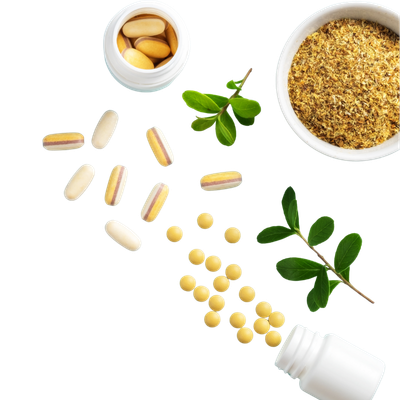
Supplements are optional tools, not a solution. Personal tracking and identifying your individual triggers remains the priority.
Where this information comes from
At MyHistaMap we curate information from peer reviewed research and recognized medical sources. This guide is a reference tool, not a medical prescription. Always track your own reactions and consult your healthcare provider.
References
- Ethanol Extract of Sesamum indicum Linn. Inhibits FcεRI-Mediated Allergic Reaction via Regulation of Lyn/Syk and Fyn Signaling Pathways in Rat Basophilic Leukemic RBL-2H3 Mast Cells: found that sesame seed extract inhibited mast cell degranulation in laboratory research, the opposite of a liberating effect. The source for this page's note on mast cell inhibition.
- Costello JF, Smith M, Stolarski C, Fituri N, The Oxalate Content of Sesame Seeds and Related Foods, Urolithiasis 2, 1994: measured oxalate and calcium content in sesame seeds, sesame oil, and sesame-based foods (tahina and halava), finding that oxalate is concentrated in the seed and its preparations, with less in hulled seeds and their products. The source for this page's oxalate classification.