This content is for informational purposes only and does not constitute medical advice. Always consult a qualified healthcare provider before making dietary changes. Histamine tolerance is highly individual.
This information applies to histamine intolerance, DAO deficiency, and MCAS only. If you have a confirmed food allergy, this content does not apply to you. Food allergies involve the immune system and can be life-threatening. Please consult your allergist.
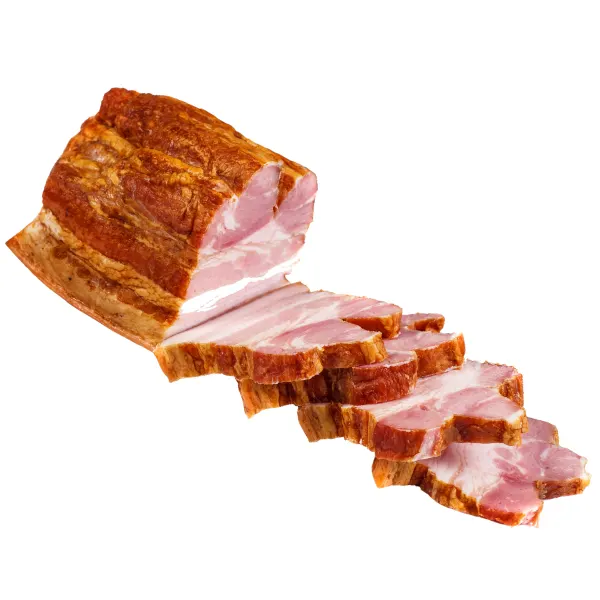
Is Smoked meat (any) a trigger for histamine intolerance?
Smoked meat (any) scores a 3 out of 3 on the SIGHI Food Compatibility List, placing it in the High category. Some reference sources also suggest it may be a histamine liberator, though even the source itself describes this as unconfirmed or suspected.
Smoked meat (any) & Histamine, what the evidence says
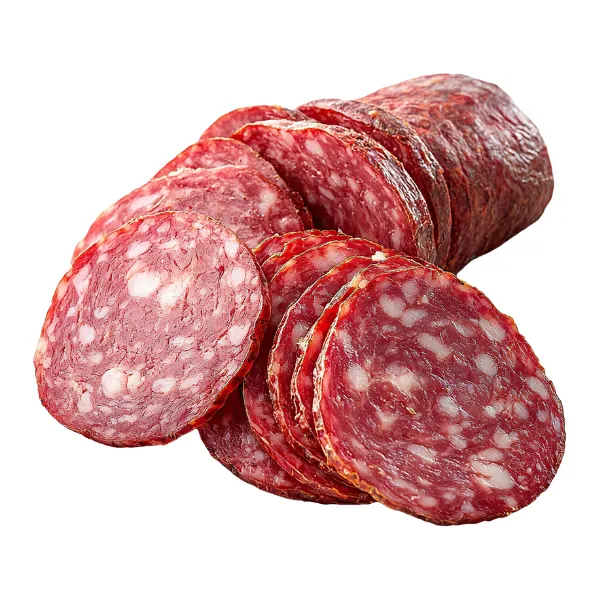
Smoking, especially traditional cold smoking, can involve hours or even days of exposure to smoke before the meat is considered finished. That extended processing time gives bacteria an opportunity to convert histidine into histamine, depending on the temperature, microorganisms present, and other conditions during the process. This is part of why smoked meat can rank among the higher-histamine forms of meat in reference sources, similar to some dry-cured or fermented products.
Separately, smoking meat over wood produces polycyclic aromatic hydrocarbons (PAHs), compounds formed when wood doesn't fully combust. Some of these, including benzo[a]pyrene, are associated with cancer risk with regular exposure over time. The amount produced varies considerably with the smoking conditions and type of wood used. Research comparing different woods has found meat smoked over spruce containing several times more benzo[a]pyrene than meat smoked over apple or alder wood. This has nothing to do with histamine and depends on how the meat is smoked rather than on histamine intolerance.
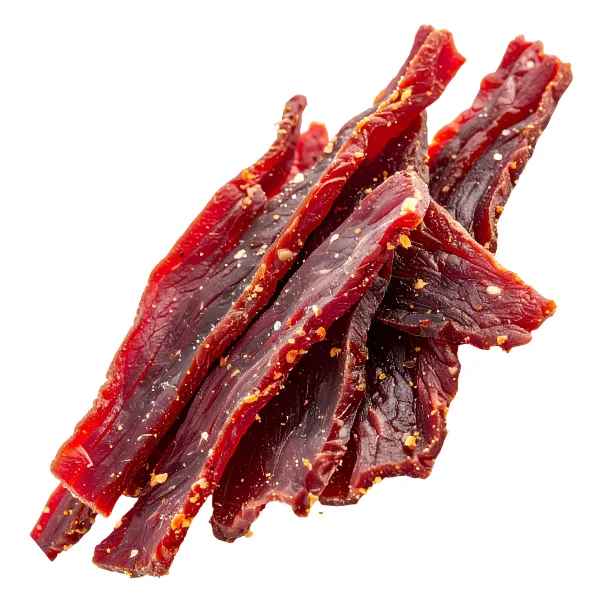
What's added during or after smoking can also change the picture. Plain smoked meat without heavy seasoning may have a simpler salicylate and FODMAP profile than products such as jerky, but marinades, rubs, or garlic-based seasonings can introduce additional considerations. Garlic, for example, is a concentrated source of fructans, a type of FODMAP, while the salicylate content depends on the specific herbs, spices, and other ingredients used.
Does preparation change the risk?
Smoking time and temperature drive histamine risk, while wood type and added seasonings are separate considerations worth checking.
| Form | Risk Level | Notes |
|---|---|---|
| Hot-smoked, shorter processing time | Moderate | Less time for bacterial activity than extended cold smoking |
| Traditional cold-smoked meat (extended time) | High | Extended processing time gives bacteria more opportunity to convert histidine into histamine |
| Plain smoked meat, no added seasoning | Moderate | Generally a simpler salicylate and FODMAP profile than heavily seasoned products |
| Smoked meat with garlic-based marinade or rub | High | Garlic is a concentrated FODMAP source, a separate consideration from the smoking process itself |
Note: Risk levels are based on clinical observations and patient reports, not standardized histamine measurements. Individual tolerance varies.
A food score is a reference, not a verdict.
Histamine intolerance is highly individual. A food that triggers symptoms in one person may be tolerated by another, even within the same category.
Strict elimination may help reduce symptoms initially, but long-term progress often depends on gradual reintroduction and pattern recognition. The goal is not to remove more foods over time, but to understand your personal tolerance and expand your diet when possible.
Tracking symptoms, portions, and context such as stress or timing can provide insights that generalized food lists cannot. This is where informed decisions replace fear-based restriction.
How to test your tolerance
 Consider hot-smoked over traditional cold-smoked when testing tolerance.
Shorter processing time generally means less opportunity for histamine to build up.
 Know that wood type affects PAH content, separate from histamine.
Research has found meat smoked over spruce containing several times more benzo[a]pyrene than meat smoked over apple or alder wood.
 Check for garlic-based marinades or rubs.
These introduce a separate FODMAP consideration from the smoking process itself.
 Freeze promptly if not eating right away.
This limits further bacterial activity once the smoking process is complete.
 Keep regular consumption of heavily smoked products in moderation.
This applies to the PAH consideration, which builds with repeated exposure over time rather than a single serving.
 Track the smoking method and ingredients in MyHistaMap.
Smoked meat varies considerably, so logging specifics helps identify your personal pattern.
Common questions about Smoked meat (any) and histamine
Why is smoked meat often higher in histamine?
Traditional smoking, especially cold smoking, can involve hours or days of processing time. That extended time gives bacteria an opportunity to convert histidine into histamine, depending on the specific conditions.
What are PAHs, and why do they matter in smoked meat?
Polycyclic aromatic hydrocarbons form when wood doesn't fully combust during smoking. Some, including benzo[a]pyrene, are associated with cancer risk with regular exposure. This has nothing to do with histamine and depends on smoking conditions and wood type.
Does the type of wood used for smoking matter?
Yes, for PAH content specifically. Research comparing different woods found meat smoked over spruce containing several times more benzo[a]pyrene than meat smoked over apple or alder wood.
Is all smoked meat high in FODMAPs?
Not necessarily. Plain smoked meat without heavy seasoning tends to have a simpler profile. Garlic-based marinades or rubs are what typically introduce a meaningful FODMAP consideration.
Some people find these options helpful





Supplements are optional tools, not a solution. Personal tracking and identifying your individual triggers remains the priority.
Where this information comes from
At MyHistaMap we curate information from peer reviewed research and recognized medical sources. This guide is a reference tool, not a medical prescription. Always track your own reactions and consult your healthcare provider.
References
- SIGHI (Swiss Interest Group Histamine Intolerance) Food Compatibility List: rates smoked meat of any kind at the highest histamine score. The source for this page's classification of smoked meat as a higher-histamine form.
- Stumpe-Vīksna et al., Polycyclic Aromatic Hydrocarbons in Meat Smoked with Different Types of Wood, Food Chemistry, 2008: found that wood type significantly affects PAH formation in smoked meat, with spruce producing the highest benzo[a]pyrene concentrations and apple and alder producing the lowest. The source for this page's PAH and wood type findings.
- Meat, Seafood, Eggs and Cooking Fats: Low FODMAP?, Monash University FODMAP Blog: confirms plain meat is inherently low in FODMAPs, and warns that marinades, rubs, or garlic-based seasonings can introduce meaningful FODMAP content. The source for this page's note on added seasonings.