This content is for informational purposes only and does not constitute medical advice. Always consult a qualified healthcare provider before making dietary changes. Histamine tolerance is highly individual.
This information applies to histamine intolerance, DAO deficiency, and MCAS only. If you have a confirmed food allergy, this content does not apply to you. Food allergies involve the immune system and can be life-threatening. Please consult your allergist.
Is Dried meat a trigger for histamine intolerance?
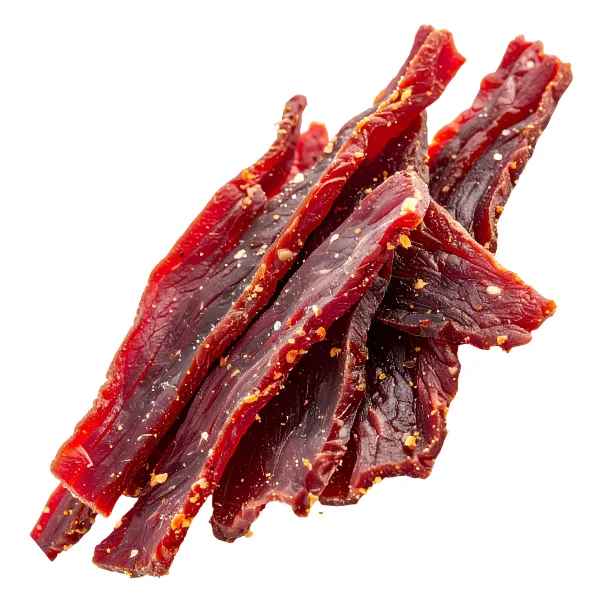
Dried meat scores a 3 out of 3 on the SIGHI Food Compatibility List, placing it in the High category. Some reference sources also suggest it may be a histamine liberator, though even the source itself describes this as unconfirmed or suspected.
Dried meat & Histamine, what the evidence says
Plain dried meat, made simply from meat and salt, starts with meat that is naturally low in histamine when it is fresh and handled carefully. Drying itself does not remove histamine; because it removes water, it can concentrate whatever histamine was already present in the meat. If bacterial activity also occurs during drying, aging, or storage, additional histamine can form. This means dried meat can have a substantially different histamine profile from a fresh cut of the same meat, even without curing agents or prolonged fermentation.
Separately, dried meat can carry a medication-related risk that has nothing to do with histamine intolerance directly: tyramine buildup in people taking monoamine oxidase inhibitors (MAOIs), a class of antidepressants. As meat ages, dries, or is exposed to bacterial activity during processing, tyrosine can be broken down into tyramine, and in someone taking an MAOI, this can build up and trigger a sudden, sharp spike in blood pressure known as a hypertensive crisis. Dried and cured meats are consistently included in clinical low-tyramine diet guidance for this reason, separate from histamine content specifically.
What can further change dried meat's overall profile is what gets added to it. Many commercial jerky and dried meat products contain spice blends that may include garlic powder, onion powder, black pepper, paprika, chili, or sweeteners such as honey. These ingredients introduce considerations separate from the meat itself: garlic and onion powder are concentrated sources of FODMAPs, while some spices can contribute meaningful amounts of salicylates, depending on the ingredient and quantity used. A plain, unseasoned dried meat and a heavily spiced or honey-cured version of the same product are therefore not necessarily the same food from a tolerance standpoint, even though they may be sold under the same general label.
Does preparation change the risk?
Whether dried meat is a problem depends more on what happened before drying and what was added during it than on the drying process itself.
| Form | Risk Level | Notes |
|---|---|---|
| Plain, unseasoned dried meat (fresh source, dried promptly) | Low | Minimal histamine buildup if the source meat was fresh and well handled before drying |
| Dried meat made from meat that sat too long before drying | High | Drying concentrates whatever histamine had already formed; handling before drying matters more than the drying itself |
| Commercial jerky with garlic or onion powder | High | These additives are concentrated FODMAP sources, a separate consideration from the meat's own histamine level |
| Honey-cured or heavily spiced jerky (paprika, chili) | Moderate | Added sugar and spice can raise FODMAP and salicylate content beyond the base meat |
| Aged, cured, or smoked dried meat | High | Also relevant for tyramine buildup in people taking MAOI antidepressants |
Note: Risk levels are based on clinical observations and patient reports, not standardized histamine measurements. Individual tolerance varies.
A food score is a reference, not a verdict.
Histamine intolerance is highly individual. A food that triggers symptoms in one person may be tolerated by another, even within the same category.
Strict elimination may help reduce symptoms initially, but long-term progress often depends on gradual reintroduction and pattern recognition. The goal is not to remove more foods over time, but to understand your personal tolerance and expand your diet when possible.
Tracking symptoms, portions, and context such as stress or timing can provide insights that generalized food lists cannot. This is where informed decisions replace fear-based restriction.
How to test your tolerance
 Check the ingredient list, not just the word jerky.
Plain meat and salt behaves very differently from a blend loaded with garlic and onion powder.
 Look for garlic and onion-free options if FODMAPs are a concern.
Some brands make this a selling point, since these two ingredients are among the strongest FODMAP sources in most jerky.
 Prioritize meat that was dried promptly after processing.
Most of the histamine content comes from what happened to the meat before it ever reached the dehydrator, not from the drying itself.
 Know the medication interaction if you take an MAOI.
Dried and cured meats are consistently named in low-tyramine diet guidance, separate from histamine.
- Watch for honey or brown sugar in the ingredients.
Sugar-based cures add fructose, which is relevant if FODMAPs specifically bother you.
 Track the brand and spice blend in MyHistaMap.
Two jerky products can behave very differently depending on what was added, so logging specifics helps more than logging just "jerky."
Common questions about Dried meat and histamine
Is all jerky high in histamine?
Not necessarily. Plain dried meat made from fresh, well-handled meat is fairly low in histamine. Dehydration concentrates whatever histamine was already there, so meat that sat around too long before drying ends up higher, while meat dried promptly tends to stay lower.
Why do I react to some jerky brands but not others?
Spice blends vary a lot between brands. Garlic powder and onion powder, both common in jerky seasoning, are strong FODMAP sources with nothing to do with histamine, and could explain a reaction the meat itself wouldn't cause.
Can jerky affect me if I take an antidepressant?
Possibly. Dried and cured meats are commonly included in low-tyramine diet guidance for people taking MAOI antidepressants. This is a separate medication interaction, not a histamine intolerance symptom.
Is homemade jerky safer than store-bought?
It can be, mainly because you control the ingredients. Skipping garlic powder, onion powder, and heavy spice blends removes several considerations that have nothing to do with the meat's own histamine content.
Some people find these options helpful





Supplements are optional tools, not a solution. Personal tracking and identifying your individual triggers remains the priority.
Where this information comes from
At MyHistaMap we curate information from peer reviewed research and recognized medical sources. This guide is a reference tool, not a medical prescription. Always track your own reactions and consult your healthcare provider.
References
- McCabe BJ, Dietary Tyramine and Other Pressor Amines in MAOI Regimens: A Review, Journal of the American Dietetic Association, 1986: establishes that any food rich in aromatic amino acids can become high in tyramine through aging, drying, or spoilage, and the resulting hypertensive crisis risk for people taking MAOI antidepressants. The source for this page's tyramine-MAOI section.
- Meat, Seafood, Eggs and Cooking Fats: Low FODMAP?, Monash University FODMAP Blog: confirms plain meat is inherently low in FODMAPs, and specifically warns that marinated or seasoned meats may contain high-FODMAP ingredients such as garlic and onion. The source for this page's distinction between plain dried meat and seasoned jerky.
- RPAH Elimination Diet Handbook, Swain, Soutter & Loblay, Royal Prince Alfred Hospital Allergy Unit, 2011: classifies common spices, including black pepper, paprika, and chili, as salicylate sources, and lists dried, jerky, and other processed meat products separately from fresh, unprocessed meat. The source for this page's note on spice-driven salicylate content in jerky.