This content is for informational purposes only and does not constitute medical advice. Always consult a qualified healthcare provider before making dietary changes. Histamine tolerance is highly individual.
This information applies to histamine intolerance, DAO deficiency, and MCAS only. If you have a confirmed food allergy, this content does not apply to you. Food allergies involve the immune system and can be life-threatening. Please consult your allergist.
Is Smoked Salmon a trigger for histamine intolerance?
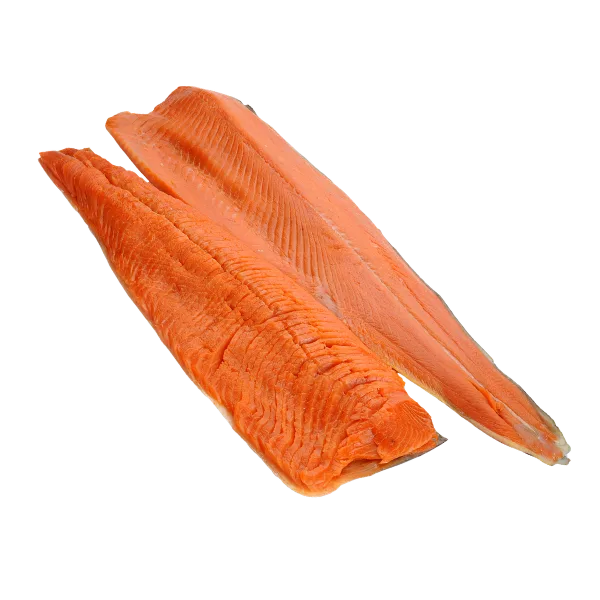
Smoked Salmon scores a 2 out of 3 on the SIGHI Food Compatibility List, placing it in the Moderate category.
Smoked Salmon & Histamine, what the evidence says
Smoked salmon is not associated with meaningful oxalate or lectin content, given that it is an animal protein.
Separately from histamine, cold-smoked salmon, the type commonly sold as ready-to-eat lox or deli-style smoked salmon, does not undergo a full cooking process during production. This is why refrigerated ready-to-eat smoked seafood is a recognized food safety concern for Listeria monocytogenes, a bacterium that can cause serious illness in certain groups. Pregnant women, adults over 65, and people with a weakened immune system are at higher risk of severe listeriosis and are advised to avoid refrigerated smoked seafood unless it is thoroughly cooked first. For most healthy people, the overall risk of serious illness is low, but listeriosis can cause severe complications such as meningitis and sepsis, and during pregnancy it can lead to miscarriage or serious illness in a newborn.
Thoroughly cooking cold-smoked salmon until steaming hot throughout, such as when it is incorporated into a quiche or pasta dish, kills Listeria that may be present. Simply warming it through may not be sufficient.
Does preparation change the risk?
Whether smoked salmon is cold-smoked and ready-to-eat or cooked matters far more here than histamine content, and this is a Listeria consideration separate from histamine.
| Form | Risk Level | Notes |
|---|---|---|
| Hot-smoked salmon, fully heat-treated | Low | Lower Listeria risk than cold-smoked due to higher processing temperatures |
| Cold-smoked salmon, cooked into a dish | Low | Cooking until steaming hot throughout kills Listeria |
| Cold-smoked salmon (lox, deli-style), eaten as-is | High | Directly implicated in a documented UK outbreak; particularly relevant for pregnant women, older adults, and people with a weakened immune system |
Note: Risk levels are based on clinical observations and patient reports, not standardized histamine measurements. Individual tolerance varies.
A food score is a reference, not a verdict.
Histamine intolerance is highly individual. A food that triggers symptoms in one person may be tolerated by another, even within the same category.
Strict elimination may help reduce symptoms initially, but long-term progress often depends on gradual reintroduction and pattern recognition. The goal is not to remove more foods over time, but to understand your personal tolerance and expand your diet when possible.
Tracking symptoms, portions, and context such as stress or timing can provide insights that generalized food lists cannot. This is where informed decisions replace fear-based restriction.
How to test your tolerance
 Know if you're in a higher-risk group.
Pregnant women, people with a weakened immune system, and older adults face a higher risk of severe illness from Listeria in cold-smoked salmon.
 Cook cold-smoked salmon until steaming hot throughout.
Just warming it through in a dish may not be enough to kill Listeria. It needs to be thoroughly heated.
 Be aware of the documented UK outbreak.
Smoked salmon products from a Scottish smoking facility have been directly linked to an ongoing Listeria outbreak, with real recalls in both the UK and US.
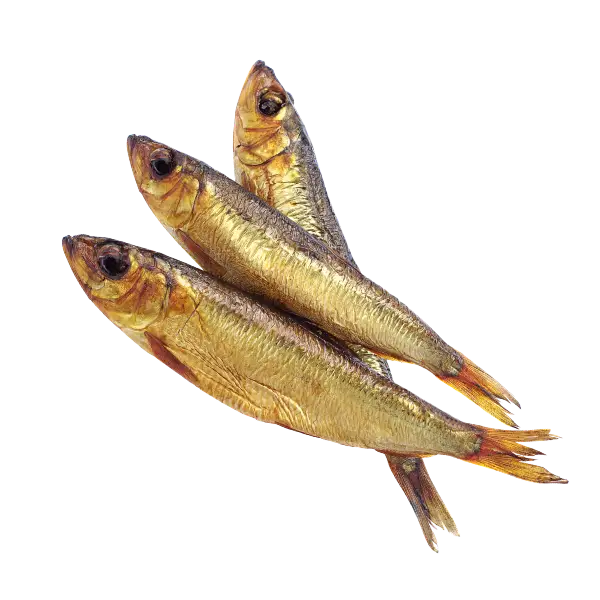
 Hot-smoked carries lower but not zero risk.
Higher processing temperatures reduce Listeria risk compared to cold-smoked salmon, but contamination can still occur after processing.
 Track your response.
Log whether the salmon was cold-smoked or hot-smoked, and whether it was cooked further, using MyHistaMap.
Common questions about Smoked Salmon and histamine
Is smoked salmon safe to eat?
Separately from histamine, cold-smoked salmon carries a documented Listeria risk, including an ongoing UK outbreak linked to products from a Scottish smoking facility. Pregnant women and people with a weakened immune system are advised to avoid it or cook it thoroughly.
Was there a real recall involving smoked salmon?
Yes. In December 2022, Lidl recalled specific smoked salmon products in the UK after testing found Listeria monocytogenes linked to the outbreak. Separately, the producer recalled Scottish smoked salmon in the US in September 2022 for the same reason.
Is hot-smoked salmon safer than cold-smoked salmon?
Yes, hot-smoked salmon carries a lower Listeria risk because of the higher temperatures used in processing, though it isn't completely risk-free due to possible contamination after processing.
How should I cook cold-smoked salmon to make it safer?
Cook it until steaming hot throughout, such as in a quiche or pasta dish. Simply warming it through may not be sufficient to kill Listeria.
Some people find these options helpful





Supplements are optional tools, not a solution. Personal tracking and identifying your individual triggers remains the priority.
Where this information comes from
At MyHistaMap we curate information from peer reviewed research and recognized medical sources. This guide is a reference tool, not a medical prescription. Always track your own reactions and consult your healthcare provider.
References
- Updated: Lidl GB recalls several Smoked Trout and Smoked Salmon products because of possible contamination with Listeria monocytogenes, UK Food Standards Agency, December 2022: confirms the recall of specific Lidl smoked salmon products, including Deluxe Mild & Delicate Smoked Scottish Salmon and Lighthouse Bay Smoked Scottish Salmon Trimmings, produced by St James Smokehouse, due to possible Listeria monocytogenes contamination linked to the outbreak investigation. The primary source for this page's UK recall details.
- St. James Smokehouse Voluntary Recalls Scotch Reserve Scottish Smoked Salmon, U.S. FDA, September 2022: confirms the voluntary recall of 93 cases of Scotch Reserve Scottish Smoked Salmon in the U.S. due to Listeria monocytogenes contamination. The source for this page's U.S. recall details.
- Reminder about smoked fish risk as Listeria outbreak continues, Food Safety News, December 2024: reports 24 linked cases of listeriosis in the UK since 2020, with 4 deaths, in the outbreak investigation involving St. James Smokehouse products. The source for this page's updated outbreak figures.
- FSS and FSA issue updated advice to higher-risk consumers on ready-to-eat cold-smoked and cured fish, Food Standards Scotland: confirms cold-smoked salmon does not undergo a full cooking process, advises pregnant women and people with a weakened immune system to avoid it or cook it thoroughly, and confirms cooking until steaming hot throughout kills Listeria. The source for this page's risk classification and cooking guidance.
- Preventing Listeria Infection, U.S. Centers for Disease Control and Prevention (CDC): identifies pregnant women, newborns, people 65 years or older, and people with a weakened immune system as being at higher risk, and advises avoiding refrigerated smoked fish. The source for this page's higher-risk groups and the advice on refrigerated smoked seafood.