This content is for informational purposes only and does not constitute medical advice. Always consult a qualified healthcare provider before making dietary changes. Histamine tolerance is highly individual.
This information applies to histamine intolerance, DAO deficiency, and MCAS only. If you have a confirmed food allergy, this content does not apply to you. Food allergies involve the immune system and can be life-threatening. Please consult your allergist.
Is Snow peas a trigger for histamine intolerance?
Snow peas scores a 1 out of 3 on the SIGHI Food Compatibility List, placing it in the Low category.
Snow peas & Histamine, what the evidence says
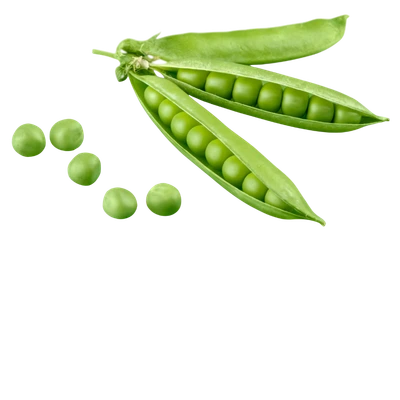
Snow peas are generally considered a food with some uncertainty around histamine tolerance. Unlike mature dried legumes, snow peas are harvested while the seeds are still immature and the pod is still tender, so their nutritional composition is quite different from foods such as dried beans and lentils. They aren't commonly associated with a high pre-formed histamine content, but individual tolerance can vary.
Because snow peas are eaten at an immature stage, they generally contain less lectin than mature legumes, and cooking further reduces the lectin content. They also contain galacto-oligosaccharides (GOS), a type of fermentable carbohydrate that can cause gas and bloating in people who are sensitive to FODMAPs. These digestive symptoms are separate from histamine and don't necessarily indicate a histamine reaction.
Does preparation change the risk?
Freshness and cooking method are among the most important variables for snow pea tolerance. Canned versions and restaurant preparations that typically include higher-histamine sauces are worth approaching with more caution.
| Form | Risk Level | Notes |
|---|---|---|
| Fresh snow peas | Low | Generally best tolerated; look for bright green, crisp pods |
| Frozen snow peas | Low | Generally fine, since they're blanched and frozen quickly |
| Cooked / Steamed | Low | Cooking reduces lectin content further, which may improve tolerance |
| Canned snow peas | Moderate | The canning liquid can sometimes accumulate biogenic amines |
| Stir-fry (restaurant) | High | Often paired with soy sauce and MSG, both higher-risk ingredients |
Note: Risk levels are based on clinical observations and patient reports, not standardized histamine measurements. Individual tolerance varies.
A food score is a reference, not a verdict.
Histamine intolerance is highly individual. A food that triggers symptoms in one person may be tolerated by another, even within the same category.
Strict elimination may help reduce symptoms initially, but long-term progress often depends on gradual reintroduction and pattern recognition. The goal is not to remove more foods over time, but to understand your personal tolerance and expand your diet when possible.
Tracking symptoms, portions, and context such as stress or timing can provide insights that generalized food lists cannot. This is where informed decisions replace fear-based restriction.
How to test your tolerance
 Lectin mitigation.
Steaming snow peas tends to be better tolerated than eating them raw, since heat further reduces the already-lower lectin content of immature pods.
 FODMAP awareness.
If bloating happens fairly quickly, the reaction may be more related to GOS (FODMAPs) than to histamine specifically.
 String removal.
Removing the lateral fiber (the string) can improve digestibility and reduce mechanical irritation for some people.
 Freshness indicator.
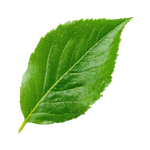
Pods with yellow spots or soft skin are worth avoiding, since vegetable degradation can signal the start of secondary amine production.
 Tracking protocol.
Use the MyHistaMap app to record whether your tolerance varies based on the cooking method used.
Common questions about Snow peas and histamine
Are snow peas safer than garden peas?
They have a fairly similar profile, though eating the young pod changes the starch and anti-nutrient load somewhat. Individual tolerance is the most reliable guide for either.
Why aren't snow peas considered fully neutral?
Reference lists don't fully agree on snow peas specifically, and their GOS content can cause digestive symptoms in people sensitive to FODMAPs, which is a separate issue from histamine.
Do snow peas contain salicylates?
Yes, but generally at low levels that rarely trigger a reaction unless someone has notable salicylate sensitivity.
Can I eat snow peas during an elimination diet?
They're generally allowed in moderation, but if symptoms persist, temporarily removing them can help rule out a FODMAP or individual sensitivity rather than assuming it's histamine.
Some people find these options helpful
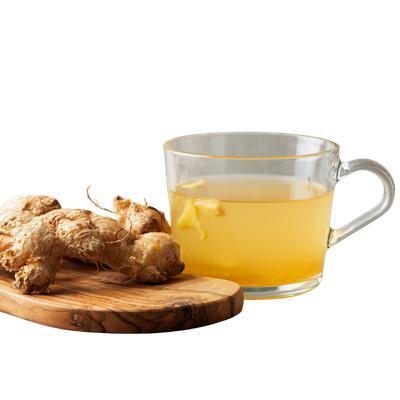
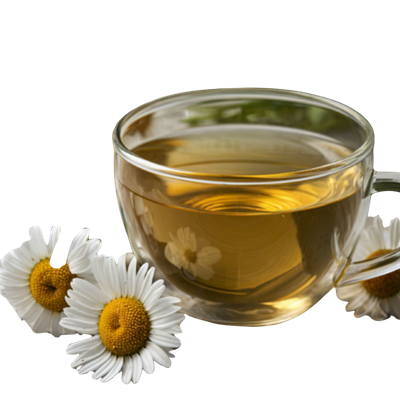
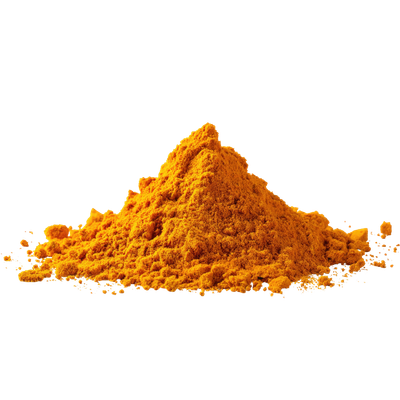
Supplements are optional tools, not a solution. Personal tracking and identifying your individual triggers remains the priority.
Where this information comes from
At MyHistaMap we curate information from peer reviewed research and recognized medical sources. This guide is a reference tool, not a medical prescription. Always track your own reactions and consult your healthcare provider.
References
- SIGHI (Swiss Interest Group Histamine Intolerance) Food Compatibility List, version 2024-08-29: rates snow peas, peas, and green beans 1 with no liberator, amine, or blocker designation, while a separate, broader entry for legumes generally (soy, beans, pulses, peas, lentils) is rated 2 and marked A and L. This inconsistency between the specific and general entries is why this page treats the liberator classification for snow peas as uncertain rather than settled.
- Research advances and prospects of legume lectins, PMC: describes how legume lectins accumulate mainly in mature seeds during storage protein development, supporting why immature pods like snow peas contain less lectin than mature dried legumes such as kidney beans.