This content is for informational purposes only and does not constitute medical advice. Always consult a qualified healthcare provider before making dietary changes. Histamine tolerance is highly individual.
This information applies to histamine intolerance, DAO deficiency, and MCAS only. If you have a confirmed food allergy, this content does not apply to you. Food allergies involve the immune system and can be life-threatening. Please consult your allergist.
Is Soy beans / soy flour a trigger for histamine intolerance?
Soy beans / soy flour scores a 2 out of 3 on the SIGHI Food Compatibility List, placing it in the Moderate category.
Soy beans / soy flour & Histamine, what the evidence says
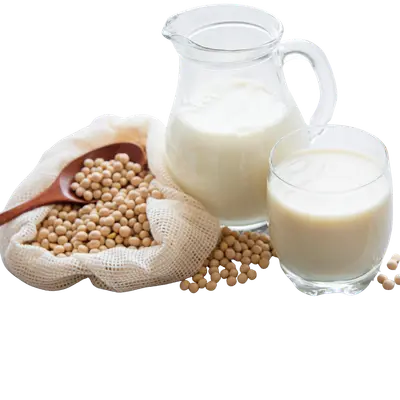
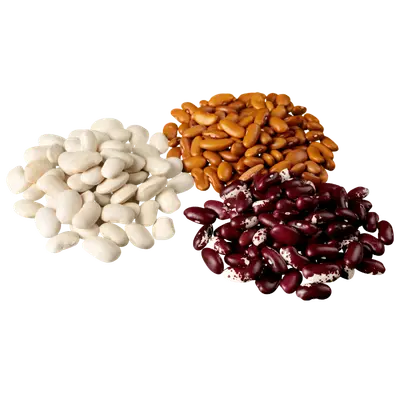
Soybeans are not generally considered a significant source of pre-formed histamine, but they are classified as a potential histamine liberator on some reference lists. This means they are considered capable of triggering histamine release in some people independently of the histamine already present in the food. Their classification is therefore different from foods where the main concern is histamine produced during fermentation or aging.
Soybeans also contain naturally occurring antinutritional compounds, including lectins and trypsin inhibitors. These are substantially reduced by proper cooking, which is why raw or inadequately cooked soybeans are not considered an appropriate way to consume them. Unlike fermented soy products such as soy sauce, miso, or tempeh, plain cooked soybeans have not undergone the prolonged microbial fermentation that can lead to substantial accumulation of biogenic amines.
Does preparation change the risk?
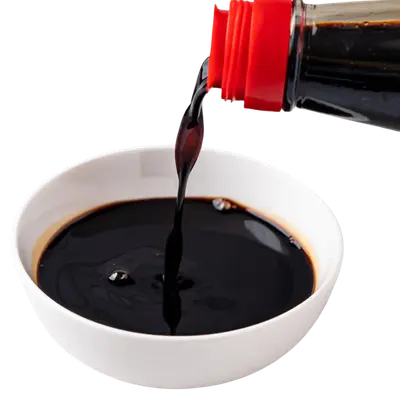
The fermentation level is one of the most important variables for soy tolerance. Unfermented forms are generally gentler than fermented products like soy sauce or miso, which tend to reach the higher end of the risk spectrum.
| Form | Risk Level | Notes |
|---|---|---|
| Edamame (fresh/frozen, cooked) | Moderate | Unfermented; may act as a liberator but tends to be lower in amines |
| Tofu (fresh) | Moderate | Processed but not fermented; tolerance varies per individual |
| Soy milk | Moderate | Amine levels tend to be stable, but the liberation effect remains a factor |
| Soy sauce / Miso | High | Fermentation tends to raise these to the higher-risk category |
| Soy sprouts | Moderate | Often better tolerated than the dry bean, but still considered a liberator |
| Soy lecithin | Low | Highly purified fat; generally lacks the proteins associated with reactions |
Note: Risk levels are based on clinical observations and patient reports, not standardized histamine measurements. Individual tolerance varies.
A food score is a reference, not a verdict.
Histamine intolerance is highly individual. A food that triggers symptoms in one person may be tolerated by another, even within the same category.
Strict elimination may help reduce symptoms initially, but long-term progress often depends on gradual reintroduction and pattern recognition. The goal is not to remove more foods over time, but to understand your personal tolerance and expand your diet when possible.
Tracking symptoms, portions, and context such as stress or timing can provide insights that generalized food lists cannot. This is where informed decisions replace fear-based restriction.
How to test your tolerance
 The liberation effect.
Even at a moderate level, soy can contribute to symptoms by prompting the release of your body's stored histamine. It tends to add to overall load rather than act as an immediate trigger.
 Cook it properly.
Soybeans have among the highest measured levels of lectins and trypsin inhibitors of common legumes. Thorough cooking substantially reduces both, so raw or undercooked soybeans should be avoided.
 Oxalate content.
Soy is notably high in oxalates compared to other legumes. If you have a history of kidney stones or joint discomfort, this food is worth approaching with extra care regardless of histamine levels.
 Hidden ingredients.
Checking labels on processed breads and veggie burgers is worthwhile, since soy flour or textured protein can be a hidden trigger.
 Tracking protocol.
Use MyHistaMap to see whether you can tolerate small amounts of tofu while avoiding higher-impact forms like soy sauce.
Common questions about Soy beans / soy flour and histamine
Is tofu safer than soy sauce?
Generally, yes. Tofu is unfermented and hasn't accumulated the biogenic amines that fermentation produces, though it remains a moderate-risk trigger due to its liberator classification.
Can I drink soy milk daily?
It's generally not recommended during the elimination phase. Coconut or rice milk tend to be gentler, lower-risk alternatives.
Does cooking soy reduce histamine?
Not directly, since plain soy isn't a significant histamine source to begin with. Cooking does substantially reduce lectins and trypsin inhibitors, and is necessary for safe digestion, but it doesn't change the liberator classification.
Is soy lecithin safe for histamine intolerance?
Generally, yes. Lecithin is a fat (phospholipid) and lacks the protein compounds associated with most histamine-related issues.
Some people find these options helpful

Supplements are optional tools, not a solution. Personal tracking and identifying your individual triggers remains the priority.
Where this information comes from
At MyHistaMap we curate information from peer reviewed research and recognized medical sources. This guide is a reference tool, not a medical prescription. Always track your own reactions and consult your healthcare provider.
References
- SIGHI (Swiss Interest Group Histamine Intolerance) Food Compatibility List: lists 'legumes (soy, beans, pulses, peas, lentils...)' with a histamine value of 2, marked both 'A' (other amines) and 'L' (liberator). This is the source for soy's liberator classification referenced on this page.
- Changes in Levels of Phytic Acid, Lectins and Oxalates During Soaking and Cooking of Canadian Pulses: found that raw soybean had the highest levels of lectins (692.8 HU/mg), phytic acid, and total oxalate (370.5 mg/100g) among all legumes tested, and that cooking substantially reduced these antinutritional factors. This is the source for the lectin, trypsin inhibitor, and oxalate content referenced on this page.