This content is for informational purposes only and does not constitute medical advice. Always consult a qualified healthcare provider before making dietary changes. Histamine tolerance is highly individual.
This information applies to histamine intolerance, DAO deficiency, and MCAS only. If you have a confirmed food allergy, this content does not apply to you. Food allergies involve the immune system and can be life-threatening. Please consult your allergist.
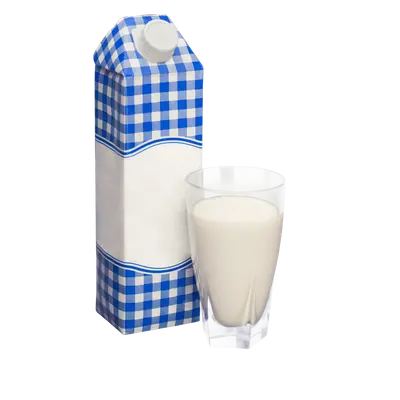
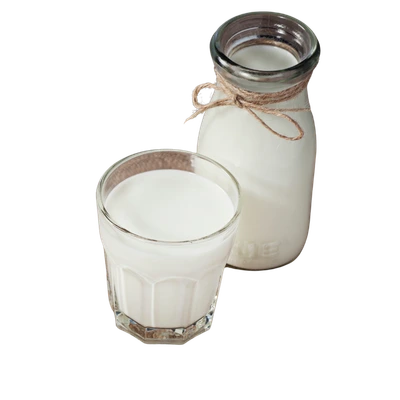
Is UHT milk a trigger for histamine intolerance?
UHT milk scores a 0 out of 3 on the SIGHI Food Compatibility List, placing it in the Safe category.
UHT milk & Histamine, what the evidence says
UHT milk undergoes a short, intense heat treatment, typically around 130-150°C, followed by aseptic packaging. This process greatly reduces microbial activity and gives unopened UHT milk its long shelf life. Because microbial activity is an important factor in the formation of biogenic amines such as histamine, an intact UHT package provides much less opportunity for this type of formation during storage.
UHT milk can be a convenient option for people managing histamine intolerance who travel or cannot always access very fresh milk. The heat treatment does not remove lactose, however, so lactose tolerance remains a separate consideration. Lactose that isn't fully digested can cause gastrointestinal symptoms such as bloating, gas, or discomfort, which can occur independently of histamine.
Does preparation change the risk?
Packaging integrity and additive content are the most relevant factors for histamine risk in UHT milk. Plain, unsupplemented varieties are generally the gentlest choice for sensitive individuals.
| Form | Risk Level | Notes |
|---|---|---|
| Whole UHT | Low | Standard sterile milk; minimal opportunity for amine formation while sealed |
| Skimmed / Semi UHT | Low | Generally fine; fat adjustment doesn't meaningfully change histamine risk |
| Evaporated (UHT) | Low | Concentrated but still sterile; worth checking for stabilizers like carrageenan |
| Fortified UHT | Moderate | Added vitamins or minerals can occasionally be a trigger for sensitive individuals |
Note: Risk levels are based on clinical observations and patient reports, not standardized histamine measurements. Individual tolerance varies.
A food score is a reference, not a verdict.
Histamine intolerance is highly individual. A food that triggers symptoms in one person may be tolerated by another, even within the same category.
Strict elimination may help reduce symptoms initially, but long-term progress often depends on gradual reintroduction and pattern recognition. The goal is not to remove more foods over time, but to understand your personal tolerance and expand your diet when possible.
Tracking symptoms, portions, and context such as stress or timing can provide insights that generalized food lists cannot. This is where informed decisions replace fear-based restriction.
How to test your tolerance
 Seal integrity.
Consuming UHT milk only from containers that are fully intact is a good practice. Any swelling of the carton is a sign of bacterial contamination and higher amine risk.
 Post-opening care.
The "long-life" status disappears once the seal is broken. It should be treated like fresh milk from that point: refrigerated and consumed within 48 hours.
 Check the label.
Some UHT milks add phosphates or stabilizers for texture. For a simpler approach, looking for "100% Milk" as the only ingredient can help.
 Nutritional stability.
While sterile, UHT milk has somewhat fewer heat-sensitive vitamins, like B12, than pasteurized milk, which are relevant for overall nutrition.
 Tracking protocol.
Use MyHistaMap to monitor symptoms specifically after opening a new carton, checking if your tolerance changes as the milk sits in the fridge for its second day.
Common questions about UHT milk and histamine
Is UHT milk "dead" milk?
It's sterile, meaning it has no live bacteria. For someone managing histamine intolerance, this is generally a positive attribute, since it helps prevent the uncontrolled microbial activity that creates biogenic amines.
Why does UHT milk taste different?
The high heat causes some caramelization of sugars (a Maillard reaction), which changes flavor but is a separate chemical process from biogenic amine formation.
Can I store opened UHT milk at room temperature?
Not really. Once opened, it's vulnerable to environmental bacteria, so it becomes a higher-risk food if left out of the refrigerator.
Is UHT milk better for histamine intolerance than raw milk?
Generally, yes, and by a fair margin. Raw milk carries a higher bacterial load that can produce biogenic amines fairly quickly if the cold chain fluctuates even slightly.
Some people find these options helpful

Supplements are optional tools, not a solution. Personal tracking and identifying your individual triggers remains the priority.
Where this information comes from
At MyHistaMap we curate information from peer reviewed research and recognized medical sources. This guide is a reference tool, not a medical prescription. Always track your own reactions and consult your healthcare provider.
References
- Factors Influencing Biogenic Amines Accumulation in Dairy Products, Frontiers in Microbiology, 2012: explains that biogenic amine formation in dairy occurs through bacterial decarboxylase activity, requiring both amino acid substrates and microorganisms with the right metabolic pathway. This is the source for the microbial-activity mechanism referenced on this page.
- Histamine Intolerance: Dietary Approach, SIBO Academy: notes that UHT milk contains only small amounts of histamine and is generally suitable for people with histamine intolerance, while noting that fresh milk generally contains even less. This is the source for the small-amounts framing referenced on this page.