This content is for informational purposes only and does not constitute medical advice. Always consult a qualified healthcare provider before making dietary changes. Histamine tolerance is highly individual.
This information applies to histamine intolerance, DAO deficiency, and MCAS only. If you have a confirmed food allergy, this content does not apply to you. Food allergies involve the immune system and can be life-threatening. Please consult your allergist.
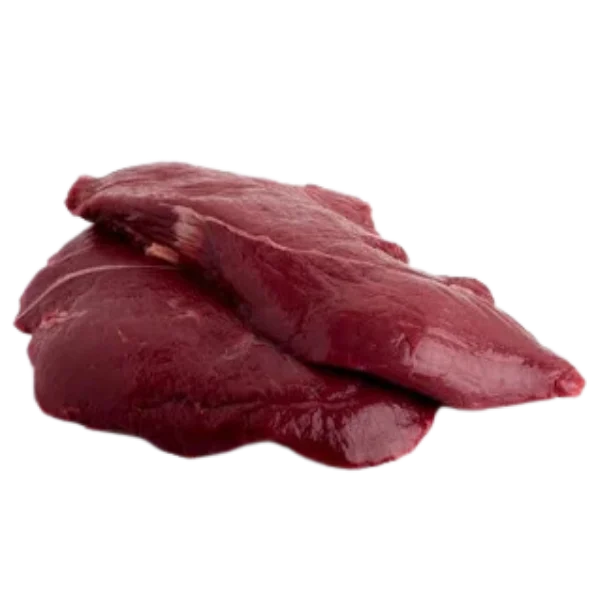
Is Venison a trigger for histamine intolerance?
Venison scores a 1 out of 3 on the SIGHI Food Compatibility List, placing it in the Low category.
Venison & Histamine, what the evidence says
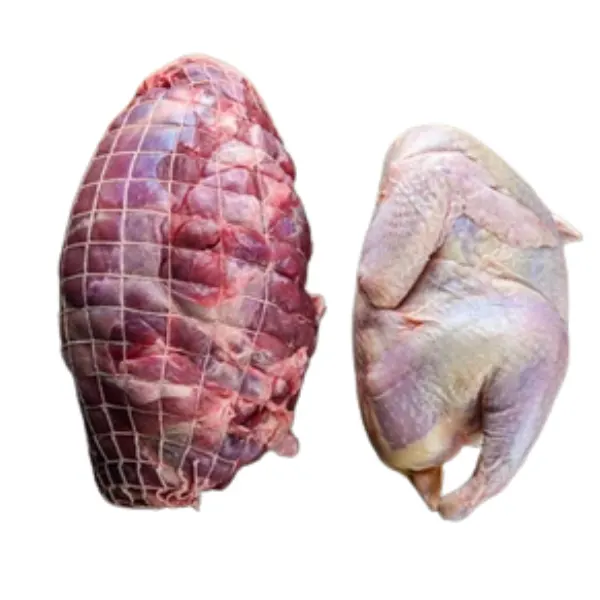
Venison follows the same hanging-related pattern described for game meat generally: it's traditionally hung after the animal is harvested to tenderize the meat, and that extended storage period can allow bacteria to convert histidine into histamine, depending on the time, temperature, and handling conditions. How long it's hung, and at what temperature, therefore matters more than anything specific to deer.
Separately, venison carries a food safety consideration that has nothing to do with histamine: chronic wasting disease (CWD), a prion disease affecting deer, elk, moose, and related cervid species in parts of North America and elsewhere. No cases of CWD have been confirmed in people to date, but health authorities recommend having harvested deer and other cervids tested in areas where CWD has been detected and avoiding meat from animals that test positive. Infected animals can appear outwardly healthy, which is part of why testing is important rather than relying on how the animal looks.
Does preparation change the risk?
Hanging time and temperature drive venison's histamine risk, while CWD testing is a separate consideration tied to where and how the animal was harvested.
| Form | Risk Level | Notes |
|---|---|---|
| Fresh venison, minimal hanging | Low | Less time for bacteria to convert histidine into histamine |
| Venison hung briefly under controlled cold storage | Moderate | Traditional short hanging for tenderness, within a controlled cold environment |
| Venison hung for an extended period or at inconsistent temperatures | High | More time and less temperature control gives bacteria more opportunity to act |
| Venison from an untested animal in a CWD-affected area | High | A food safety consideration separate from histamine; testing is recommended before eating |
Note: Risk levels are based on clinical observations and patient reports, not standardized histamine measurements. Individual tolerance varies.
A food score is a reference, not a verdict.
Histamine intolerance is highly individual. A food that triggers symptoms in one person may be tolerated by another, even within the same category.
Strict elimination may help reduce symptoms initially, but long-term progress often depends on gradual reintroduction and pattern recognition. The goal is not to remove more foods over time, but to understand your personal tolerance and expand your diet when possible.
Tracking symptoms, portions, and context such as stress or timing can provide insights that generalized food lists cannot. This is where informed decisions replace fear-based restriction.
How to test your tolerance
 Ask about hanging time and temperature.
If you're getting venison from a hunter or processor directly, this is the most useful question you can ask.
 Have harvested deer tested for CWD in affected areas.
This is a separate food safety consideration from histamine, and infected animals can look outwardly healthy.
- Favor venison kept consistently cold during hanging.
Temperature control matters as much as the length of time for limiting histamine buildup.
- Freeze promptly once the hanging period is done.
This stops further amine buildup at the point the meat was processed.
 Avoid meat from any animal that tests positive for CWD.
Health authorities recommend this regardless of how the animal appeared.
 Track hanging time and source in MyHistaMap.
Venison varies more than farmed meat, so logging specifics helps identify your personal pattern.
Common questions about Venison and histamine
Why does hanging time matter so much for venison?
Hanging is a traditional step to tenderize the meat, and that extended time can allow bacteria to convert histidine into histamine, depending on temperature and handling. Longer hanging at inconsistent temperatures gives more opportunity for this to happen.
What is chronic wasting disease, and does it affect histamine?
Chronic wasting disease (CWD) is a prion disease affecting deer, elk, moose, and related species. It has nothing to do with histamine; it's a separate food safety consideration that health authorities recommend testing for in affected areas.
Can I tell if a deer has CWD just by looking at it?
No. Infected animals can appear outwardly healthy, which is why testing is recommended in areas where CWD has been detected, rather than relying on appearance.
How long can venison hang before histamine becomes a concern?
There isn't a single fixed answer, since it depends on temperature and handling conditions throughout the hanging period. Consistent, cold storage for a shorter, controlled period is generally the safer approach.
Some people find these options helpful





Supplements are optional tools, not a solution. Personal tracking and identifying your individual triggers remains the priority.
Where this information comes from
At MyHistaMap we curate information from peer reviewed research and recognized medical sources. This guide is a reference tool, not a medical prescription. Always track your own reactions and consult your healthcare provider.
References
- SIGHI (Swiss Interest Group Histamine Intolerance) Food Compatibility List: notes venison as mostly matured (hung) meat. The source for this page's note on venison's traditional hanging process.
- Chronic Wasting Disease and Human Health, Virginia Department of Wildlife Resources: states that no cases of CWD have been confirmed in people to date, but recommends testing deer harvested in known CWD-affected areas before eating the meat, and discarding meat from animals that test positive. The source for this page's CWD section.