This content is for informational purposes only and does not constitute medical advice. Always consult a qualified healthcare provider before making dietary changes. Histamine tolerance is highly individual.
This information applies to histamine intolerance, DAO deficiency, and MCAS only. If you have a confirmed food allergy, this content does not apply to you. Food allergies involve the immune system and can be life-threatening. Please consult your allergist.
Is Radishes, mild varieties a trigger for histamine intolerance?
Radishes, mild varieties scores a 0 out of 3 on the SIGHI Food Compatibility List, placing it in the Safe category.
Radishes, mild varieties & Histamine, what the evidence says
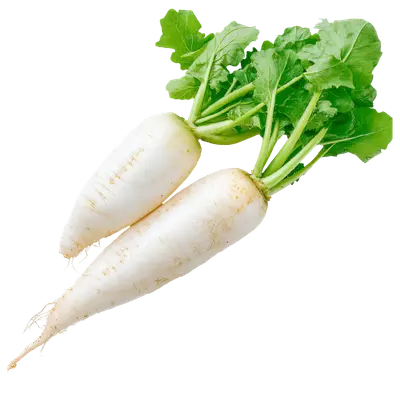
Mild radish varieties, most commonly daikon, are generally considered low in histamine. They are relatively low in salicylates and oxalates compared with many other vegetables, making them a useful option for people managing histamine intolerance alongside other food sensitivities. This distinguishes them from hot, pungent radish varieties, which are noted on some reference lists with a mild histamine caution.
Daikon contains naturally occurring enzymes, including amylase and esterase, which are involved in breaking down starches and fats. These enzymes are sensitive to heat and are largely deactivated by cooking, which is why raw, grated daikon is traditionally served alongside starchy or fatty foods in some cuisines. The enzymes can act on food while it is being eaten, although their contribution to digestion after the food reaches the digestive tract is less clear.
Daikon also contains isothiocyanates, sulfur-containing compounds that have been studied for their ability to activate enzymes involved in cellular defense and detoxification. This research is nutritional rather than histamine-specific, and much of the evidence comes from laboratory studies. Large amounts of raw daikon can also cause digestive discomfort in some people because of its fiber and pungent compounds, so portion size can still matter even when the food itself is generally well tolerated.
Does preparation change the risk?
Most forms of mild radish varieties are generally well tolerated. The main form to approach with more caution is pickled or fermented, since fermentation tends to create higher histamine levels regardless of the food's typically favorable profile.
| Form | Risk Level | Notes |
|---|---|---|
| Raw (grated/sliced) | Low | Highest enzymatic activity; generally best for the traditional culinary use |
| Boiled / Steamed | Low | Generally very gentle on the stomach; deactivates most enzymes but remains low-histamine |
| Pickled / Fermented | High | Fermentation tends to create notably higher histamine levels |
| Dried (Kiriboshi) | Low | Concentrated nutrients; generally fine if stored in a moisture-free environment |
Note: Risk levels are based on clinical observations and patient reports, not standardized histamine measurements. Individual tolerance varies.
A food score is a reference, not a verdict.
Histamine intolerance is highly individual. A food that triggers symptoms in one person may be tolerated by another, even within the same category.
Strict elimination may help reduce symptoms initially, but long-term progress often depends on gradual reintroduction and pattern recognition. The goal is not to remove more foods over time, but to understand your personal tolerance and expand your diet when possible.
Tracking symptoms, portions, and context such as stress or timing can provide insights that generalized food lists cannot. This is where informed decisions replace fear-based restriction.
How to test your tolerance
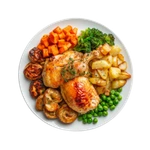 The traditional digestive pairing.
Eating a small amount of raw, grated daikon alongside a starchy or fatty meal is a traditional practice in several cuisines, though its effect on digestion once food is inside the body isn't well established.
- A gentle crunch option.
Since mild radish varieties have quite low salicylate levels, they can be a useful crunchy addition in salads if you react to cucumbers or lettuce.
 Isothiocyanates, in context.
Daikon's sulfur compounds have been studied in laboratory research for activating enzymes involved in cellular defense and detoxification. This is general nutritional research, not a specific histamine benefit.
 Avoid pre-cut bags.
Like potatoes, pre-sliced radish in supermarkets may be treated with sulfites or preservatives. Buying the whole root and peeling it yourself is generally a good idea.
 The peeling secret.
While the interior tends to be the gentlest part, the outer skin can have a spicier bite from isothiocyanates that might be uncomfortable for a sensitive stomach. Peeling it deeply can help.
 Tracking protocol.
Track your response carefully. Note if you feel any digestive discomfort, especially with larger raw portions. Look for patterns across multiple trials using MyHistaMap.
Common questions about Radishes, mild varieties and histamine
Is daikon a nightshade?
No. Daikon belongs to the Brassicaceae family, like broccoli, and doesn't contain the solanine or glycoalkaloids found in potatoes.
Why does daikon have a slight bite even though it's a mild variety?
The bite comes from allyl isothiocyanate, the same compound family responsible for the stronger pungency in hot radish varieties, just present in smaller amounts. It's not a histamine reaction; it's a plant defense compound.
Can I drink daikon juice?
For many people, yes. Daikon juice is used in some traditional practices, though this is a traditional use rather than a clinically established benefit.
Is daikon safe for SIBO?
Generally, yes. Monash University lab testing found white daikon low in FODMAPs at servings up to 75 g, becoming moderate around 279 g, which tends to make it a reasonable choice for those with bacterial overgrowth in typical portions.
Some people find these options helpful
Supplements are optional tools, not a solution. Personal tracking and identifying your individual triggers remains the priority.
Where this information comes from
At MyHistaMap we curate information from peer reviewed research and recognized medical sources. This guide is a reference tool, not a medical prescription. Always track your own reactions and consult your healthcare provider.
References
- A Major Beta-Amylase Expressed in Radish Taproots, Food Chemistry: confirms genuine amylolytic (diastase) activity in the radish taproot, and notes that grated raw daikon is traditionally added to starch-containing foods in Japan to aid digestion. This is the source for the digestive enzyme content referenced on this page.
- Radishes, FODMAP Everyday (summarizing Monash University lab testing): reports that Monash University lab-tested white daikon radish as low FODMAP at servings up to 75 g, becoming moderate at 279 g and high at 350 g. This is the source for the FODMAP serving-size claim referenced on this page.