This content is for informational purposes only and does not constitute medical advice. Always consult a qualified healthcare provider before making dietary changes. Histamine tolerance is highly individual.
This information applies to histamine intolerance, DAO deficiency, and MCAS only. If you have a confirmed food allergy, this content does not apply to you. Food allergies involve the immune system and can be life-threatening. Please consult your allergist.
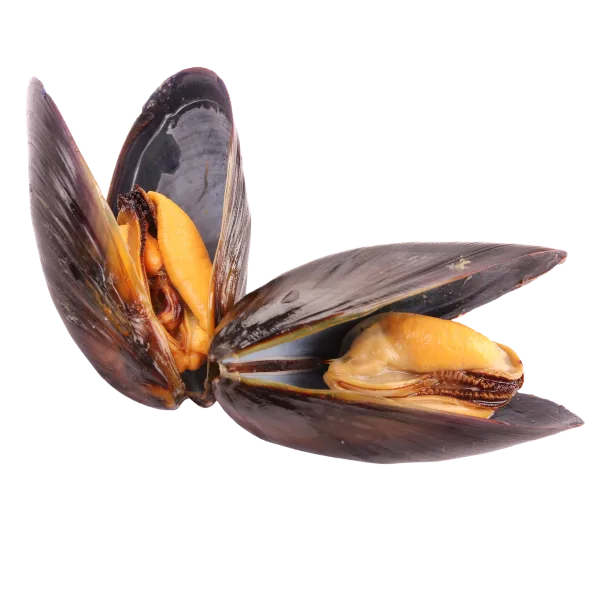
Is Bivalves (mussels, oysters, clams, scallops, …) a trigger for histamine intolerance?
Bivalves (mussels, oysters, clams, scallops, …) scores a 2 out of 3 on the SIGHI Food Compatibility List, placing it in the Moderate category. It is also classified on some reference lists as a potential histamine liberator. This reflects the reference list's classification rather than a confirmed mast-cell mechanism, since research specifically testing this hasn't provided strong support for it.
Bivalves (mussels, oysters, clams, scallops, …) & Histamine, what the evidence says
Bivalves are not associated with meaningful histamine content on compatibility reference lists.
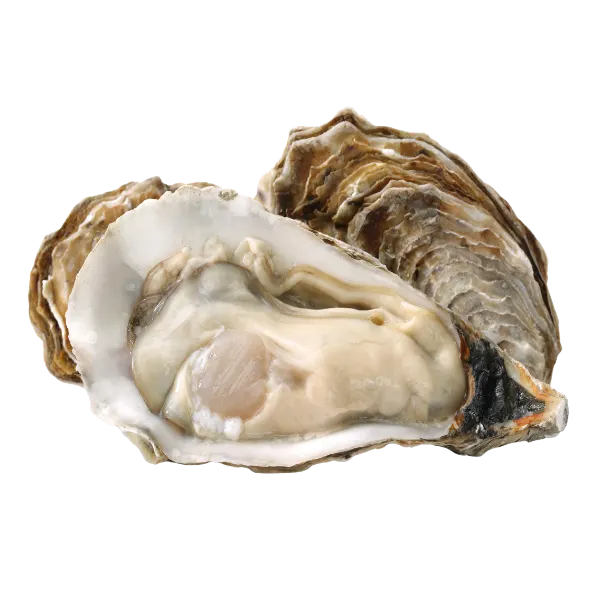
They carry a serious safety consideration that has nothing to do with histamine. Raw or undercooked oysters and clams can be contaminated with Vibrio vulnificus, a bacterium found naturally in warm coastal waters. For most healthy people, infection typically causes gastrointestinal illness, but in people with certain underlying conditions, including liver disease, diabetes, or a weakened immune system, it can progress to a severe bloodstream infection. The case-fatality rate for Vibrio vulnificus septicemia has been reported to exceed 50%.
Vibrio vulnificus does not change the appearance, taste, or smell of contaminated shellfish, so contaminated oysters and clams can look identical to safe ones. Neither hot sauce nor alcohol kills the bacteria. Only thorough cooking destroys it.
The FDA specifically advises people at higher risk of severe foodborne illness to avoid raw shellfish, including oysters and clams, and to eat shellfish only when thoroughly cooked.
Does preparation change the risk?
How bivalves are prepared is the main safety variable here, separate from histamine.
| Form | Risk Level | Notes |
|---|---|---|
| Thoroughly cooked | Low | Not associated with meaningful histamine content; cooking destroys Vibrio vulnificus |
| Raw or undercooked, healthy individuals | Moderate | Typically causes gastrointestinal illness if contaminated, unrelated to histamine |
| Raw or undercooked, higher-risk individuals | High | Can progress to severe bloodstream infection in people with liver disease, diabetes, or a weakened immune system |
Note: Risk levels are based on clinical observations and patient reports, not standardized histamine measurements. Individual tolerance varies.
A food score is a reference, not a verdict.
Histamine intolerance is highly individual. A food that triggers symptoms in one person may be tolerated by another, even within the same category.
Strict elimination may help reduce symptoms initially, but long-term progress often depends on gradual reintroduction and pattern recognition. The goal is not to remove more foods over time, but to understand your personal tolerance and expand your diet when possible.
Tracking symptoms, portions, and context such as stress or timing can provide insights that generalized food lists cannot. This is where informed decisions replace fear-based restriction.
How to test your tolerance
 Cook thoroughly if you're at higher risk.
Liver disease, diabetes, or a weakened immune system raise the risk of severe illness from Vibrio vulnificus. Only thorough cooking destroys it.
 Looks can't tell you if it's contaminated.
Vibrio vulnificus doesn't change how oysters or clams look, smell, or taste. There's no way to visually identify a contaminated one.
 Hot sauce and alcohol don't protect you.
Neither kills Vibrio vulnificus, despite common belief. Only proper cooking does.
- Risk is higher in warmer months.
Vibrio vulnificus thrives in warm coastal waters, so raw shellfish carries more risk during warmer seasons, though cases occur year-round.
 Track your response.
Log preparation method and any symptoms using MyHistaMap, especially if you're testing raw versus cooked bivalves.
Common questions about Bivalves (mussels, oysters, clams, scallops, …) and histamine
Are bivalves high in histamine?
No, bivalves are not associated with meaningful histamine content on compatibility reference lists.
Is it safe to eat raw oysters?
For most healthy people, raw oysters carry some risk of gastrointestinal illness from Vibrio vulnificus. For people with liver disease, diabetes, or a weakened immune system, this bacterium can cause a severe bloodstream infection with a high fatality rate, so the FDA advises these groups to avoid raw shellfish entirely.
Can I tell if an oyster is contaminated by how it looks or smells?
No. Vibrio vulnificus doesn't change the appearance, taste, or smell of shellfish, so contaminated ones look identical to safe ones.
Does hot sauce or alcohol kill bacteria in raw oysters?
No. Neither hot sauce nor alcohol has any effect on Vibrio vulnificus. Only thorough cooking destroys it.
Some people find these options helpful





Supplements are optional tools, not a solution. Personal tracking and identifying your individual triggers remains the priority.
Where this information comes from
At MyHistaMap we curate information from peer reviewed research and recognized medical sources. This guide is a reference tool, not a medical prescription. Always track your own reactions and consult your healthcare provider.
References
- Vibrio vulnificus Infections Associated with Eating Raw Oysters — Los Angeles, 1996, MMWR, CDC: confirms the case-fatality rate for Vibrio vulnificus septicemia exceeds 50%, and that persons with liver disease and immunocompromised persons are at particularly high risk. The source for this page's septicemia fatality figure.
- Oyster facts and Vibrio vulnificus risk, U.S. FDA: confirms Vibrio vulnificus-contaminated oysters can't be detected by smell or sight, that hot sauce and alcohol do not kill the bacteria, that only thorough cooking destroys it, and that people with liver disease, diabetes, hepatitis, cancer, and HIV are at elevated risk. The source for this page's detection, hot sauce/alcohol, and cooking guidance.