This content is for informational purposes only and does not constitute medical advice. Always consult a qualified healthcare provider before making dietary changes. Histamine tolerance is highly individual.
This information applies to histamine intolerance, DAO deficiency, and MCAS only. If you have a confirmed food allergy, this content does not apply to you. Food allergies involve the immune system and can be life-threatening. Please consult your allergist.
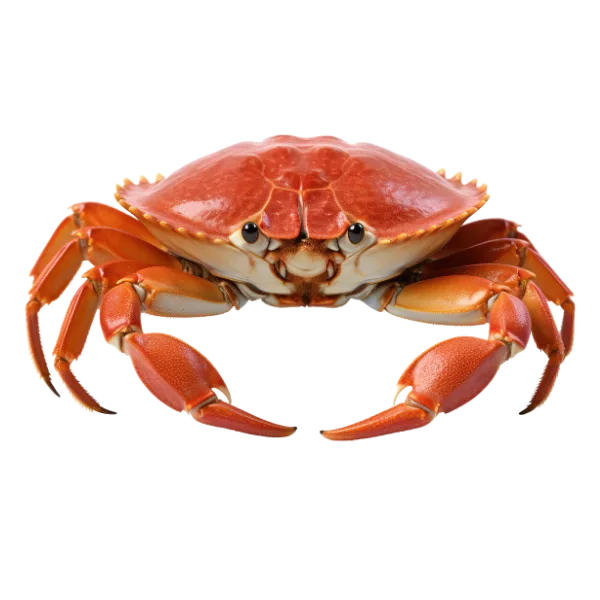
Is Crab a trigger for histamine intolerance?
Crab scores a 2 out of 3 on the SIGHI Food Compatibility List, placing it in the Moderate category. It is also classified on some reference lists as a potential histamine liberator. This reflects the reference list's classification rather than a confirmed mast-cell mechanism, since research specifically testing this hasn't provided strong support for it.
Crab & Histamine, what the evidence says
Crab is not associated with meaningful histamine content on compatibility reference lists.
It carries a nutritional consideration unrelated to histamine: the brown meat, which comes mainly from the crab's hepatopancreas, an organ with a detoxifying function, can accumulate significant levels of cadmium, a toxic heavy metal. A UK survey of 397 retail samples found cadmium levels in brown crab meat and products containing brown meat ranging from 0.11 to 26 mg/kg, with the hepatopancreas identified as the main source of the cadmium. In 2011, the European Commission recommended that Member States provide consumer advice on limiting consumption of brown crab meat because of its higher cadmium levels.
The white meat from the legs and claws contains much lower levels of cadmium and is considered lower risk in this regard. European regulations specifically apply the cadmium limit for crab muscle meat to the appendages, while the hepatopancreas is excluded because it is known to contain high levels of cadmium.
Does preparation change the risk?
Which part of the crab you eat matters far more than preparation method here, and this is a cadmium consideration, not a histamine one.
| Form | Risk Level | Notes |
|---|---|---|
| White meat (legs and claws) | Low | Not associated with meaningful histamine content; much lower cadmium levels than brown meat |
| Brown meat, occasional small amount | Moderate | Cadmium levels can vary widely; occasional consumption is a different consideration from regular consumption |
| Brown meat, regular or large amounts | High | Regulatory bodies specifically advise limiting brown meat consumption due to cadmium accumulation |
| Crab paste, pâté, or potted crab (often brown meat-based) | Moderate | Check whether the product contains brown meat, white meat, or a mix |
Note: Risk levels are based on clinical observations and patient reports, not standardized histamine measurements. Individual tolerance varies.
A food score is a reference, not a verdict.
Histamine intolerance is highly individual. A food that triggers symptoms in one person may be tolerated by another, even within the same category.
Strict elimination may help reduce symptoms initially, but long-term progress often depends on gradual reintroduction and pattern recognition. The goal is not to remove more foods over time, but to understand your personal tolerance and expand your diet when possible.
Tracking symptoms, portions, and context such as stress or timing can provide insights that generalized food lists cannot. This is where informed decisions replace fear-based restriction.
How to test your tolerance
 Know the difference between white and brown meat.
White meat from the legs and claws carries much lower cadmium levels than brown meat from the body. This is unrelated to histamine but worth knowing.
 Limit regular brown meat consumption.
Since 2011, European food-safety authorities have advised limiting brown crab meat consumption specifically because of its cadmium content.
 Check crab-based spreads and pastes.
Products like crab paste, pâté, or potted crab are often made partly or entirely from brown meat. Checking the ingredient list can help you understand what you're eating.
- Cadmium levels vary by origin.
Cadmium accumulation in crab varies considerably by region and individual crab, so levels aren't uniform across all sources.
 Track your response.
Log which part of the crab and how much you ate using MyHistaMap to build a clearer picture over time.
Common questions about Crab and histamine
Is crab high in histamine?
No, crab is not associated with meaningful histamine content on compatibility reference lists.
What's the concern with crab brown meat?
The brown meat comes mainly from the crab's hepatopancreas, an organ that can accumulate significant levels of cadmium, a toxic heavy metal. This is unrelated to histamine, and European food-safety authorities have advised limiting brown meat consumption because of it.
Is white crab meat safer than brown meat?
In terms of cadmium, yes. White meat from the legs and claws contains much lower cadmium levels and is considered lower risk than brown meat from the body.
Should I avoid crab paste or pâté?
Not necessarily, but these products are often made partly or entirely from brown meat, so checking the label helps you know what you're consuming.
Some people find these options helpful





Supplements are optional tools, not a solution. Personal tracking and identifying your individual triggers remains the priority.
Where this information comes from
At MyHistaMap we curate information from peer reviewed research and recognized medical sources. This guide is a reference tool, not a medical prescription. Always track your own reactions and consult your healthcare provider.
References
- UK Food Standards Agency, Survey of cadmium in brown meat from crabs and products made with brown meat from crabs, 2015: measured cadmium in 397 retail samples of brown crab meat and related products, finding levels ranging from 0.11 to 26 mg/kg, with the hepatopancreas confirmed as the main source. The primary source for this page's cadmium figures.
- European Commission Regulation on maximum levels for cadmium, 2011 recommendation on brown crab meat consumer advice, and crab muscle meat cadmium limit applying to appendage meat while excluding hepatopancreas: confirms the EU recommended Member States advise consumers on limiting brown crab meat consumption due to cadmium, and that the regulatory cadmium limit for crab muscle meat applies specifically to the appendages, excluding the hepatopancreas. The source for this page's regulatory context and white versus brown meat distinction.