This content is for informational purposes only and does not constitute medical advice. Always consult a qualified healthcare provider before making dietary changes. Histamine tolerance is highly individual.
This information applies to histamine intolerance, DAO deficiency, and MCAS only. If you have a confirmed food allergy, this content does not apply to you. Food allergies involve the immune system and can be life-threatening. Please consult your allergist.
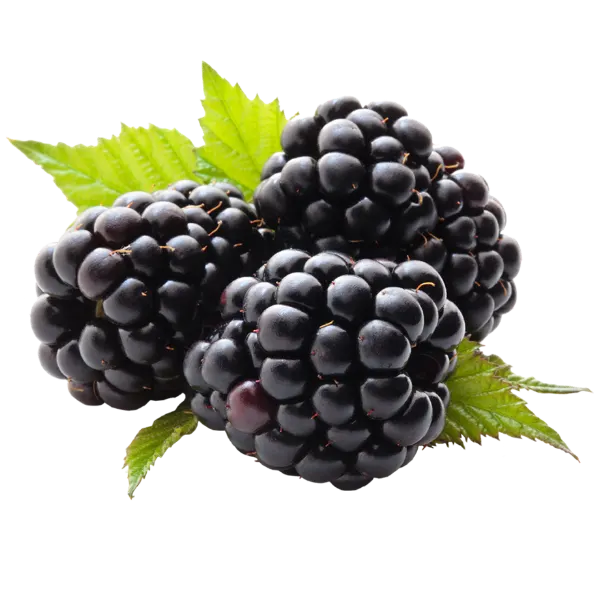
Is Blackberry a trigger for histamine intolerance?
Blackberry scores a 0 out of 3 on the SIGHI Food Compatibility List, placing it in the Safe category.
Blackberry & Histamine, what the evidence says
Blackberry itself is low in histamine and is generally well tolerated by people managing histamine intolerance. There isn't a specific concern with the fresh fruit's histamine content the way there is with some foods more commonly associated with histamine-related reactions.
What does make blackberry worth a closer look is how quickly it spoils. Blackberries are made up of many small drupelets clustered together, and that structure holds moisture and creates more surface area than firmer fruits, making them especially prone to mold, softening, and leakage during storage and shipping. As fruit deteriorates, bacterial and fungal growth can break down available proteins and amino acids, and bacteria can convert those amino acids into biogenic amines, including histamine. This is one of the reasons microbial spoilage and prolonged storage can increase the amine content of food.
This means the potential histamine concern with blackberry has more to do with how fresh the berries are by the time you eat them than with anything inherent to the fresh fruit itself. A punnet of blackberries that's been sitting in the fridge for a week, showing soft or moldy spots, is a very different situation from fresh, intact berries.
Does preparation change the risk?
Blackberry's risk profile depends almost entirely on freshness, since the fruit itself isn't a histamine concern.
| Form | Risk Level | Notes |
|---|---|---|
| Fresh, firm blackberries | Low | Naturally low in histamine and well tolerated by most people |
| Frozen blackberries | Low | Freezing shortly after picking limits the time available for spoilage |
| Blackberries stored several days in the fridge | Moderate | This soft, multi-drupelet fruit spoils faster than firmer berries |
| Soft, leaking, or visibly moldy berries | High | Visible decay is a sign of microbial growth, which is associated with rising amine levels |
Note: Risk levels are based on clinical observations and patient reports, not standardized histamine measurements. Individual tolerance varies.
A food score is a reference, not a verdict.
Histamine intolerance is highly individual. A food that triggers symptoms in one person may be tolerated by another, even within the same category.
Strict elimination may help reduce symptoms initially, but long-term progress often depends on gradual reintroduction and pattern recognition. The goal is not to remove more foods over time, but to understand your personal tolerance and expand your diet when possible.
Tracking symptoms, portions, and context such as stress or timing can provide insights that generalized food lists cannot. This is where informed decisions replace fear-based restriction.
How to test your tolerance
 Inspect before eating.
Check for soft spots, leaking juice, or visible mold, especially on berries near the bottom of the container, before eating a handful.
 Freeze what you won't eat soon.
Blackberries spoil faster than many other fruits. Freezing shortly after purchase limits how much time bacteria and mold have to act.
- Refrigerate promptly and use quickly.
If you're keeping blackberries fresh, eat them within a few days rather than letting the container sit in the fridge for a week or more.
 Don't wash until you're ready to eat.
Extra moisture on the berries can speed up mold growth during storage. Rinse them right before eating rather than right after buying.
 Check the whole container.
One moldy berry can affect others it's touching. Look through the container rather than just the top layer before deciding the batch is fine.
 Track freshness, not just quantity.
In MyHistaMap, note how fresh the blackberries were, not just how many you ate. This fruit's tolerance seems to hinge more on freshness than portion size.
Common questions about Blackberry and histamine
Is blackberry high in histamine?
No. Blackberry itself is low in histamine and generally well tolerated by people managing histamine intolerance.
Why does blackberry spoil so quickly?
Blackberries are made up of many small drupelets clustered together, a structure that holds moisture and creates more surface area than firmer fruits. This makes them especially prone to mold and softening during storage.
Does moldy fruit have more histamine?
As fruit decays, bacterial and fungal growth breaks down proteins and amino acids, and this process is generally associated with rising levels of biogenic amines, including histamine. Visibly moldy or leaking berries are best avoided.
Are frozen blackberries a safer option?
Frozen blackberries can be a practical choice, since freezing shortly after picking limits the time available for spoilage compared to berries that sit fresh for days.
Some people find these options helpful





Supplements are optional tools, not a solution. Personal tracking and identifying your individual triggers remains the priority.
Where this information comes from
At MyHistaMap we curate information from peer reviewed research and recognized medical sources. This guide is a reference tool, not a medical prescription. Always track your own reactions and consult your healthcare provider.
References
- SIGHI (Swiss Interest Group Histamine Intolerance) Food Compatibility List: rates blackberry as well tolerated. The source for blackberry's low-risk classification referenced on this page.
- Genome-Wide Association Identifies Key Loci Controlling Blackberry Postharvest Quality, 2023: describes soft-fruited blackberries as prone to leakage, mold, softening, and other postharvest issues during storage and shipping. The source for blackberry's spoilage-prone structure referenced on this page.
- U.S. FDA, Macroanalytical Procedures Manual, Fruits and Fruit Products: Determination of Decomposition in Drupelet Berries: an official FDA laboratory method specifically developed to assess mold and decay in blackberries and raspberries, with a defect action level of 60% Howard Mold Count for canned and frozen drupelet berries. The source for this page's note that blackberry's mold susceptibility is well documented enough to have its own regulatory standard.
- Biogenic amines, including histamine, are generally produced when bacteria decarboxylate amino acids during food spoilage and fermentation, a well-established mechanism in food science. The source for this page's general statement connecting microbial spoilage to rising amine levels.