This content is for informational purposes only and does not constitute medical advice. Always consult a qualified healthcare provider before making dietary changes. Histamine tolerance is highly individual.
This information applies to histamine intolerance, DAO deficiency, and MCAS only. If you have a confirmed food allergy, this content does not apply to you. Food allergies involve the immune system and can be life-threatening. Please consult your allergist.
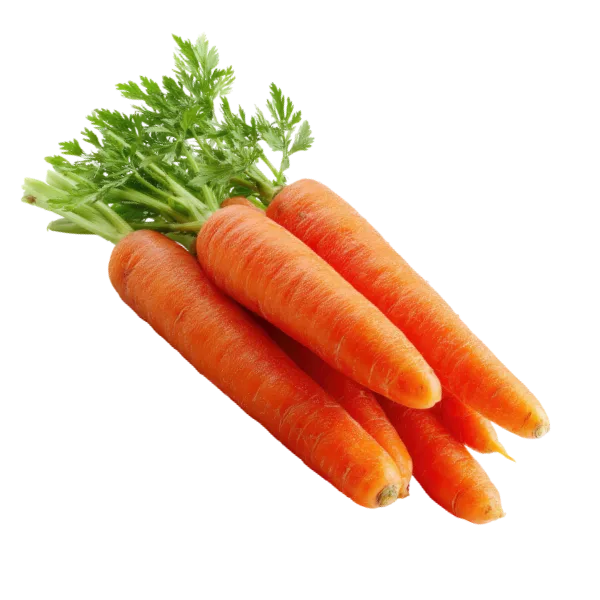
Is Carrot a trigger for histamine intolerance?
Carrot scores a 0 out of 3 on the SIGHI Food Compatibility List, placing it in the Safe category.
Carrot & Histamine, what the evidence says
Carrots aren't associated with meaningful histamine levels, making them a good fit for a low-histamine diet. Their characteristic orange color comes largely from beta-carotene, which the body can convert into vitamin A. Eating unusually large amounts over several weeks can lead to carotenemia, a harmless yellow-orange discoloration of the skin that's most noticeable on the palms of the hands and soles of the feet. Carotenemia has been reported with sustained high intakes of beta-carotene, particularly from supplements or very large amounts of carotenoid-rich foods. A medium carrot contains only a few milligrams of beta-carotene, so it's unlikely to occur from eating carrots as part of a normal diet. The discoloration gradually fades once beta-carotene intake returns to normal and, unlike jaundice, it doesn't affect the whites of the eyes.
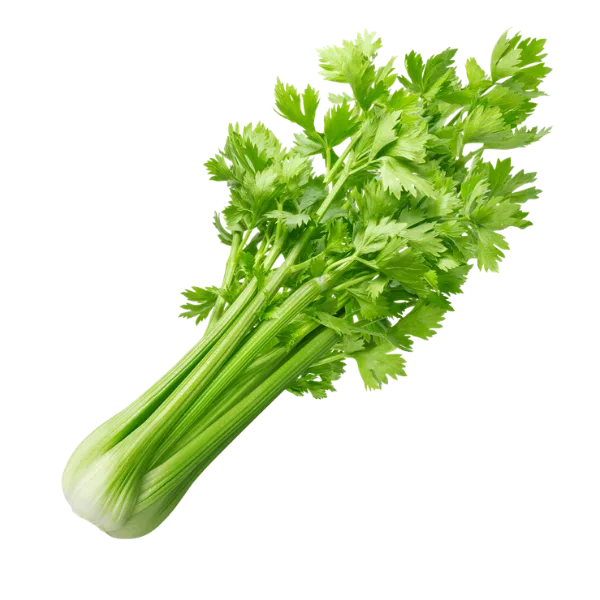
Carrots also belong to the same plant family as celery, parsley, and parsnips. Like other members of the Apiaceae family, they naturally contain furanocoumarins, compounds that can cause a phototoxic skin reaction when plant material containing them comes into contact with the skin before sun exposure. This is known as phytophotodermatitis and has been reported particularly with repeated occupational exposure to certain Apiaceae plants, although it can also occur after ordinary plant contact.
Does preparation change the risk?
Quantity is the main variable for carrot's non-histamine considerations.
| Form | Risk Level | Notes |
|---|---|---|
| Cooked or raw, typical amounts | Low | Not a histamine concern; standard consumption |
| Large, sustained juicing intake | Low | Same histamine profile; very high, sustained beta-carotene intake can cause harmless skin tinting (carotenemia) |
| Handling large raw quantities | Low | Furanocoumarin content is relatively low in carrot, and skin reactions from handling it are rarely reported |
Note: Risk levels are based on clinical observations and patient reports, not standardized histamine measurements. Individual tolerance varies.
A food score is a reference, not a verdict.
Histamine intolerance is highly individual. A food that triggers symptoms in one person may be tolerated by another, even within the same category.
Strict elimination may help reduce symptoms initially, but long-term progress often depends on gradual reintroduction and pattern recognition. The goal is not to remove more foods over time, but to understand your personal tolerance and expand your diet when possible.
Tracking symptoms, portions, and context such as stress or timing can provide insights that generalized food lists cannot. This is where informed decisions replace fear-based restriction.
How to test your tolerance
 Consider sun exposure after heavy handling.
Carrot contains furanocoumarins, compounds that can cause a phototoxic skin reaction with sun exposure, though at relatively low levels. Contact-related skin reactions are rarely reported for carrot specifically.
- Know about carotenemia.
A yellow-orange tint to the skin, especially on palms and soles, after very high and sustained carrot or carrot juice intake is harmless and resolves once intake decreases. It's not jaundice.
 Cooking doesn't change the histamine profile.
Carrot isn't a histamine concern whether raw or cooked.
 Track your response if trying it new.
Even well-tolerated vegetables are worth a brief note in MyHistaMap when first introduced.
Common questions about Carrot and histamine
Can handling carrot cause a phototoxic skin reaction?
Carrot contains furanocoumarins, the compounds responsible for this type of reaction, but at relatively low levels, and skin reactions from handling carrot specifically are rarely reported.
Is carrot high in histamine?
No, carrot isn't linked to meaningful histamine levels.
Can eating too many carrots turn my skin orange?
Yes, this is a real, harmless, well-documented condition called carotenemia, caused by very high and sustained intake of beta-carotene. It resolves once intake decreases and isn't dangerous.
Is carotenemia the same as jaundice?
No. Carotenemia doesn't affect the whites of the eyes the way jaundice does, and it's caused by pigment buildup rather than a liver or bilirubin issue.
Some people find these options helpful

Supplements are optional tools, not a solution. Personal tracking and identifying your individual triggers remains the priority.
Where this information comes from
At MyHistaMap we curate information from peer reviewed research and recognized medical sources. This guide is a reference tool, not a medical prescription. Always track your own reactions and consult your healthcare provider.
References
- Carotenemia, Cleveland Clinic: describes carotenemia as a harmless yellow-orange skin discoloration from high beta-carotene intake, most noticeable on palms and soles, that does not affect the whites of the eyes. The source for this page's carotenemia description.
- Carotenodermia in Men With Elevated Carotenoid Intake From Foods and Beta-Carotene Supplements: found definite carotenodermia only in subjects taking 30 mg of purified beta-carotene supplement daily for 42 days, while a group eating 272 g of cooked carrots daily did not develop definite carotenodermia in the same period. The source for this page's note distinguishing supplement intake from typical carrot consumption.
- Peroutka et al., Analysis of Furanocoumarins in Vegetables (Apiaceae) and Citrus Fruits (Rutaceae), Journal of the Science of Food and Agriculture, 2007: directly measured furanocoumarin levels across retail celery, celeriac, parsnip, carrot, and citrus.
- Fast Determination of Furocoumarins in Food Supplements, PMC, 2024: reports average furocoumarin content of about 20 to 50 mg/kg in parsnip and celery, and up to 137 mg/kg in parsley, for comparison against carrot's lower levels.
- Oxalate in Food, St. Joseph's Healthcare Hamilton: lists cooked carrot at 7 mg per half cup and raw carrot at 10 mg per half large carrot, within its moderate oxalate category. The source for this page's oxalate classification.