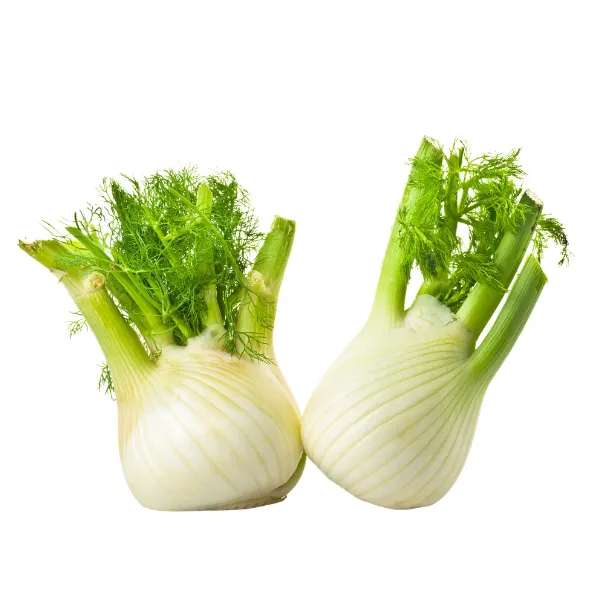
This content is for informational purposes only and does not constitute medical advice. Always consult a qualified healthcare provider before making dietary changes. Histamine tolerance is highly individual.
This information applies to histamine intolerance, DAO deficiency, and MCAS only. If you have a confirmed food allergy, this content does not apply to you. Food allergies involve the immune system and can be life-threatening. Please consult your allergist.
Is Fennel a trigger for histamine intolerance?
Fennel scores a 0 out of 3 on the SIGHI Food Compatibility List, placing it in the Safe category.
Fennel & Histamine, what the evidence says
Fennel is not associated with meaningful histamine content. Its characteristic licorice-like flavor comes mainly from anethole, the main compound in fennel essential oil. Anethole and fennel preparations have traditionally been used to aid digestion and support milk production during breastfeeding, and some research has also looked at possible hormone-like effects. Most of this research, however, involves concentrated extracts or oils rather than the amounts found in the fresh vegetable itself.
Fennel also contains estragole, a naturally occurring compound that has raised safety concerns at higher or sustained exposures. European food-safety authorities have specifically evaluated estragole in fennel seed preparations, including herbal infusions, and have concluded that a safe level of exposure could not be established from the available data. The concern is particularly relevant to vulnerable groups such as babies, young children, and during pregnancy and breastfeeding. This is a different consideration from eating the fresh fennel bulb, which is not equivalent to a concentrated seed preparation.
Fennel also shows a big difference in oxalate content depending on the form. The fresh bulb is low in oxalates, but dried fennel seeds are concentrated enough to be considered high, even though a typical spice-sized serving delivers a more modest amount. This is unrelated to histamine but worth knowing if you're also tracking oxalate intake, especially with fennel tea or seed-heavy preparations.
The bulb commonly sold as Florence fennel is a cultivated form of Foeniculum vulgare selected for its thick, fleshy bulb. The varieties grown mainly for seeds and essential oil are used differently, although they belong to the same species.
Does preparation change the risk?
Form matters more than histamine here, both for estragole exposure and oxalate content.
| Form | Risk Level | Notes |
|---|---|---|
| Fennel bulb (Florence fennel) | Low | Standard vegetable form; not associated with meaningful histamine content, and low in oxalates |
| Fennel seeds, culinary amounts | Moderate | Contains estragole and is concentrated in oxalates, though typical seasoning amounts are small |
| Fennel tea / seed infusions | Moderate | Specifically evaluated by European food-safety authorities for estragole exposure; a safe level could not be established, particularly relevant for babies, young children, and pregnancy or breastfeeding |
| Concentrated fennel oil / extract | High | Contains the highest, most concentrated levels of anethole and estragole |
Note: Risk levels are based on clinical observations and patient reports, not standardized histamine measurements. Individual tolerance varies.
A food score is a reference, not a verdict.
Histamine intolerance is highly individual. A food that triggers symptoms in one person may be tolerated by another, even within the same category.
Strict elimination may help reduce symptoms initially, but long-term progress often depends on gradual reintroduction and pattern recognition. The goal is not to remove more foods over time, but to understand your personal tolerance and expand your diet when possible.
Tracking symptoms, portions, and context such as stress or timing can provide insights that generalized food lists cannot. This is where informed decisions replace fear-based restriction.
How to test your tolerance
 The bulb vegetable is a different form than seeds or tea.
Florence fennel, the bulb typically eaten as a vegetable, is low in oxalates and doesn't carry the estragole exposure concern that applies to seed preparations.
 Be cautious with fennel tea for babies and young children.
European food-safety authorities specifically evaluated fennel seed infusions and could not establish a safe estragole exposure level, with particular concern for babies, young children, and during pregnancy or breastfeeding.
 Fennel seeds are concentrated in oxalates.
A typical spice-sized serving delivers a modest amount, but larger amounts of seeds or seed-heavy preparations add up more than the fresh bulb would.
 Be most cautious with concentrated extracts and oils.
Fennel oil and seed extracts contain the highest concentrations of anethole and estragole of any form.
 Track your response if trying it new.
Even well-tolerated vegetables are worth a brief note in the MyHistaMap app when first introduced.
Common questions about Fennel and histamine
Is fennel high in histamine?
No. Fennel is not associated with meaningful histamine content.
What gives fennel its distinctive flavor?
Primarily anethole, a compound also found in anise, which has a long traditional history of use for digestion and supporting milk production during breastfeeding.
Is fennel tea safe for babies or during pregnancy?
European food-safety authorities specifically evaluated fennel seed preparations, including infusions, and could not establish a safe level of estragole exposure, with particular concern for babies, young children, and during pregnancy or breastfeeding. This is a different consideration from eating the fresh fennel bulb.
Is fennel bulb different from fennel seeds?
Yes, in more than one way. Florence fennel, the bulb used as a vegetable, is a different variety than the ones primarily grown for seed and essential oil production, and it's also much lower in oxalates than dried fennel seeds.
Are fennel seeds high in oxalates?
Dried fennel seeds are concentrated enough to be considered high in oxalates, though a typical small, spice-sized serving delivers a more modest amount. The fresh bulb is low in oxalates.
Some people find these options helpful
Supplements are optional tools, not a solution. Personal tracking and identifying your individual triggers remains the priority.
Where this information comes from
At MyHistaMap we curate information from peer reviewed research and recognized medical sources. This guide is a reference tool, not a medical prescription. Always track your own reactions and consult your healthcare provider.
References
- Have Your Say: Estragole in Fennel Seed Preparations, European Food Safety Authority, 2025: reports that EFSA evaluated preparations of sweet and bitter fennel seeds, including infusions and supplements, and could not establish a safe level of estragole exposure, with particular concern for babies, young children, and breastfed infants and fetuses when consumed by lactating or pregnant women. The source for this page's estragole and fennel seed preparation section.
- Can Estragole in Fennel Seed Decoctions Really Be Considered a Risk for Human Health? A Fennel Safety Update, Evidence-Based Complementary and Alternative Medicine, 2012: sweet fennel essential oil is composed mainly of anethole (around 80%), with estragole present at up to 10% depending on the pharmacopoeial standard applied. The source for this page's anethole and estragole composition figures.
- Oxalate List, Oxalosis and Hyperoxaluria Foundation, 2024: reports dried fennel seed at approximately 1293 mg of oxalate per 100 grams, within its high oxalate category, compared with the fresh bulb at a much lower concentration. The source for this page's oxalate comparison between the bulb and seeds.