This content is for informational purposes only and does not constitute medical advice. Always consult a qualified healthcare provider before making dietary changes. Histamine tolerance is highly individual.
This information applies to histamine intolerance, DAO deficiency, and MCAS only. If you have a confirmed food allergy, this content does not apply to you. Food allergies involve the immune system and can be life-threatening. Please consult your allergist.
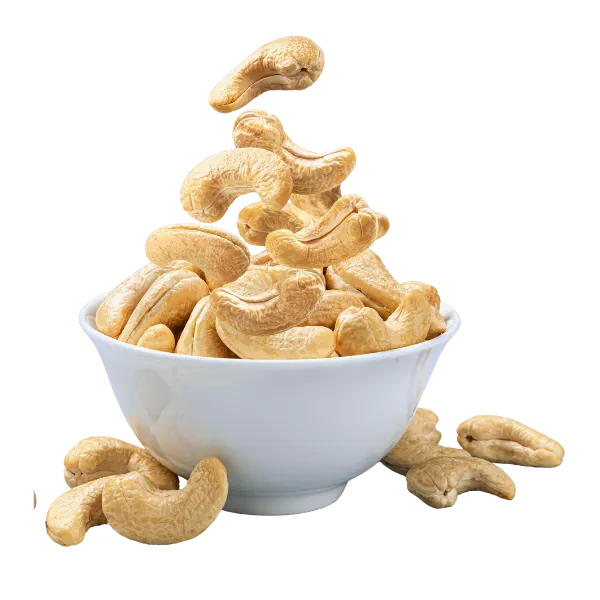
Is Cashew nut a trigger for histamine intolerance?
Cashew nut scores a 1 out of 3 on the SIGHI Food Compatibility List, placing it in the Low category. It is also classified on some reference lists as a potential histamine liberator. This reflects the reference list's classification rather than a confirmed mast-cell mechanism, since research specifically testing this hasn't provided strong support for it.
Cashew nut & Histamine, what the evidence says
Cashews are not associated with meaningful histamine content on compatibility reference lists.
They carry a separate safety consideration tied to their shell rather than the nut itself. The cashew tree belongs to the same botanical family as poison ivy and poison oak, and cashew shells contain irritating compounds that can cause poison ivy-like dermatitis. This is why commercial cashews are removed from their shells and processed before they are sold. A well-documented 1982 incident involved improperly processed cashews sold through a fundraiser. Of 274 people who reported eating the cashews, 54 developed a pruritic rash, affecting about 20% of those who had eaten them. Investigators found pieces of cashew shell in some of the bags, and analysis of shell extracts identified cardol, an allergen in cashew shell oil. Properly processed commercial cashews, the kind commonly sold in stores, do not present the same shell-related exposure.
Separately, cashews are relatively high in oxalates. Laboratory measurements have reported total oxalate content above 150 mg per 100 g, with one study measuring approximately 266 mg per 100 g. This is relevant for people who are also managing oxalate intake or have a history of calcium-oxalate kidney stones.
Cashews are also high in FODMAPs, particularly fructans and galacto-oligosaccharides (GOS). Monash University identifies cashews as a high-FODMAP nut. If digestive symptoms occur despite a low-histamine diet otherwise going well, their FODMAP content is another possible consideration independent of histamine.
Does preparation change the risk?
Commercial cashews are always shelled and processed, so the shell-related risk doesn't apply to what you'd find in a store. Portion size is the main variable for FODMAP and oxalate content.
| Form | Risk Level | Notes |
|---|---|---|
| Commercial cashews, small portion | Low | Not associated with meaningful histamine content; shell has already been removed and processed |
| Larger portions (beyond a small handful) | Moderate | FODMAP and oxalate content both become more relevant at larger serving sizes |
| Raw, unprocessed shells or shell fragments | High | Not a histamine risk, but a documented cause of poison ivy-like skin reactions |
Note: Risk levels are based on clinical observations and patient reports, not standardized histamine measurements. Individual tolerance varies.
A food score is a reference, not a verdict.
Histamine intolerance is highly individual. A food that triggers symptoms in one person may be tolerated by another, even within the same category.
Strict elimination may help reduce symptoms initially, but long-term progress often depends on gradual reintroduction and pattern recognition. The goal is not to remove more foods over time, but to understand your personal tolerance and expand your diet when possible.
Tracking symptoms, portions, and context such as stress or timing can provide insights that generalized food lists cannot. This is where informed decisions replace fear-based restriction.
How to test your tolerance
 Store-bought cashews are already processed.
Commercial cashews have had their shells removed and processed, so the poison ivy-like dermatitis risk tied to raw shells doesn't apply to what you buy in stores.
 Watch your portion size.
Cashews are high in FODMAPs, particularly fructans and GOS. A smaller handful is a reasonable place to start if you notice digestive symptoms.
 Consider oxalate intake if relevant.
Cashews are relatively high in oxalates, worth keeping in mind alongside your histamine tracking if you have a history of kidney stones.
- Separate digestive symptoms from histamine reactions.
Bloating or gas after cashews is more likely related to FODMAP content than histamine.
 Track your response.
Log portion size and any digestive symptoms using MyHistaMap to distinguish patterns over time.
Common questions about Cashew nut and histamine
Are cashews high in histamine?
No, cashews are not associated with meaningful histamine content on compatibility reference lists.
Why can't I buy raw cashews in the shell?
Cashew shells contain compounds chemically related to those in poison ivy, and can cause a similar rash. Commercial cashews are always removed from their shells and processed before sale for this reason.
Are cashews high in FODMAPs?
Yes. Monash University identifies cashews as a high-FODMAP nut, mainly due to fructans and galacto-oligosaccharides (GOS).
Why might I react to cashews if they are low histamine?
Cashews are high in FODMAPs and relatively high in oxalates, both of which can cause symptoms independent of histamine. Digestive symptoms in particular are more likely related to FODMAP content.
Some people find these options helpful





Supplements are optional tools, not a solution. Personal tracking and identifying your individual triggers remains the priority.
Where this information comes from
At MyHistaMap we curate information from peer reviewed research and recognized medical sources. This guide is a reference tool, not a medical prescription. Always track your own reactions and consult your healthcare provider.
References
- Cashew nut dermatitis, Morbidity and Mortality Weekly Report (CDC), 1982: documented an outbreak in which 54 of 274 people who ate improperly processed cashews sold through a fundraiser developed a pruritic rash; shell fragments were found in some bags and cardol was identified in shell extract analysis. The source for this page's shell dermatitis case and figures.
- Oxalate content study of tree nuts, measuring cashew total oxalate at approximately 266 mg per 100 g: laboratory measurement placing cashew oxalate content above 150 mg per 100 g. The source for this page's oxalate figures.
- Monash University FODMAP Diet App: identifies cashews as a high-FODMAP nut, with fructans and galacto-oligosaccharides (GOS) as the main contributing FODMAPs. The source for this page's FODMAP consideration.