This content is for informational purposes only and does not constitute medical advice. Always consult a qualified healthcare provider before making dietary changes. Histamine tolerance is highly individual.
This information applies to histamine intolerance, DAO deficiency, and MCAS only. If you have a confirmed food allergy, this content does not apply to you. Food allergies involve the immune system and can be life-threatening. Please consult your allergist.
Is Cherry a trigger for histamine intolerance?
Cherry scores a 0 out of 3 on the SIGHI Food Compatibility List, placing it in the Safe category.
Cherry & Histamine, what the evidence says
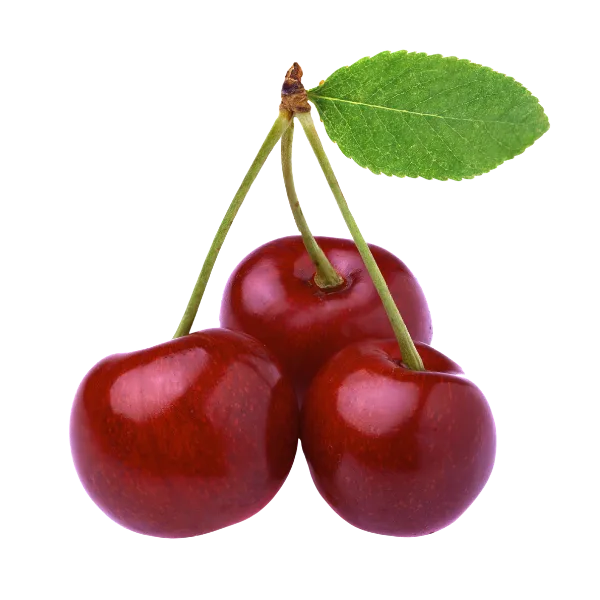
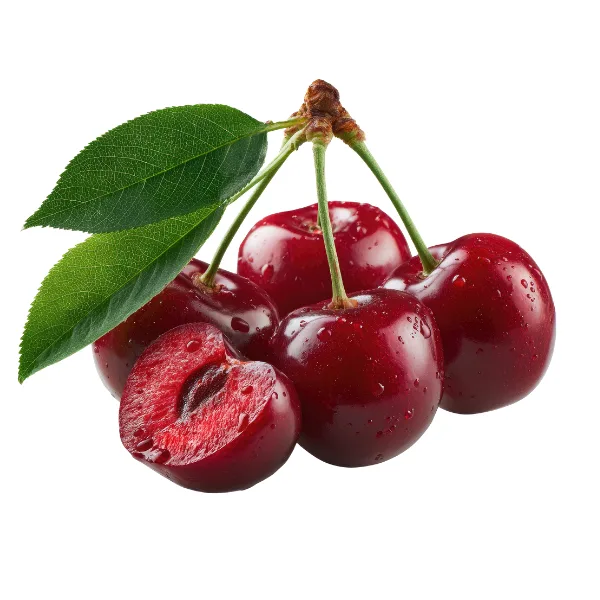
Cherry, whether sweet or tart (sour), is generally low in histamine. Sweet cherry does carry a note in some histamine reference sources describing it as debated, although those sources do not provide much detail about what specifically drives that designation. Sour cherry varieties do not carry the same note.
Cherries, particularly tart Montmorency cherries, are often discussed for their melatonin content, the hormone involved in regulating the sleep-wake cycle. Measured melatonin levels vary by cultivar, and the amounts found in cherries can differ considerably between varieties. This makes the common claim that tart cherries are automatically the superior source of melatonin less straightforward than it sounds.
Human research on tart cherry juice and sleep is mixed. An early, frequently cited randomized controlled study found that drinking tart cherry juice concentrate increased urinary melatonin and modestly improved sleep duration and efficiency. More recent trials have produced different results. A 30-day randomized study using both Montmorency cherry juice and powdered supplements found no significant differences in sleep time or sleep quality compared with placebo. Another randomized trial published in 2024 also found no significant effects from Montmorency tart cherry powder on sleep measures. Taken together, the evidence for a meaningful sleep benefit from cherry products is inconsistent rather than settled.
None of this changes the basic picture for cherry as a food: both sweet and tart varieties are generally considered low in histamine, and any interest in their melatonin content is a separate question from whether cherry is a suitable choice for someone managing histamine intolerance.
Does preparation change the risk?
Cherry's histamine profile stays low across fresh forms. Processing and how the fruit is preserved are what change the picture.
| Form | Risk Level | Notes |
|---|---|---|
| Fresh sweet or sour cherries | Low | Naturally low in histamine; sweet cherry carries a debated note in some references without further detail |
| Frozen cherries | Low | Freezing shortly after picking preserves the fruit's low-histamine profile |
| Tart cherry juice | Low | Fine as a fresh, unfermented product; check for added sugar or other ingredients |
| Maraschino cherries, cherry liqueur, or cherry jam | Moderate | Processing, curing, or fermentation change the profile compared to fresh fruit |
Note: Risk levels are based on clinical observations and patient reports, not standardized histamine measurements. Individual tolerance varies.
A food score is a reference, not a verdict.
Histamine intolerance is highly individual. A food that triggers symptoms in one person may be tolerated by another, even within the same category.
Strict elimination may help reduce symptoms initially, but long-term progress often depends on gradual reintroduction and pattern recognition. The goal is not to remove more foods over time, but to understand your personal tolerance and expand your diet when possible.
Tracking symptoms, portions, and context such as stress or timing can provide insights that generalized food lists cannot. This is where informed decisions replace fear-based restriction.
How to test your tolerance
 Eat cherries fresh and firm.
Choose plump, glossy cherries with green stems. Soft, wrinkled, or leaking cherries are past their best.
 Check processed cherry products separately.
Maraschino cherries, cherry liqueurs, and some jams are processed or fermented in ways that make them a different question from fresh cherries.
 Don't expect a guaranteed sleep effect.
Research on tart cherry juice and sleep has produced mixed results across different studies. Enjoy it as a low-histamine fruit rather than a proven sleep remedy.
 Sweet or tart, both are reasonable choices.
Since both varieties are generally low in histamine, pick based on taste preference rather than assuming one is meaningfully safer than the other.
 Freeze extra cherries.
Cherries are perishable. Freezing shortly after buying is a simple way to extend how long you can keep them at their best.
 Track your response.
If sweet cherry's debated status makes you want to test it separately from tart cherry, log each one individually in MyHistaMap.
Common questions about Cherry and histamine
Is cherry high in histamine?
No. Both sweet and tart cherries are generally low in histamine, though sweet cherry carries a debated note in some reference sources without much further detail.
Do tart cherries have more melatonin than sweet cherries?
Not necessarily. Measured melatonin levels vary considerably by cultivar, and the common claim that tart cherries are automatically higher isn't as clear-cut as it's often presented.
Does tart cherry juice actually improve sleep?
The evidence is mixed. An early study found improved sleep duration and increased melatonin, but several more recent trials, including ones from 2024, found no significant effect on sleep compared to placebo.
Are maraschino cherries the same as fresh cherries for histamine purposes?
No. Maraschino cherries and other processed cherry products go through curing or processing that changes their profile compared to fresh cherries, so they're a separate consideration.
Some people find these options helpful





Supplements are optional tools, not a solution. Personal tracking and identifying your individual triggers remains the priority.
Where this information comes from
At MyHistaMap we curate information from peer reviewed research and recognized medical sources. This guide is a reference tool, not a medical prescription. Always track your own reactions and consult your healthcare provider.
References
- SIGHI (Swiss Interest Group Histamine Intolerance) Food Compatibility List: rates sweet cherry as well tolerated but marks it as controversial without further detail, while listing sour/tart cherry varieties as well tolerated without that note. The source for the classifications referenced on this page.
- Howatson et al., Effect of Tart Cherry Juice (Prunus cerasus) on Melatonin Levels and Enhanced Sleep Quality, European Journal of Nutrition, 2012: found that tart cherry juice concentrate increased urinary melatonin and modestly improved sleep duration and efficiency in a randomized controlled crossover study. The source for the early positive sleep finding referenced on this page.
- Commonly Used Dose of Montmorency Tart Cherry Powder Does Not Improve Sleep or Inflammation Outcomes in Individuals with Overweight or Obesity, Nutrients, 2024: a randomized crossover trial finding no significant sleep improvement from tart cherry powder. The source for the more recent null finding referenced on this page.
- Hillman et al., Montmorency Tart Cherry Supplementation Does Not Impact Sleep, Body Composition, Cellular Health, or Blood Pressure in Healthy Adults: found no significant differences in sleep time or quality between tart cherry juice or powder and placebo over 30 days. The source for the additional null finding referenced on this page.