This content is for informational purposes only and does not constitute medical advice. Always consult a qualified healthcare provider before making dietary changes. Histamine tolerance is highly individual.
This information applies to histamine intolerance, DAO deficiency, and MCAS only. If you have a confirmed food allergy, this content does not apply to you. Food allergies involve the immune system and can be life-threatening. Please consult your allergist.
Is Peach a trigger for histamine intolerance?
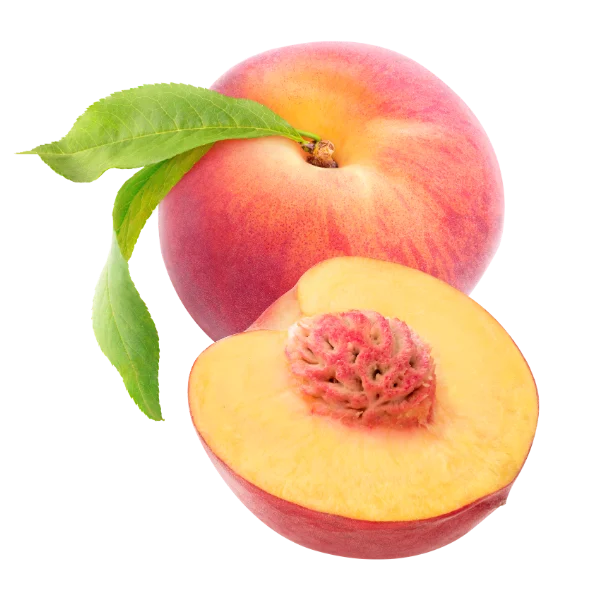
Peach scores a 0 out of 3 on the SIGHI Food Compatibility List, placing it in the Safe category.
Peach & Histamine, what the evidence says
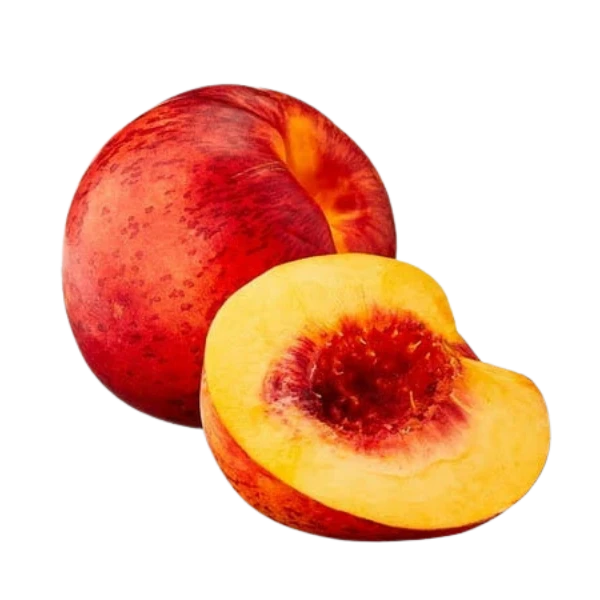
Peach shares its major allergen, Pru p 3, with nectarine, discussed in detail on that page, since the two are forms of the same species and differ mainly in the gene responsible for skin fuzz. Peach, however, has an additional exposure route that nectarine does not: its fuzzy skin. The tiny hairs on the peach skin, called trichomes, contain particularly high concentrations of Pru p 3. A study that directly compared contact reactions found that people who developed contact urticaria after touching peach tested negative when the same skin-contact test was performed with nectarine, the hairless counterpart. This provides direct evidence that contact with the fuzzy peach skin can be a meaningful route of exposure to Pru p 3.
Researchers have proposed that repeated exposure to Pru p 3 concentrated in peach skin and its trichomes could help explain why LTP sensitization is particularly common in Mediterranean populations. However, this remains a proposed explanation rather than an established cause of the geographic pattern.
If you develop itching, hives, or another localized skin reaction after handling a peach, even without eating it, this can be consistent with contact allergy to peach. Occupational reactions have also been reported in people who handle peaches regularly, including agricultural workers. This type of reaction is different from simply having symptoms after eating peach and should be evaluated separately if it occurs repeatedly.
Peach also remains capable of causing systemic IgE-mediated reactions when eaten, as discussed on the nectarine page. The presence of Pru p 3 in the skin means that peeling can reduce exposure, but it does not eliminate the risk for someone with a confirmed peach or LTP allergy because the allergen is also present in the edible portion.
Separate from these allergy considerations, peach's histamine content itself is generally considered low, without the fermentation and aging concerns associated with many high-histamine foods.
Does preparation change the risk?
For peach, both skin contact and eating are relevant exposure routes for allergy, separate from histamine, which is generally low for this fruit.
| Form | Risk Level | Notes |
|---|---|---|
| Peeled peach flesh, no known allergy | Low | Generally low in histamine; peeling reduces but doesn't eliminate allergen exposure for sensitized individuals |
| Handling unpeeled peach skin, no known allergy | Low | Fine for most people, though the trichomes carry concentrated allergen |
| Any amount or skin contact, known peach/LTP allergy | High | This is an allergy consideration, not a histamine one. Both eating and handling can be routes of exposure. |
| Occupational handling (picking, processing), repeated skin contact | Moderate | Contact urticaria has been reported in agricultural workers who regularly handle peaches |
Note: The higher-risk rows here reflect documented allergy and contact-reaction patterns, not standardized histamine measurements. This is separate from histamine intolerance.
A food score is a reference, not a verdict.
Histamine intolerance is highly individual. A food that triggers symptoms in one person may be tolerated by another, even within the same category.
Strict elimination may help reduce symptoms initially, but long-term progress often depends on gradual reintroduction and pattern recognition. The goal is not to remove more foods over time, but to understand your personal tolerance and expand your diet when possible.
Tracking symptoms, portions, and context such as stress or timing can provide insights that generalized food lists cannot. This is where informed decisions replace fear-based restriction.
How to test your tolerance
 Consider skin contact as a separate exposure route.
Peach trichomes carry concentrated Pru p 3. If you react to touching peach but not to nectarine, this contact route may explain it.
 Peel peach if you have a known LTP sensitivity.
This reduces exposure since the allergen is concentrated in the skin, though it doesn't eliminate risk for a confirmed allergy.
- Consider gloves if you handle peaches regularly.
Agricultural workers and others with frequent peach contact have reported contact urticaria from the fuzzy skin.
- Evaluate skin and eating reactions separately.
A reaction from handling peach and a reaction from eating it may involve different exposure routes to the same allergen. Mention both patterns to an allergist.
- Peach and nectarine may not behave identically for contact reactions.
Since nectarine lacks the fuzzy skin, someone with contact reactions to peach handling may not have the same reaction to nectarine skin contact.
 This isn't a histamine tracking issue.
For MyHistaMap purposes, peach is generally low in histamine. Its more clinically significant considerations are allergy-related.
Common questions about Peach and histamine
Is peach high in histamine?
No. Peach's histamine content is generally considered low, without the caveats that come with aged or fermented foods.
Why does touching a peach sometimes cause a skin reaction?
Peach's fuzzy skin contains trichomes with particularly high concentrations of Pru p 3, the same allergen responsible for peach and nectarine food allergy. A study found this contact reaction didn't occur with nectarine, which lacks the fuzzy skin.
Is a peach skin reaction the same as a peach food allergy?
They involve the same allergen but different exposure routes. Contact urticaria from handling peach skin is distinct from an allergic reaction to eating the fruit, though both relate to Pru p 3 sensitization.
Does peeling a peach make it safe for someone with an LTP allergy?
Peeling reduces exposure since the allergen concentrates in the skin, but it doesn't eliminate the risk, since Pru p 3 is also present in the flesh.
Some people find these options helpful





Supplements are optional tools, not a solution. Personal tracking and identifying your individual triggers remains the priority.
Where this information comes from
At MyHistaMap we curate information from peer reviewed research and recognized medical sources. This guide is a reference tool, not a medical prescription. Always track your own reactions and consult your healthcare provider.
References
- Peach-Induced Contact Urticaria Is Associated with Lipid Transfer Protein Sensitization, International Archives of Allergy and Immunology, 2011: found peach contact tests positive while identical contact tests with nectarine were negative in the same patients, supporting a role for peach fuzz in contact urticaria. The source for the peach-versus-nectarine contact reaction findings referenced on this page.
- Peach Fuzz Contains Large Amounts of Lipid Transfer Protein: Is This the Cause of the High Prevalence of Sensitization to LTP in Mediterranean Countries?: measured high LTP concentrations in peach trichomes and proposed skin exposure as a possible contributing factor to regional LTP sensitization patterns. The source for the trichome allergen concentration and the Mediterranean hypothesis referenced on this page.
- SIGHI (Swiss Interest Group Histamine Intolerance) Food Compatibility List: rates peach as well tolerated. The source for peach's histamine classification referenced on this page.