This content is for informational purposes only and does not constitute medical advice. Always consult a qualified healthcare provider before making dietary changes. Histamine tolerance is highly individual.
This information applies to histamine intolerance, DAO deficiency, and MCAS only. If you have a confirmed food allergy, this content does not apply to you. Food allergies involve the immune system and can be life-threatening. Please consult your allergist.
Is Plum a trigger for histamine intolerance?
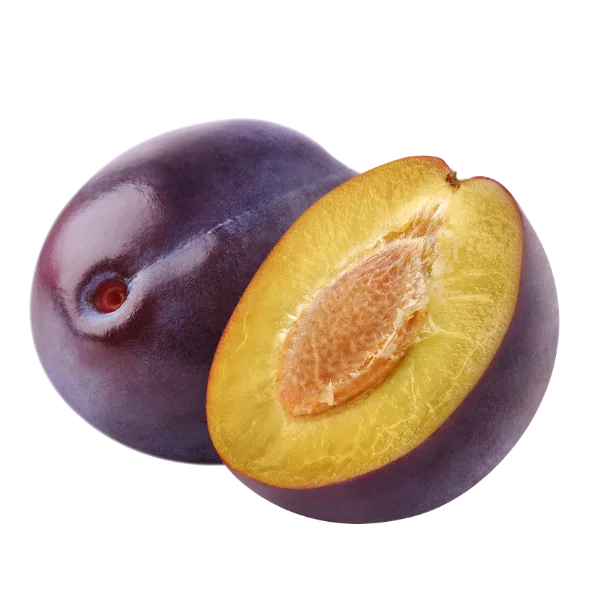
Plum scores a 1 out of 3 on the SIGHI Food Compatibility List, placing it in the Low category. It is also classified on some reference lists as a potential histamine liberator. This reflects the reference list's classification rather than a confirmed mast-cell mechanism, since research specifically testing this hasn't provided strong support for it.
Plum & Histamine, what the evidence says
Plum carries a digestive consideration that is separate from histamine intolerance. Plums contain dietary fiber and the sugar alcohol sorbitol, both of which can affect bowel function. Sorbitol is poorly absorbed in the small intestine in some people, allowing it to reach the colon, where it can draw water into the bowel and contribute to looser stools, gas, bloating, or abdominal discomfort. The fiber in plums can also increase stool bulk and promote bowel movements.
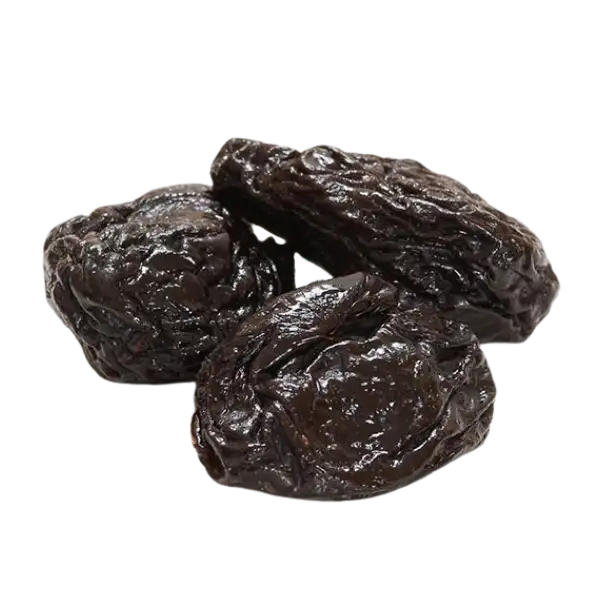
This effect is much more pronounced in dried plums, known as prunes, because drying concentrates both sorbitol and other components of the fruit. Prunes typically contain around 11 to 15 grams of sorbitol per 100 grams, although the exact amount varies by product and origin. Fresh plums contain considerably less sorbitol, but the amount can vary substantially between cultivars. Clinical studies have consistently found that prunes increase stool weight and frequency and can improve constipation, providing good evidence for their bowel-stimulating effect.
This matters for people with histamine intolerance because loose stools, urgency, bloating, or abdominal discomfort after eating plums could have a straightforward digestive explanation rather than being caused by histamine. The possibility becomes more relevant if symptoms appear after a larger portion or after eating dried plums, which contain a much more concentrated amount of sorbitol and fiber.
An older compound called dihydroxyphenylisatin has also been proposed as a laxative component of prunes, but this explanation has not been consistently confirmed in later research. The better-supported explanation involves the combination of sorbitol, fiber, and other components of the fruit rather than a single unique laxative compound.
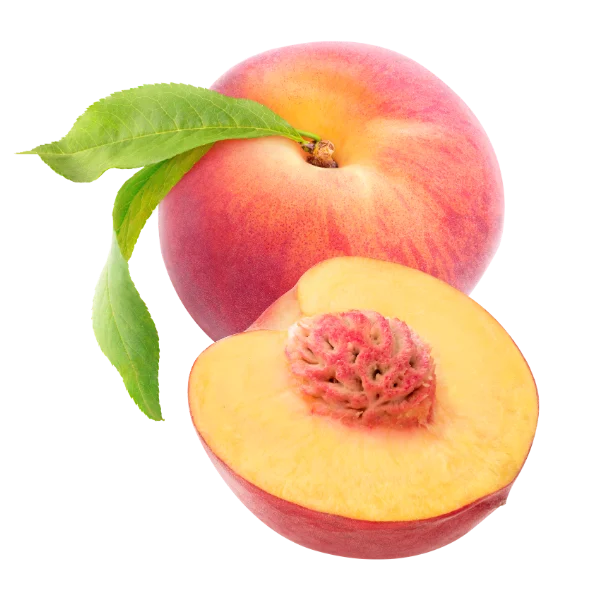
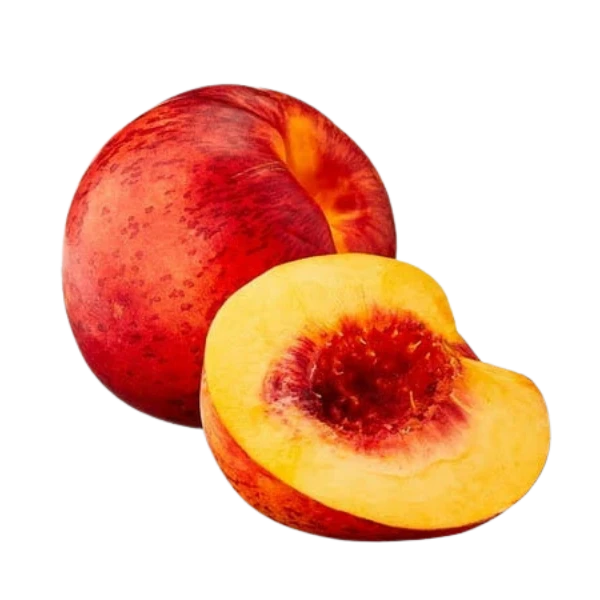
Separate from this digestive consideration, plum belongs to the same botanical genus as peach and nectarine and shares several allergen families with them. These relationships are discussed in more detail on the peach and nectarine pages.
Plum's own histamine content is generally considered low, similar to other fresh stone fruits.
One variety worth knowing about separately is the prune plum (Prunus domestica subsp. domestica), mainly cultivated in Central Europe. Histamine reference sources note that this variety is better tolerated than other plums, though the reasoning behind this distinction isn't detailed in the source.
Does preparation change the risk?
For plum, sorbitol and fiber content, not ripeness, are the main digestive variables, separate from a generally low histamine profile.
| Form | Risk Level | Notes |
|---|---|---|
| Fresh plum, small portion | Low | Generally low in histamine; modest sorbitol content compared to dried form |
| Fresh plum, large portion | Moderate | Sorbitol and fiber content can cause loose stools or digestive discomfort in sensitive individuals |
| Dried plum (prune) | Moderate | Concentrated sorbitol and fiber; well-documented laxative effect, unrelated to histamine |
| Any amount, known peach/nectarine LTP allergy | Moderate | Plum shares allergen families with other Prunus fruits; discuss with an allergist if relevant |
Note: The moderate-risk rows reflect digestive and allergy considerations, not standardized histamine measurements. This is separate from histamine intolerance.
A food score is a reference, not a verdict.
Histamine intolerance is highly individual. A food that triggers symptoms in one person may be tolerated by another, even within the same category.
Strict elimination may help reduce symptoms initially, but long-term progress often depends on gradual reintroduction and pattern recognition. The goal is not to remove more foods over time, but to understand your personal tolerance and expand your diet when possible.
Tracking symptoms, portions, and context such as stress or timing can provide insights that generalized food lists cannot. This is where informed decisions replace fear-based restriction.
How to test your tolerance
 Consider sorbitol if you get loose stools after plum.
This is a well-documented digestive effect, distinct from histamine intolerance, and becomes more likely with larger portions or dried plum.
 Watch your portion of dried plums (prunes).
Prunes concentrate sorbitol and fiber much more than fresh plum, making the laxative effect more pronounced.
 Consider peach/nectarine allergy history.
Plum shares allergen families with other Prunus fruits. If you have a known LTP allergy, be cautious with plum too.
 Don't assume digestive symptoms are histamine-related.
Loose stools or bloating after plum could reflect sorbitol and fiber content rather than a histamine reaction.
- Fresh plum in moderation is a reasonable starting point.
Smaller portions of fresh plum are less likely to trigger the digestive effects associated with sorbitol.
 Track portion size and form separately.
In MyHistaMap, note whether you ate fresh or dried plum and how much, since this affects the digestive consideration more than histamine.
- Look for prune plum if you're in Central Europe.
This specific variety is noted in reference sources as better tolerated than other plums, though the exact reason isn't detailed.
Common questions about Plum and histamine
Is plum high in histamine?
No. Plum's histamine content is generally considered low, similar to other fresh stone fruits like peach.
Why do prunes have a laxative effect?
Prunes are high in sorbitol, a sugar alcohol that draws water into the colon, along with dietary fiber that adds bulk to stool. Clinical studies have confirmed this effect on stool weight and frequency.
Does fresh plum have the same laxative effect as prunes?
To a lesser degree. Fresh plum contains considerably less sorbitol than dried prunes, so the effect is generally milder unless a large portion is eaten.
Could my digestive symptoms after plum be histamine intolerance?
They could also reflect sorbitol and fiber content, a well-documented digestive mechanism unrelated to histamine. This is worth considering, especially after larger portions or dried plum.
Is prune plum different from other plum varieties?
It's specifically noted in histamine reference sources as better tolerated than other plums. Prune plum (Prunus domestica subsp. domestica) is mainly cultivated in Central Europe.
Some people find these options helpful





Supplements are optional tools, not a solution. Personal tracking and identifying your individual triggers remains the priority.
Where this information comes from
At MyHistaMap we curate information from peer reviewed research and recognized medical sources. This guide is a reference tool, not a medical prescription. Always track your own reactions and consult your healthcare provider.
References
- Chemical Composition and Potential Health Effects of Prunes: A Functional Food?, review: reports sorbitol content of approximately 14.7 g/100g in dried prunes and 6.1 g/100g in prune juice, identifying sorbitol as the primary explanation for the laxative effect. The source for the sorbitol content figures referenced on this page.
- Systematic Review: The Effect of Prunes on Gastrointestinal Function: found prunes superior to psyllium for improving stool frequency and consistency in constipation, based on multiple controlled trials. The source for the clinical evidence referenced on this page.
- SIGHI (Swiss Interest Group Histamine Intolerance) Food Compatibility List: rates plum as well tolerated. The source for plum's histamine classification referenced on this page.
- SIGHI (Swiss Interest Group Histamine Intolerance) Food Compatibility List: separately lists prune plum (Prunus domestica subsp. domestica) as better tolerated than other plums, mainly cultivated in Central Europe. The source for the prune plum note referenced on this page.