This content is for informational purposes only and does not constitute medical advice. Always consult a qualified healthcare provider before making dietary changes. Histamine tolerance is highly individual.
This information applies to histamine intolerance, DAO deficiency, and MCAS only. If you have a confirmed food allergy, this content does not apply to you. Food allergies involve the immune system and can be life-threatening. Please consult your allergist.
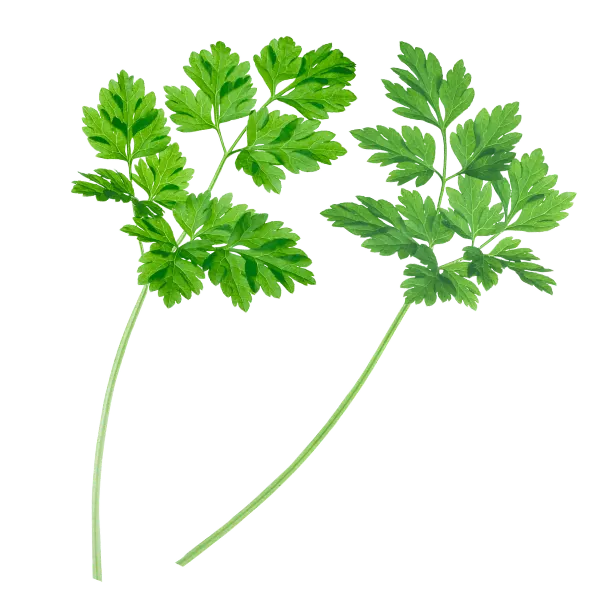
Is Chervil a trigger for histamine intolerance?
Chervil scores a 0 out of 3 on the SIGHI Food Compatibility List, placing it in the Safe category.
Chervil & Histamine, what the evidence says
Chervil is not associated with meaningful histamine content and is generally well tolerated.
Its essential oil contains estragole, a compound with well-documented genotoxic and carcinogenic properties in experimental research. Regulatory safety assessments have therefore recommended keeping exposure to estragole as low as practically achievable, particularly from concentrated sources such as essential oils and extracts. This concern is mainly relevant to concentrated forms of chervil rather than the small amounts of fresh leaves typically used as a garnish or culinary herb.
Chervil is also considered moderate in both oxalates and salicylates based on dietary guidance, although these classifications are not supported by direct laboratory measurements specific to chervil.
Does preparation change the risk?
Fresh chervil used as a garnish or culinary herb is a very different consideration from its concentrated essential oil.
| Form | Risk Level | Notes |
|---|---|---|
| Fresh leaves, garnish or culinary amounts | Low | Not associated with meaningful histamine content; typical use in small amounts as part of fines herbes or a garnish |
| Dried chervil, culinary amounts | Moderate | Considered moderate in oxalates and salicylates, though not from direct laboratory measurement specific to chervil |
| ⚠️ Essential oil or concentrated extract | High | Estragole exposure is much higher in concentrated forms; the toxicological concerns documented for this compound apply here specifically |
Note: Risk levels are based on clinical observations and patient reports, not standardized histamine measurements. Individual tolerance varies.
A food score is a reference, not a verdict.
Histamine intolerance is highly individual. A food that triggers symptoms in one person may be tolerated by another, even within the same category.
Strict elimination may help reduce symptoms initially, but long-term progress often depends on gradual reintroduction and pattern recognition. The goal is not to remove more foods over time, but to understand your personal tolerance and expand your diet when possible.
Tracking symptoms, portions, and context such as stress or timing can provide insights that generalized food lists cannot. This is where informed decisions replace fear-based restriction.
How to test your tolerance
 Fresh, small amounts are the traditional use.
Chervil is typically used as a delicate garnish or in fines herbes, in small quantities. This keeps estragole exposure low.
 Treat concentrated forms differently.
Essential oil or concentrated extract of chervil delivers far more estragole than fresh leaves used in cooking. These forms carry the documented toxicological concerns.
 Factor in oxalates and salicylates.
Chervil is considered moderate in both. If you're managing either sensitivity alongside histamine, this is worth keeping in mind, though the classification isn't based on direct measurement specific to chervil.
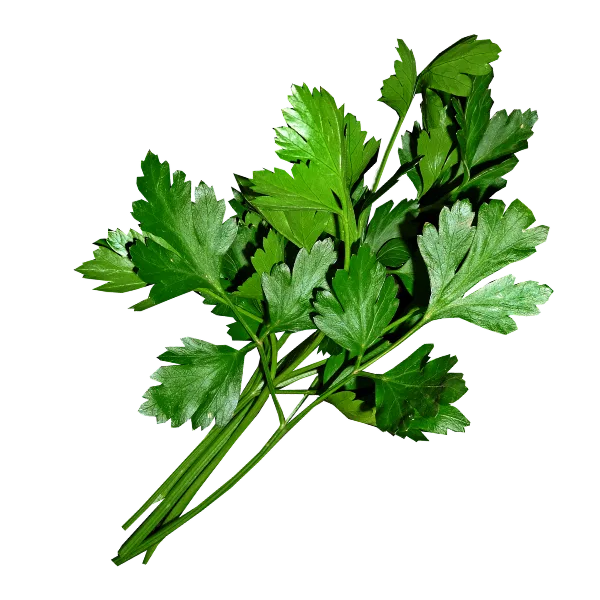
 Don't confuse it with parsley.
Chervil is sometimes called French parsley, but it's a distinct herb from common parsley (Petroselinum crispum), with a different flavor and chemical profile.
 Add it at the end of cooking.
Chervil's delicate flavor is best preserved by adding it near the end of cooking, which is also consistent with using it in small, culinary amounts.
 Track your response in MyHistaMap.
Log the form and amount of chervil used, since concentrated forms are a different consideration than fresh culinary use.
Common questions about Chervil and histamine
Is chervil high in histamine?
No, chervil is not associated with meaningful histamine content and is generally well tolerated.
Is chervil essential oil safe?
Chervil's essential oil contains estragole, a compound with documented genotoxic and carcinogenic properties in concentrated forms. This is mainly a concern for essential oil or extract use, not the small amounts of fresh leaves used in cooking.
Is chervil high in oxalates or salicylates?
It's considered moderate in both, based on general dietary guidance rather than direct laboratory measurement specific to chervil.
Is chervil the same as parsley?
No, though it's sometimes called French parsley. Chervil (Anthriscus cerefolium) is a distinct herb from common parsley (Petroselinum crispum), related but not the same plant.
Some people find these options helpful





Supplements are optional tools, not a solution. Personal tracking and identifying your individual triggers remains the priority.
Where this information comes from
At MyHistaMap we curate information from peer reviewed research and recognized medical sources. This guide is a reference tool, not a medical prescription. Always track your own reactions and consult your healthcare provider.
References
- SIGHI (Swiss Interest Group Histamine Intolerance) Food Compatibility List: classifies chervil (Anthriscus cerefolium), also listed as French parsley, with a histamine score of 0.
- Chizzola R, Composition of the Essential Oils from Anthriscus cerefolium var. trichocarpa and A. caucalis Growing Wild in the Urban Area of Vienna (Austria), Journal of Essential Oil Research, 2011: laboratory analysis confirming chervil essential oil is dominated by estragole (methylchavicol), with proportions varying by plant part and growth stage. The source for this page's note on chervil's estragole content.
- Public Statement on the Use of Herbal Medicinal Products Containing Estragole, European Medicines Agency (EMA), Committee on Herbal Medicinal Products (HMPC): concludes that estragole is a naturally occurring genotoxic carcinogen and recommends that exposure be kept as low as practically achievable, particularly from concentrated sources. The source for this page's section on estragole's toxicological profile.
- Low Oxalate Diet guide, Florida Center for Urogynecology: clinical dietary guidance classifying dried chervil in a moderate category, between the lowest and highest oxalate tiers. The source for this page's oxalate classification, noted as not based on direct laboratory measurement specific to chervil.