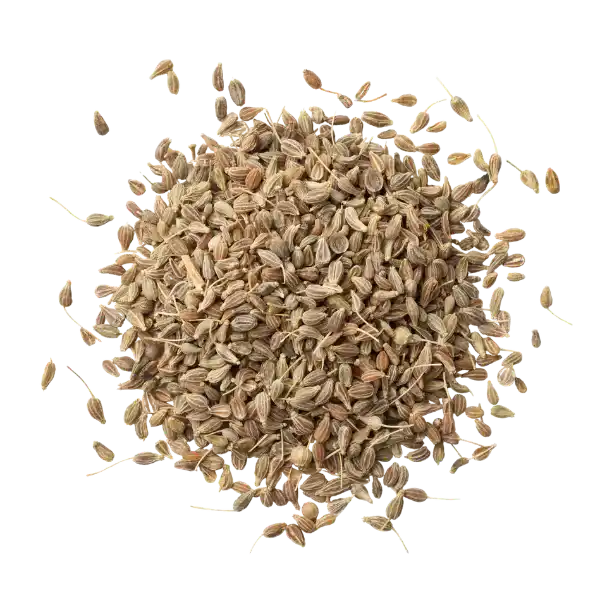
This content is for informational purposes only and does not constitute medical advice. Always consult a qualified healthcare provider before making dietary changes. Histamine tolerance is highly individual.
This information applies to histamine intolerance, DAO deficiency, and MCAS only. If you have a confirmed food allergy, this content does not apply to you. Food allergies involve the immune system and can be life-threatening. Please consult your allergist.
Is Anise, aniseed a trigger for histamine intolerance?
Anise, aniseed's histamine classification isn't conclusive; available reference sources don't agree or don't have enough data to assign a confident score.
Anise, aniseed & Histamine, what the evidence says
Anise does not have a well-established histamine profile. The available evidence is limited, so it is best treated as an unknown when tracking histamine-related reactions.
Anise contains trans-anethole, the compound responsible for its characteristic licorice-like flavor. This compound has shown estrogenic activity in pharmacological research, while the spice has a long history of traditional use for menstrual symptoms, lactation, and menopausal complaints. Clinical evidence for these uses remains limited, so the estrogenic activity of anethole should not be taken as proof that anise will produce these effects in people.
It also contains estragole, a related compound that has been identified as a genotoxic and carcinogenic concern in experimental studies. This is particularly relevant to concentrated forms such as essential oils and extracts, where exposure can be much higher than from the amounts of whole seed typically used as a culinary spice.
Salicylates are another consideration, as anise is high in salicylates. This is relevant for anyone managing salicylate sensitivity alongside histamine.
Does preparation change the risk?
Form and concentration matter more for anise than most spices, since its two most distinctive compounds become more significant as exposure increases.
| Form | Risk Level | Notes |
|---|---|---|
| Whole or ground seed, culinary amounts | Low | Typical spice-level use; histamine profile not well established either way |
| Anise tea | Moderate | Extracts more anethole per cup than a pinch of ground spice; a daily habit is a different consideration than having it occasionally |
| Essential oil or concentrated extract | High | Estragole exposure is much higher in concentrated forms; genotoxicity and carcinogenicity concerns apply here specifically |
| ⚠️ Caution with any form if pregnant, managing a hormone-sensitive condition, or taking hormonal medication | High | Worth discussing with a healthcare provider given anethole's documented estrogenic activity |
Note: Risk levels are based on clinical observations and patient reports, not standardized histamine measurements. Individual tolerance varies.
A food score is a reference, not a verdict.
Histamine intolerance is highly individual. A food that triggers symptoms in one person may be tolerated by another, even within the same category.
Strict elimination may help reduce symptoms initially, but long-term progress often depends on gradual reintroduction and pattern recognition. The goal is not to remove more foods over time, but to understand your personal tolerance and expand your diet when possible.
Tracking symptoms, portions, and context such as stress or timing can provide insights that generalized food lists cannot. This is where informed decisions replace fear-based restriction.
How to test your tolerance
 Check with a provider if hormone-sensitive.
If you're pregnant, managing a hormone-sensitive condition, or taking hormonal medication, ask a healthcare provider before using anise beyond occasional culinary amounts.
 Keep concentrated forms in mind separately.
Essential oils and extracts deliver far more estragole than a culinary pinch of ground or whole seed. Treat these forms as a different consideration entirely.
 Culinary amounts are the safer default.
Using anise the way it's typically used in cooking, small quantities as a flavoring, keeps exposure to its more concerning compounds low.
 Factor in salicylates if you're tracking them.
Anise is considered high in salicylates. If you're managing salicylate sensitivity alongside histamine, this is worth noting.
- Treat histamine reactions as genuinely unknown.
Since anise's histamine profile isn't well established, don't assume it's automatically safe or automatically problematic. Test carefully.
 Track your response in MyHistaMap.
Log the form and amount of anise you used, along with any symptoms, since form and concentration matter more here than for most spices.
Common questions about Anise, aniseed and histamine
Is anise high in histamine?
It's not clearly established either way. The available evidence on anise's histamine content is limited, so it's best treated as an unknown rather than assumed to be favorable.
Is anise safe during pregnancy or with a hormone-sensitive condition?
Worth discussing with a healthcare provider. Anise contains trans-anethole, a compound with documented estrogenic activity, which is a separate consideration from histamine.
Is anise essential oil the same concern as anise seed in cooking?
No, they're meaningfully different. Essential oils and extracts concentrate estragole, a compound flagged as a genotoxic and carcinogenic concern in experimental studies, far beyond what you'd get from culinary amounts of whole or ground seed.
Is anise high in salicylates?
Yes, anise is considered high in salicylates, which matters if you're managing salicylate sensitivity alongside histamine tracking.
Some people find these options helpful





Supplements are optional tools, not a solution. Personal tracking and identifying your individual triggers remains the priority.
Where this information comes from
At MyHistaMap we curate information from peer reviewed research and recognized medical sources. This guide is a reference tool, not a medical prescription. Always track your own reactions and consult your healthcare provider.
References
- Assessment Report on Pimpinella anisum L., fructus and Pimpinella anisum L., aetheroleum, European Medicines Agency (EMA): confirms that trans-anethole has demonstrated estrogenic activity in pharmacological studies, while noting it does not show anti-estrogenic, progestational, or androgenic activity. The source for this page's section on anethole's estrogenic activity.
- Safety and Efficacy of Feed Additives Obtained from the Fruit of Pimpinella anisum L., EFSA FEEDAP Panel Scientific Opinion: concludes that due to its high estragole concentration, anise oil is classified as suspected of causing genetic defects and cancer, and that exposure should be minimized. The source for this page's section on estragole as a genotoxic and carcinogenic concern in concentrated forms.
- Swain AR, Dutton SP, Truswell AS, Salicylates in Foods, Journal of the American Dietetic Association, 1985: direct laboratory measurement classifying aniseed among the higher-salicylate spices. The source for this page's salicylate section.
- SIGHI (Swiss Interest Group Histamine Intolerance) Food Compatibility List: lists anise/aniseed with an "insufficient or contradictory information" designation rather than a clear compatibility rating.