This content is for informational purposes only and does not constitute medical advice. Always consult a qualified healthcare provider before making dietary changes. Histamine tolerance is highly individual.
This information applies to histamine intolerance, DAO deficiency, and MCAS only. If you have a confirmed food allergy, this content does not apply to you. Food allergies involve the immune system and can be life-threatening. Please consult your allergist.
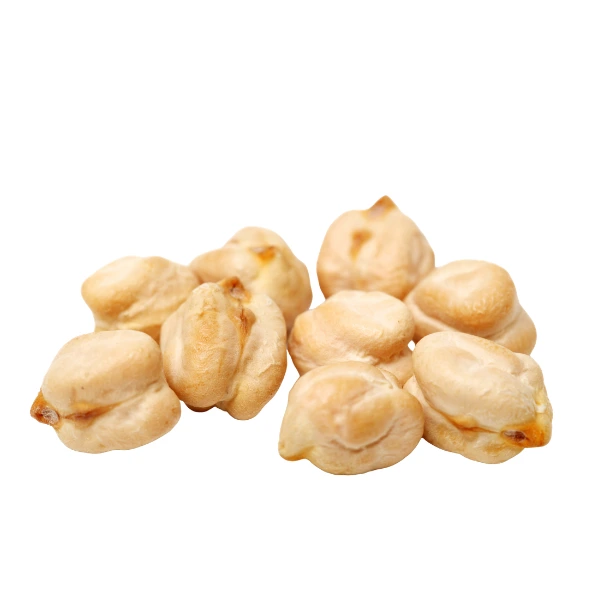
Is Chickpeas a trigger for histamine intolerance?
Chickpeas scores a 2 out of 3 on the SIGHI Food Compatibility List, placing it in the Moderate category.
Chickpeas & Histamine, what the evidence says
Chickpeas are a legume, and like other legumes, freshness matters more than the food itself. Freshly cooked and eaten right away, they're generally considered low to moderate in histamine. However, the SIGHI list, one of the most widely used references in the histamine intolerance community, rates chickpeas closer to the higher end. Canned chickpeas, which remain stored in liquid for months, are a very different product from chickpeas cooked and eaten the same day.
Like other legumes, chickpeas also contain lectins. However, food safety research considers them far less concerning than those found in red kidney beans, making thorough cooking a sensible precaution rather than a major concern.
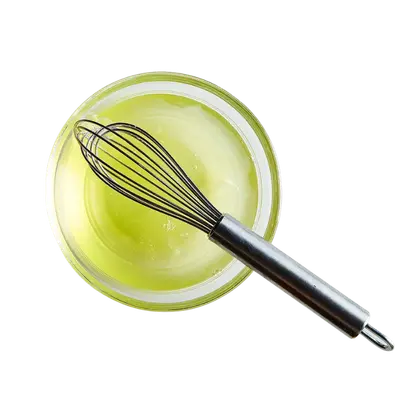
The cooking liquid from chickpeas, known as aquafaba, has become a well-established plant-based substitute for egg whites. Its ability to foam and emulsify comes from saponins, low-molecular-weight proteins, and starches released into the cooking water. Studies have shown it can produce stable foams for meringues and work well in emulsions such as mayonnaise. That's useful to know if you're avoiding both eggs and common egg replacers, although it's separate from the chickpea's histamine profile.
Does preparation change the risk?
Preparation and freshness are the main practical considerations for chickpeas.
| Form | Risk Level | Notes |
|---|---|---|
| Well-cooked, dried chickpeas, eaten fresh | Moderate | Lower end of the range; thorough cooking addresses the general legume lectin consideration |
| Canned chickpeas | Moderate | Stored in liquid for extended periods; can carry more amines than freshly cooked |
| Hummus / chickpea flour | Moderate | Check for added garlic, tahini, or other ingredients that could be independent triggers |
| Aquafaba (cooking liquid) | Low | A genuine egg-white substitute for foams and emulsions, worth knowing if avoiding eggs too |
Note: Risk levels are based on clinical observations and patient reports, not standardized histamine measurements. Individual tolerance varies.
A food score is a reference, not a verdict.
Histamine intolerance is highly individual. A food that triggers symptoms in one person may be tolerated by another, even within the same category.
Strict elimination may help reduce symptoms initially, but long-term progress often depends on gradual reintroduction and pattern recognition. The goal is not to remove more foods over time, but to understand your personal tolerance and expand your diet when possible.
Tracking symptoms, portions, and context such as stress or timing can provide insights that generalized food lists cannot. This is where informed decisions replace fear-based restriction.
How to test your tolerance
 Cook thoroughly and eat fresh.
Chickpeas cooked from scratch and eaten the same day tend to sit at the lower end of their risk range. The longer they sit, especially in liquid, the more that can change.
 Save the cooking liquid if avoiding eggs.
Aquafaba, the liquid chickpeas are cooked or canned in, can be whipped into foams similar to egg whites, useful for meringues or as a binder in baking.
- Check hummus ingredients.
Hummus commonly includes garlic and tahini, both of which are independent variables separate from the chickpeas themselves.
 Track your response.
Log the specific form (whole, hummus, flour) in MyHistaMap, since preparation varies widely.
Common questions about Chickpeas and histamine
Are chickpeas high in histamine?
They land in a moderate range. Fresh, quickly cooked chickpeas tend to be more manageable, while the SIGHI list, a widely used reference in the histamine intolerance community, rates chickpeas closer to the higher end overall.
What is aquafaba?
It's the liquid chickpeas are cooked or canned in. It contains saponins, proteins, and starches that give it foaming and emulsifying properties similar to egg whites, making it a genuine plant-based egg substitute.
Can I use aquafaba if I'm avoiding both eggs and histamine triggers?
Many people use aquafaba specifically because it doesn't carry the same considerations as eggs, though as with any new ingredient, it's worth testing your personal tolerance.
Is hummus the same as plain chickpeas for tracking purposes?
No, hummus typically includes garlic, tahini, and other ingredients, any of which could be an independent trigger separate from the chickpeas.
Some people find these options helpful

Supplements are optional tools, not a solution. Personal tracking and identifying your individual triggers remains the priority.
Where this information comes from
At MyHistaMap we curate information from peer reviewed research and recognized medical sources. This guide is a reference tool, not a medical prescription. Always track your own reactions and consult your healthcare provider.
References
- The SIGHI (Swiss Interest Group Histamine Intolerance) Food Compatibility List rates chickpeas at a score of 2 (incompatible, significant symptoms at usual intake for sensitive individuals), higher than the "generally low" framing found in many casual dietary sources.
- Aquafaba as an egg white substitute in food foams and emulsions, Food Hydrocolloids: confirms chickpea cooking liquid can be whipped into stable foams for meringues and used in emulsions like mayonnaise, with functional properties comparable to egg white in several tests.