This content is for informational purposes only and does not constitute medical advice. Always consult a qualified healthcare provider before making dietary changes. Histamine tolerance is highly individual.
This information applies to histamine intolerance, DAO deficiency, and MCAS only. If you have a confirmed food allergy, this content does not apply to you. Food allergies involve the immune system and can be life-threatening. Please consult your allergist.
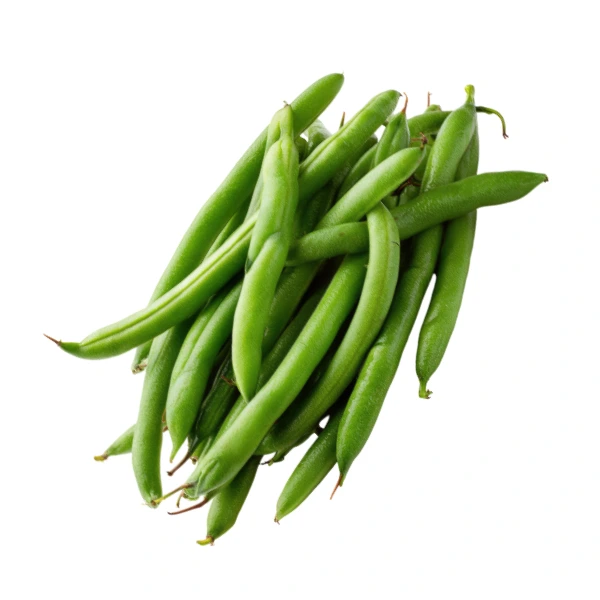
Is Green beans a trigger for histamine intolerance?
Green beans scores a 1 out of 3 on the SIGHI Food Compatibility List, placing it in the Low category.
Green beans & Histamine, what the evidence says
Green beans are a legume, and like some other legumes, they carry a food-safety consideration unrelated to histamine: phytohaemagglutinin (PHA), a lectin that can cause nausea, vomiting, and diarrhea when beans are eaten raw or inadequately cooked. Red kidney beans have the highest documented PHA levels among commonly eaten beans, with raw beans containing hundreds of times more than fully cooked ones. Green beans and broad beans contain much lower levels, though not zero.
PHA is heat-labile, so thorough cooking destroys it effectively. Boiling is particularly reliable because it brings the beans to a high enough temperature, while some slow cookers do not get hot enough to inactivate the toxin. Several documented poisoning outbreaks have been linked to improperly cooked beans.
This is a food-safety consideration, not something specific to histamine intolerance. It is still worth knowing because PHA poisoning can cause digestive symptoms that might otherwise be mistaken for a histamine reaction.
Does preparation change the risk?
Cooking method matters significantly for green beans, for food-safety reasons separate from histamine.
| Form | Risk Level | Notes |
|---|---|---|
| Well-cooked (boiled/steamed) | Low | Adequate heat destroys phytohaemagglutinin; not associated with meaningful histamine content. |
| Raw or lightly blanched | Moderate | Phytohaemagglutinin may not be fully deactivated; can cause digestive symptoms unrelated to histamine. |
| Slow-cooked at low temperature | High | Slow cookers may not reach a high enough temperature to reliably destroy the lectin; documented poisoning outbreaks have been linked to this method. |
Note: Risk levels are based on clinical observations and patient reports, not standardized histamine measurements. Individual tolerance varies.
A food score is a reference, not a verdict.
Histamine intolerance is highly individual. A food that triggers symptoms in one person may be tolerated by another, even within the same category.
Strict elimination may help reduce symptoms initially, but long-term progress often depends on gradual reintroduction and pattern recognition. The goal is not to remove more foods over time, but to understand your personal tolerance and expand your diet when possible.
Tracking symptoms, portions, and context such as stress or timing can provide insights that generalized food lists cannot. This is where informed decisions replace fear-based restriction.
How to test your tolerance
 Cook thoroughly.
Boiling or steaming green beans until fully tender deactivates phytohaemagglutinin, the lectin responsible for digestive symptoms in undercooked legumes.
 Avoid slow cookers for this purpose.
Slow cookers may not reach a high enough temperature to reliably destroy the lectin - documented food poisoning outbreaks have been traced to beans prepared this way.
 Separate digestive symptoms from histamine reactions.
Nausea or stomach upset after undercooked green beans is a lectin effect, not necessarily a histamine one.
 Track your response.
Log preparation method and any symptoms using the MyHistaMap app to help distinguish undercooking issues from histamine tolerance.
Common questions about Green beans and histamine
Are green beans high in histamine?
No. Green beans are not associated with meaningful histamine content.
Why do green beans need to be cooked thoroughly?
Like other legumes, green beans contain phytohaemagglutinin, a lectin that can cause digestive symptoms if not adequately cooked. Green beans contain much lower levels than red kidney beans, but the same cooking principle applies.
Is this the same reaction as histamine intolerance?
No, phytohaemagglutinin-related digestive upset is a separate, well-documented food-safety issue, unrelated to histamine.
Are canned green beans a safer option?
Commercially canned beans undergo thorough heat processing during production, which is generally sufficient to destroy the lectin.
Some people find these options helpful

Supplements are optional tools, not a solution. Personal tracking and identifying your individual triggers remains the priority.
Where this information comes from
At MyHistaMap we curate information from peer reviewed research and recognized medical sources. This guide is a reference tool, not a medical prescription. Always track your own reactions and consult your healthcare provider.
References
- Phytohaemagglutinin, ScienceDirect Topics: raw kidney beans contain 20,000 to 70,000 hemagglutinating units (hau) of PHA, compared to 200 to 400 hau in fully cooked beans, and PHA's hemagglutinating activity has been measured between 25C and 70C.
- Phytohemagglutinin content in fresh kidney bean in China, Food Reviews International (Taylor & Francis), 2019: PHA toxicity from undercooked beans, particularly slow-cooked preparations that don't reach sufficiently high temperatures, has been documented as a recurring cause of food poisoning outbreaks.