This content is for informational purposes only and does not constitute medical advice. Always consult a qualified healthcare provider before making dietary changes. Histamine tolerance is highly individual.
This information applies to histamine intolerance, DAO deficiency, and MCAS only. If you have a confirmed food allergy, this content does not apply to you. Food allergies involve the immune system and can be life-threatening. Please consult your allergist.
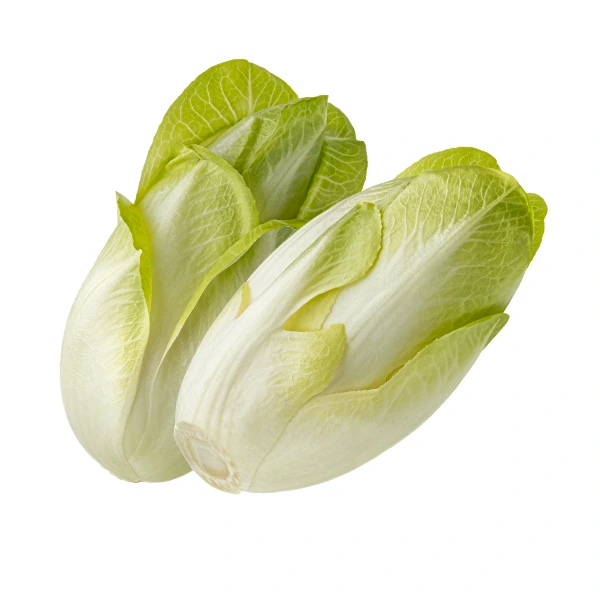
Is Chicory a trigger for histamine intolerance?
Chicory scores a 0 out of 3 on the SIGHI Food Compatibility List, placing it in the Safe category.
Chicory & Histamine, what the evidence says
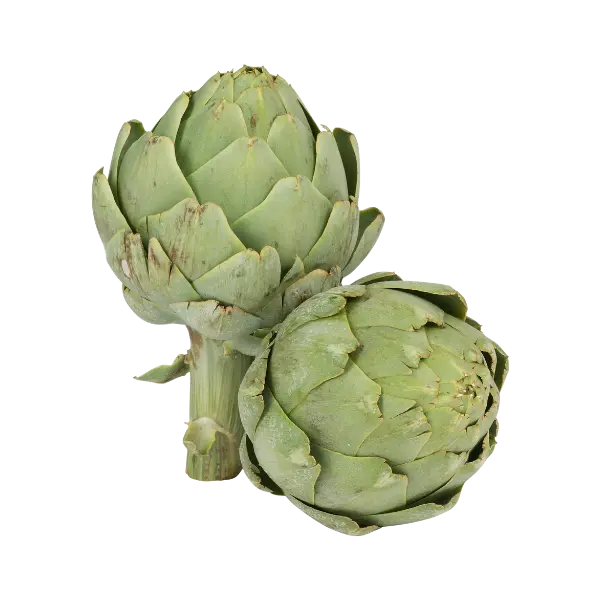
Chicory is not associated with meaningful histamine levels, making it a reasonable fit for a low-histamine approach from that perspective. Allergy is a separate consideration. Chicory belongs to the Asteraceae (Compositae) family, alongside ragweed, mugwort, chamomile, and artichoke, and documented allergic reactions, including cross-reactivity with pollens from this family, have been reported. Someone with a ragweed or mugwort pollen allergy who develops mouth or throat itching after eating chicory may therefore be experiencing this type of reaction rather than a histamine-related one.
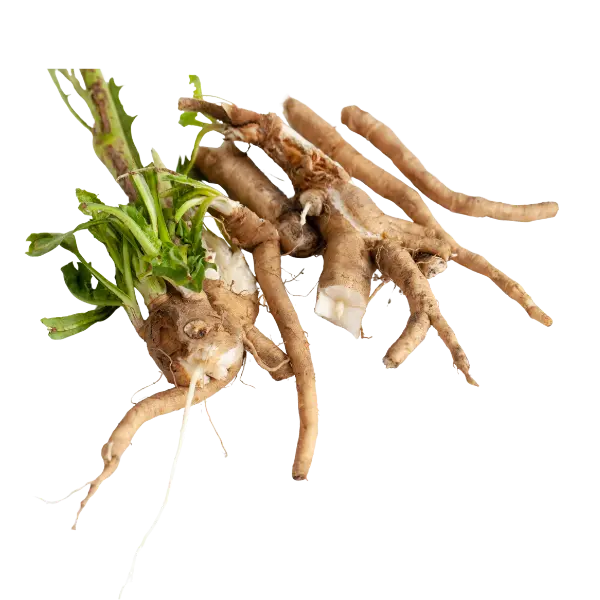
The main nutritional consideration with chicory is its inulin content. Inulin is a prebiotic fiber in the fructan family, the same group of FODMAPs responsible for digestive symptoms in people sensitive to fructans. Fresh chicory root contains roughly 13 to 23% inulin by total weight, or about 68% when measured on a dry-weight basis, and that concentration can reach around 98% in dried root extract. This is why chicory root is widely used as a commercial source of inulin and added fiber in packaged foods. This concentration is specific to the root; chicory leaves, including forms eaten as salad greens such as Belgian endive and radicchio, have a much lower FODMAP profile. The distinction matters whenever "chicory" appears as an ingredient name, since root, root extract, and leaf are not interchangeable from a FODMAP standpoint.
Salicylates are another consideration. Chicory was included in direct laboratory measurements of food salicylates, with levels relevant to people managing salicylate sensitivity alongside histamine.
Does preparation change the risk?
Which part of the chicory plant you're eating, and in what form, makes a real difference here, more than histamine does.
| Form | Risk Level | Notes |
|---|---|---|
| Chicory leaves (salad greens, e.g. Belgian endive, radicchio) | Low | Not associated with meaningful histamine content; tests low in FODMAPs, unlike the root |
| Whole chicory root (cooked) | Moderate | Roughly 13-23% inulin by fresh weight; relevant if you're managing FODMAP sensitivity |
| Dried chicory root extract / inulin fiber (added to packaged foods) | High | Up to ~98% inulin by weight; a common concentrated, easy-to-miss source of FODMAPs |
| Any form, if allergic to ragweed or mugwort pollen | High | Cross-reactive allergic reactions have been documented, independent of preparation or part used |
Note: Risk levels are based on clinical observations and patient reports, not standardized histamine measurements. Individual tolerance varies.
A food score is a reference, not a verdict.
Histamine intolerance is highly individual. A food that triggers symptoms in one person may be tolerated by another, even within the same category.
Strict elimination may help reduce symptoms initially, but long-term progress often depends on gradual reintroduction and pattern recognition. The goal is not to remove more foods over time, but to understand your personal tolerance and expand your diet when possible.
Tracking symptoms, portions, and context such as stress or timing can provide insights that generalized food lists cannot. This is where informed decisions replace fear-based restriction.
How to test your tolerance
 Know your pollen allergies first.
If you have a known ragweed or mugwort pollen allergy, chicory is worth approaching cautiously, since cross-reactive food-allergy symptoms have been documented, separate from histamine intolerance.
 Distinguish leaves from root.
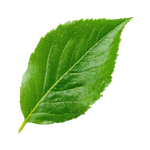
Chicory leaves (like Belgian endive or radicchio) test low in FODMAPs, while the root is concentrated in inulin. Know which one you're actually eating.
 Check labels for hidden inulin or chicory root fiber.
Dried chicory root extract can reach nearly 98% inulin by weight and is a common added-fiber ingredient in packaged foods, an easy-to-miss concentrated FODMAP source.
 Start with a small portion of the leaves.
If testing chicory for the first time, begin with a modest amount of the leafy form and note how you respond.
 Be mindful if you're salicylate-sensitive.
Chicory has measurable salicylate content. If you're tracking salicylates alongside histamine, factor this in.
 Track your response in MyHistaMap.
Log which part and form of chicory you ate, and any symptoms, especially oral or throat symptoms that could point to allergy rather than histamine.
Common questions about Chicory and histamine
Is chicory high in histamine?
No, chicory is not associated with meaningful histamine levels, making it a reasonable fit for a low-histamine approach.
Can I eat chicory if I'm allergic to ragweed?
Be cautious. Chicory belongs to the same plant family (Asteraceae) as ragweed and mugwort, and documented cases of cross-reactive allergic reactions exist. Mouth or throat itching after eating chicory could be a food-allergy reaction rather than a histamine-related one.
Is chicory high in FODMAPs?
It depends on the part. Chicory root, and especially dried root extract or inulin fiber added to packaged foods, is a concentrated FODMAP source (up to ~98% inulin by weight in extract form). Chicory leaves, like Belgian endive and radicchio, test low in FODMAPs by comparison.
Is Belgian endive as high in FODMAPs as chicory root?
No. Belgian endive is the leaf form of the chicory plant, and it tests low in FODMAPs, unlike the root, which is concentrated in inulin. The two parts of the same plant behave quite differently here.
Some people find these options helpful

Supplements are optional tools, not a solution. Personal tracking and identifying your individual triggers remains the priority.

Where this information comes from
At MyHistaMap we curate information from peer reviewed research and recognized medical sources. This guide is a reference tool, not a medical prescription. Always track your own reactions and consult your healthcare provider.
References
- SIGHI (Swiss Interest Group Histamine Intolerance) Food Compatibility List: classifies chicory (Cichorium intybus) with a histamine score of 0, no biogenic amine, liberator, or DAO-blocker letters.
- Allergy to red chicory (Cichorium intybus var. sylvestre): documents chicory allergy, including oral and systemic reactions, and discusses cross-reactivity with pollens among Asteraceae family members including ragweed, chamomile, lettuce, and sunflower. The source for this page's section on Asteraceae cross-reactivity.
- Chemical Composition and Nutritive Benefits of Chicory (Cichorium intybus) as an Ideal Complementary and/or Alternative Livestock Feed Supplement: reports fresh chicory root contains approximately 68% inulin by dry weight, and dried chicory root extract contains approximately 98% inulin by weight. The source for this page's inulin concentration figures.
- Swain AR, Dutton SP, Truswell AS, Salicylates in Foods, Journal of the American Dietetic Association, 1985: direct laboratory measurement placing fresh chicory's salicylate content at 1.02 mg/100g, within the range considered relevant for salicylate-sensitive individuals. The source for this page's salicylate section.
- Monash University FODMAP Diet App food database: classifies Belgian endive (witlof) as low FODMAP with a generous serving size, distinct from the high-fructan classification of chicory root and root extract. The source for this page's distinction between chicory leaf and root FODMAP content.