This content is for informational purposes only and does not constitute medical advice. Always consult a qualified healthcare provider before making dietary changes. Histamine tolerance is highly individual.
This information applies to histamine intolerance, DAO deficiency, and MCAS only. If you have a confirmed food allergy, this content does not apply to you. Food allergies involve the immune system and can be life-threatening. Please consult your allergist.
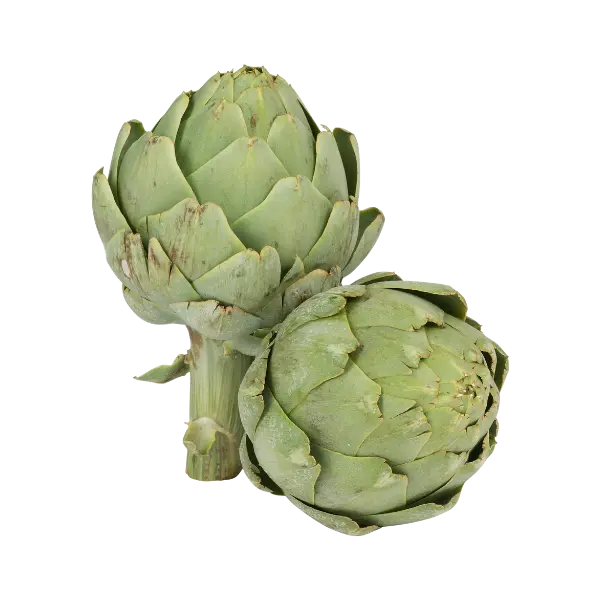
Is Artichoke a trigger for histamine intolerance?
Artichoke scores a 0 out of 3 on the SIGHI Food Compatibility List, placing it in the Safe category.
Artichoke & Histamine, what the evidence says
Artichoke isn't associated with meaningful histamine levels. What matters more is its fructan content, a type of FODMAP that can cause digestive symptoms in some people, and salicylates, a separate group of plant compounds that some individuals are sensitive to, independent of histamine.
Artichoke also contains some oxalate, though a typical serving delivers a fairly modest amount. A small artichoke bud has about 5 mg of oxalate, and a half-cup serving has around 13 mg, which is well below high-oxalate vegetables like spinach or rhubarb, where a single serving can contain hundreds of milligrams.
Artichoke leaves are also a natural source of cynarin, a compound with a well-documented choleretic effect, meaning it stimulates bile production by the liver. This is one of the better-studied effects of artichoke and has been investigated in clinical trials for conditions such as dyspepsia and cholesterol management. Most of this research, however, involves concentrated artichoke leaf extracts rather than eating the vegetable itself.
Cynarin has one more well-documented effect worth knowing, unrelated to any of this: it can temporarily change the way your tongue perceives sweet tastes. Eating artichoke and then drinking water afterward can make the water taste distinctly sweet, an effect first studied in 1972 and confirmed since, though not everyone experiences it. It's a real, harmless quirk of the compound, not a sign of anything wrong.
Does preparation change the risk?
Preparation and portion size are the main variables for artichoke.
| Form | Risk Level | Notes |
|---|---|---|
| Fresh, small portion | Low | Smaller amounts are usually easier to tolerate from a fructan standpoint |
| Whole artichoke, standard serving | Moderate | Fructan and salicylate content becomes more noticeable at typical serving sizes |
| Marinated / jarred | Moderate | Often preserved in vinegar or oil with garlic; check for other added triggers |
| Leaf extract / supplement | Moderate | Concentrated cynarin content; worth extra caution if you have gallbladder concerns |
Note: Risk levels are based on clinical observations and patient reports, not standardized histamine measurements. Individual tolerance varies.
A food score is a reference, not a verdict.
Histamine intolerance is highly individual. A food that triggers symptoms in one person may be tolerated by another, even within the same category.
Strict elimination may help reduce symptoms initially, but long-term progress often depends on gradual reintroduction and pattern recognition. The goal is not to remove more foods over time, but to understand your personal tolerance and expand your diet when possible.
Tracking symptoms, portions, and context such as stress or timing can provide insights that generalized food lists cannot. This is where informed decisions replace fear-based restriction.
How to test your tolerance
 Watch your portion size.
Artichoke is high in fructans. A small portion is generally better tolerated than a full serving.
 Consider salicylate sensitivity.
Artichoke is relatively high in salicylates. If you also react to aspirin or other salicylate-rich foods, this is worth tracking separately from histamine.
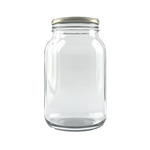 Check jarred or marinated versions.
These often include garlic, vinegar, or oil, any of which could be an independent trigger beyond the artichoke itself.
 Be cautious with concentrated extracts.
Artichoke leaf extract has a well-documented bile-stimulating effect. If you have gallbladder issues, this is worth discussing with your doctor before using concentrated forms.
 Don't be alarmed if water tastes sweet afterward.
This is a well-known, harmless effect of cynarin, not a sign of a reaction. Not everyone experiences it.
 Track your response.
Log portion size and any digestive symptoms in MyHistaMap to tell fructan effects apart from histamine reactions.
Common questions about Artichoke and histamine
Is artichoke high in histamine?
No, artichoke isn't linked to meaningful histamine levels.
Why do I get digestive symptoms after eating artichoke?
Artichoke is high in fructans, a type of FODMAP. This can cause bloating or discomfort in fructan-sensitive people, independent of histamine.
Is artichoke high in oxalate?
It contains some oxalate, but a typical serving is modest, around 5 to 13 mg, well below high-oxalate foods like spinach or rhubarb, which can contain hundreds of milligrams per serving.
What is cynarin?
Cynarin is a compound in artichoke, particularly concentrated in the leaves, with a well-documented effect on stimulating bile production. Most of this research comes from concentrated leaf extracts rather than typical eating amounts.
Why does water taste sweet after I eat artichoke?
This is a well-documented, harmless effect of cynarin, which temporarily changes how your tongue perceives sweet tastes. It's been studied since 1972, though not everyone experiences it.
Should I be cautious with artichoke if I have gallbladder issues?
Since artichoke leaf compounds are known to stimulate bile flow, it's worth checking with a doctor before using concentrated artichoke extracts if you have a history of gallbladder problems.
Some people find these options helpful
Supplements are optional tools, not a solution. Personal tracking and identifying your individual triggers remains the priority.
Where this information comes from
At MyHistaMap we curate information from peer reviewed research and recognized medical sources. This guide is a reference tool, not a medical prescription. Always track your own reactions and consult your healthcare provider.
References
- Erlich et al., Effect of Artichoke Leaf Extract on the Bile Flow in Humans: A Systematic Review and Meta-Analysis, Phytotherapy Research, 2019: confirms the choleretic (bile-stimulating) effect of artichoke leaf extract across the pooled human trial data. The source for this page's cynarin and bile section.
- Giacosa et al., The Effect of Ginger and Artichoke Extract Supplementation on Functional Dyspepsia: A Randomised, Double-Blind, and Placebo-Controlled Clinical Trial, 2015: 126-patient RCT found a significant improvement in dyspepsia symptoms with supplementation versus placebo.
- Vegetables and Oxalate, Oxalosis and Hyperoxaluria Foundation: reports approximately 5 mg of oxalate in a small artichoke bud and approximately 13 mg in a half-cup serving. The source for this page's specific oxalate figures.
- Bartoshuk, Lee, and Scarpellino, Sweet Taste of Water Induced by Artichoke (Cynara scolymus), Science, 1972: first documented that eating artichoke temporarily alters sweet taste perception, making plain water taste sweet afterward in many, though not all, people. The source for this page's cynarin and taste-perception section.