This content is for informational purposes only and does not constitute medical advice. Always consult a qualified healthcare provider before making dietary changes. Histamine tolerance is highly individual.
This information applies to histamine intolerance, DAO deficiency, and MCAS only. If you have a confirmed food allergy, this content does not apply to you. Food allergies involve the immune system and can be life-threatening. Please consult your allergist.
Is Endive a trigger for histamine intolerance?
Endive scores a 0 out of 3 on the SIGHI Food Compatibility List, placing it in the Safe category.
Endive & Histamine, what the evidence says
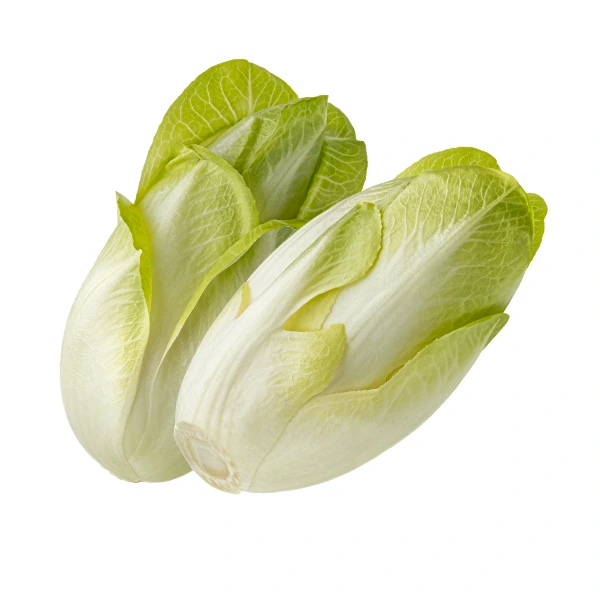
Endive (Cichorium endivia) isn't associated with meaningful histamine content, which places it favorably on a low-histamine approach. Its characteristic bitterness comes largely from sesquiterpene lactones, including lactucin and lactucopicrin, compounds found across the Cichorium genus. These compounds have been studied for potential anti-inflammatory and antioxidant effects, although most of this research remains preliminary.
Endive is often confused with Belgian endive (witloof), but they are botanically different. Belgian endive belongs to a different species, Cichorium intybus, the same species as common chicory, and is produced by forcing the plant to grow in darkness, which creates its characteristic pale leaves and mild bitterness. True endive, Cichorium endivia, is a separate species. Both contain related bitter compounds and contain fructans, a type of FODMAP that can cause digestive symptoms in sensitive individuals independent of histamine.
Does preparation change the risk?
Portion size matters for endive's fructan content.
| Form | Risk Level | Notes |
|---|---|---|
| Small portion, salad greens | Low | Not associated with meaningful histamine content; smaller amounts are generally better tolerated for fructan content |
| Standard serving | Moderate | Same histamine profile; fructan content becomes more relevant at typical serving sizes |
| Braised / cooked | Moderate | Cooking mellows bitterness but does not significantly reduce fructan content |
Note: Risk levels are based on clinical observations and patient reports, not standardized histamine measurements. Individual tolerance varies.
A food score is a reference, not a verdict.
Histamine intolerance is highly individual. A food that triggers symptoms in one person may be tolerated by another, even within the same category.
Strict elimination may help reduce symptoms initially, but long-term progress often depends on gradual reintroduction and pattern recognition. The goal is not to remove more foods over time, but to understand your personal tolerance and expand your diet when possible.
Tracking symptoms, portions, and context such as stress or timing can provide insights that generalized food lists cannot. This is where informed decisions replace fear-based restriction.
How to test your tolerance
 Watch your portion size.
Endive is a source of fructans. A smaller portion is generally better tolerated from a digestive standpoint.
 Know the difference from Belgian endive.
Despite the similar name, Belgian endive (witloof) is actually a different species, Cichorium intybus, the same species as common chicory. True endive is Cichorium endivia. Both share bitterness and fructan content.
 Consider salicylate sensitivity separately.
Endive is moderate in salicylates. If you also react to aspirin or other salicylate-rich foods, this is worth tracking apart from histamine.
- Pair with milder greens to balance bitterness.
This is a taste consideration rather than a histamine one, but can make endive easier to incorporate regularly.
 Track your response.
Log portion size and any digestive symptoms using MyHistaMap to distinguish fructan effects from histamine reactions.
Common questions about Endive and histamine
Is endive high in histamine?
No. Endive is not associated with meaningful histamine content.
Why does endive taste bitter?
Primarily from lactucin and lactucopicrin, sesquiterpene lactone compounds found across the Cichorium genus. These are being researched for anti-inflammatory properties, though the evidence is still preliminary.
Is endive the same as Belgian endive?
No, despite the similar name. Belgian endive (witloof) belongs to Cichorium intybus, the same species as common chicory, and is grown through a distinctive dark-forcing process. True endive is a separate species, Cichorium endivia. Both share bitterness and fructan content.
Why might endive cause bloating?
Endive contains fructans, a type of FODMAP. This can cause digestive discomfort in sensitive individuals, independent of histamine.
Is endive high in salicylates?
It's considered moderate, a separate consideration from histamine, worth knowing if you're also managing salicylate sensitivity.
Some people find these options helpful

Supplements are optional tools, not a solution. Personal tracking and identifying your individual triggers remains the priority.
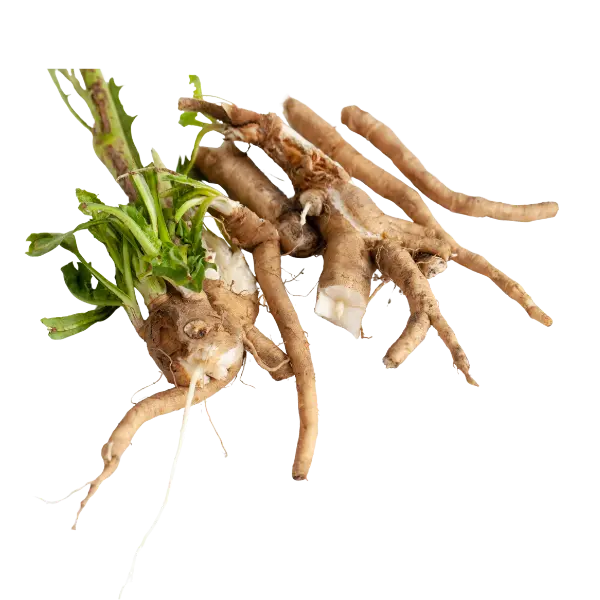
Where this information comes from
At MyHistaMap we curate information from peer reviewed research and recognized medical sources. This guide is a reference tool, not a medical prescription. Always track your own reactions and consult your healthcare provider.
References
- van Arkel et al., Effect of Root Storage and Forcing on the Carbohydrate and Secondary Metabolite Composition of Belgian Endive (Cichorium intybus L. var. foliosum), ACS Food Science & Technology, 2022: confirms Belgian endive is Cichorium intybus var. foliosum, distinct from true endive, Cichorium endivia, and identifies lactucin and lactucopicrin as the terpenoid compounds responsible for its characteristic bitter taste. The source for this page's taxonomy and bitterness sections.
- Metabolite Profiling of Sesquiterpene Lactones From Lactuca Species, Journal of Biological Chemistry: confirms lactucin and lactucopicrin are classified as sesquiterpene lactones, intensely bitter compounds found across the Cichorium and related genera. The source for this page's chemical classification of the bitter compounds.
- RPAH Elimination Diet Handbook, Swain, Soutter & Loblay, Royal Prince Alfred Hospital Allergy Unit, 2011: classifies endive among vegetables moderate in salicylates. The source for this page's salicylate classification.