This content is for informational purposes only and does not constitute medical advice. Always consult a qualified healthcare provider before making dietary changes. Histamine tolerance is highly individual.
This information applies to histamine intolerance, DAO deficiency, and MCAS only. If you have a confirmed food allergy, this content does not apply to you. Food allergies involve the immune system and can be life-threatening. Please consult your allergist.
Is Cocoa butter a trigger for histamine intolerance?
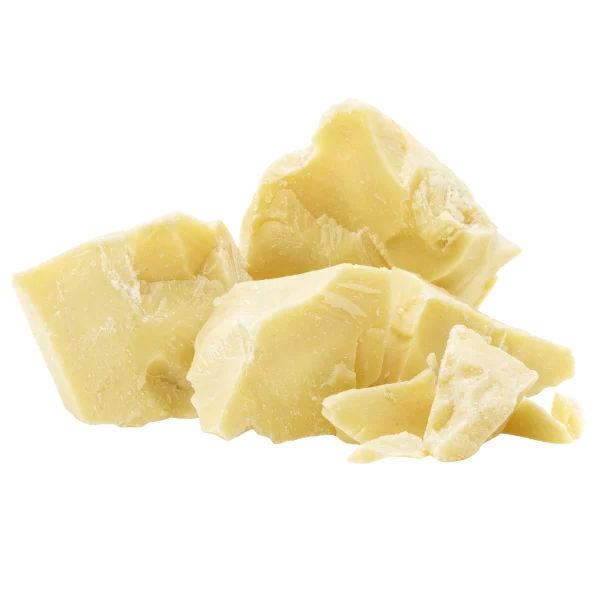
Cocoa butter scores a 0 out of 3 on the SIGHI Food Compatibility List, placing it in the Safe category.
Cocoa butter & Histamine, what the evidence says
Cocoa butter is treated very differently from cocoa powder or chocolate on histamine reference lists, and the reason comes down largely to how it is made. Cocoa butter is the fat extracted from cocoa beans and separated from the cocoa solids. Those solids contain most of the compounds people associate with cocoa, including methylxanthines such as theobromine and caffeine, as well as various polyphenols and other non-fat-soluble compounds. Because cocoa butter is primarily the separated fat fraction, many of these compounds are present at much lower levels in pure cocoa butter.
The difference can be seen clearly when comparing cocoa butter with cocoa solids. White chocolate, for example, is made with cocoa butter rather than cocoa powder, so it contains dramatically less theobromine and caffeine than dark chocolate or cocoa powder. The same separation helps explain why pure cocoa butter behaves differently from cocoa and chocolate when considering the compounds relevant to histamine intolerance.
Reference lists generally consider cocoa butter well tolerated, although some sources include a degree of uncertainty. That is better understood as a limitation of the available food-specific data than as evidence of a known problem with cocoa butter itself. Pure cocoa butter has simply been studied much less specifically than cocoa powder and chocolate.
Does preparation change the risk?
Cocoa butter's histamine profile depends heavily on whether cocoa solids are also present in the product.
| Form | Risk Level | Notes |
|---|---|---|
| Pure cocoa butter | Low | The separated fat fraction, generally well tolerated, though less specifically studied than cocoa solids |
| White chocolate | Low | Made with cocoa butter rather than cocoa powder, so it contains dramatically less theobromine and caffeine |
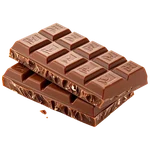
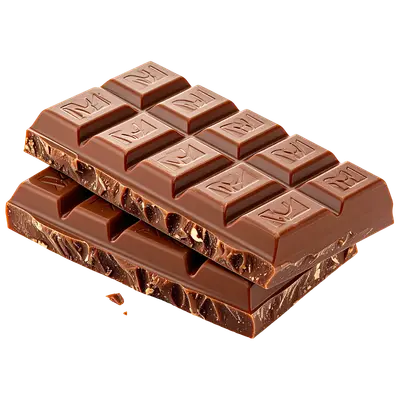
| Milk or dark chocolate | Moderate | Contains cocoa solids alongside cocoa butter, which brings in the compounds associated with chocolate and histamine |
| Cocoa powder or cocoa liquor | Moderate | This is the cocoa solids fraction, treated separately from cocoa butter on reference lists |
Note: Risk levels are based on clinical observations and patient reports, not standardized histamine measurements. Individual tolerance varies.
A food score is a reference, not a verdict.
Histamine intolerance is highly individual. A food that triggers symptoms in one person may be tolerated by another, even within the same category.
Strict elimination may help reduce symptoms initially, but long-term progress often depends on gradual reintroduction and pattern recognition. The goal is not to remove more foods over time, but to understand your personal tolerance and expand your diet when possible.
Tracking symptoms, portions, and context such as stress or timing can provide insights that generalized food lists cannot. This is where informed decisions replace fear-based restriction.
How to test your tolerance
 Check the ingredient list.
Products made purely with cocoa butter, like white chocolate, are a different question from those containing cocoa solids, like dark or milk chocolate.
 Don't assume 'chocolate' means one thing.
Cocoa butter, cocoa powder, and chocolate products all behave differently. Knowing which one you're eating matters more than the general category.
 Treat pure cocoa butter as a reasonable starting point.
Since it's separated from most of the cocoa solids, pure cocoa butter is a lower-uncertainty choice than products containing cocoa powder or chocolate liquor.
 Remember it's less studied, not proven risky.
The uncertainty noted for cocoa butter on some reference lists reflects a lack of specific research, not a known problem.
 Compare white chocolate labels.
Not all products labeled 'white chocolate' use the same formulation. Check that cocoa butter, not cocoa powder, is the primary cocoa ingredient.
 Track cocoa products separately.
Log pure cocoa butter, white chocolate, and dark or milk chocolate as distinct entries in MyHistaMap, since their profiles differ.
Common questions about Cocoa butter and histamine
Is cocoa butter high in histamine?
No. Cocoa butter is generally considered well tolerated, unlike cocoa powder or chocolate, which contain cocoa solids linked to compounds relevant to histamine intolerance.
Why is cocoa butter treated differently from chocolate?
Cocoa butter is the fat pressed out of cocoa beans, separated from the cocoa solids. Those solids contain most of the methylxanthines and other compounds associated with cocoa, so pure cocoa butter contains much less of them.
Is white chocolate safer than dark chocolate for histamine intolerance?
White chocolate is made with cocoa butter rather than cocoa powder, so it contains dramatically less theobromine and caffeine than dark chocolate. This doesn't automatically make it histamine-free, but it's a different composition than chocolate made with cocoa solids.
Does the uncertainty around cocoa butter mean it's risky?
Not necessarily. The uncertainty noted on some reference lists reflects that cocoa butter hasn't been studied as specifically as cocoa powder or chocolate, not that a problem has been identified.
Some people find these options helpful





Supplements are optional tools, not a solution. Personal tracking and identifying your individual triggers remains the priority.
Where this information comes from
At MyHistaMap we curate information from peer reviewed research and recognized medical sources. This guide is a reference tool, not a medical prescription. Always track your own reactions and consult your healthcare provider.
References
- SIGHI (Swiss Interest Group Histamine Intolerance) Food Compatibility List: rates cocoa butter as well tolerated with a marked degree of uncertainty, distinct from cocoa/cocoa powder's higher, amine-flagged rating. The source for the classifications compared on this page.
- Exploring the Nutritional Composition and Bioactive Compounds in Different Cocoa Powders, 2023: notes that white chocolate, made from cocoa butter, contains the lowest polyphenol content and barely contains methylxanthines compared to cocoa powder or dark chocolate. The source for the white chocolate comparison referenced on this page.
- The Health Impact of Cocoa from Cultivation to the Formation of Biogenic Amines: An Updated Review, Foods, 2025: describes methylxanthines, polyphenols, and biogenic amines as concentrated in cocoa's non-fat solid fraction rather than the fat. The source for this page's explanation of how the fat-solids separation affects composition.