This content is for informational purposes only and does not constitute medical advice. Always consult a qualified healthcare provider before making dietary changes. Histamine tolerance is highly individual.
This information applies to histamine intolerance, DAO deficiency, and MCAS only. If you have a confirmed food allergy, this content does not apply to you. Food allergies involve the immune system and can be life-threatening. Please consult your allergist.
Is Coconut a trigger for histamine intolerance?
Coconut scores a 1 out of 3 on the SIGHI Food Compatibility List, placing it in the Low category.
Coconut & Histamine, what the evidence says
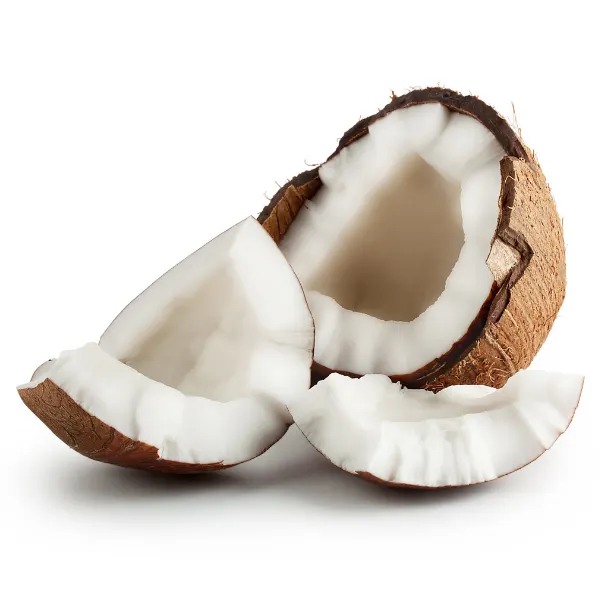
Coconut, including fresh coconut meat, coconut milk, and coconut water, is generally considered a relatively low-risk food for people managing histamine intolerance, although some histamine reference systems place it in a moderate or uncertain category rather than among the foods considered universally well tolerated. That distinction reflects variation between reference systems and limited food-specific data rather than evidence that fresh coconut contains significant amounts of histamine.
Different low-histamine diet guides do not always place coconut in the same category. Some consider it generally well tolerated, while others recommend more caution. These differences should not automatically be interpreted as evidence that new research has established coconut as a histamine problem. In many cases, they reflect differences in how individual guides handle foods for which the available evidence is limited or inconsistent.
Processed coconut products are a separate consideration from fresh coconut meat, milk, or water. Some products, including coconut aminos, coconut vinegar, and coconut kefir, are produced through fermentation. Fermentation can allow microorganisms to convert amino acids into biogenic amines, including histamine, so the fermentation process and storage conditions matter more than the fact that the product originally came from coconut. Dried or desiccated coconut is not fermented simply because it has been dried, although checking the ingredient label for added preservatives or other ingredients is still worthwhile.
Coconut flour and coconut sugar are two products worth understanding separately from the fresh coconut meat, milk, or water already discussed above. Coconut flour is made from the coconut meat left over after oil or coconut milk has been extracted, then dried and ground; it isn't fermented and is generally considered low in histamine, similar to fresh coconut, though it's much higher in fiber. Coconut sugar, sometimes called coconut blossom sugar or coconut palm sugar, comes from a different part of the plant entirely: the nectar of the coconut palm's flower buds, not the coconut fruit itself. This nectar is boiled down until it solidifies into sugar, a heating process rather than a fermentation process, so coconut sugar isn't considered a fermented product, despite sharing a similar origin with coconut aminos, which uses the same nectar but through a different process.
Coconut water, coconut sugar, and coconut flour are also worth flagging for a different reason: their FODMAP content can become relevant depending on the amount consumed. FODMAPs are carbohydrates that some people absorb poorly, and the amount of a food matters because a product can be low FODMAP at a small serving but become moderate or high FODMAP at a larger one. This matters particularly for products such as coconut water, which may be tolerated in a small serving but can provide enough fructans and sorbitol in larger amounts to trigger digestive symptoms. Coconut flour is also much more concentrated than fresh coconut because it has had much of its fat removed, while coconut sugar is used as a concentrated sweetener. For someone sensitive to FODMAPs, the quantity consumed can therefore make a substantial difference, and digestive symptoms after these products may not have anything to do with histamine.
Does preparation change the risk?
Coconut's histamine profile depends heavily on whether the specific product has gone through fermentation.
| Form | Risk Level | Notes |
|---|---|---|
| Fresh coconut meat | Low | Generally well tolerated; reference lists vary slightly on the exact category |
| Coconut milk or coconut water | Low | Check for additives in packaged versions, but the coconut itself isn't the concern |
| Dried or desiccated coconut | Low | Not fermented by the drying process itself; check the label for added preservatives |
| Coconut aminos, coconut vinegar, or coconut kefir | Moderate | These go through fermentation, which can raise histamine and other biogenic amine content depending on the specific product and how it was made |
| Coconut flour, used as a flour substitute | Moderate | Low in histamine, but concentrated in FODMAPs at the amounts typically used in baking; a digestive consideration, not a histamine one |
| Coconut sugar or coconut water, in typical amounts | Moderate | Low in histamine, but FODMAP content rises with serving size; may cause digestive symptoms unrelated to histamine |
Note: Risk levels are based on clinical observations and patient reports, not standardized histamine measurements. Individual tolerance varies.
A food score is a reference, not a verdict.
Histamine intolerance is highly individual. A food that triggers symptoms in one person may be tolerated by another, even within the same category.
Strict elimination may help reduce symptoms initially, but long-term progress often depends on gradual reintroduction and pattern recognition. The goal is not to remove more foods over time, but to understand your personal tolerance and expand your diet when possible.
Tracking symptoms, portions, and context such as stress or timing can provide insights that generalized food lists cannot. This is where informed decisions replace fear-based restriction.
How to test your tolerance
 Check packaged coconut products for additives.
Canned coconut milk and packaged coconut water sometimes include preservatives or stabilizers worth reviewing on the label, separate from the coconut itself.
 Treat fermented coconut products separately.
Coconut aminos, coconut vinegar, and coconut kefir go through fermentation. Don't assume your tolerance for fresh coconut predicts how you'll do with these.
 Don't be surprised by inconsistent classifications.
Different low-histamine diet guides sometimes categorize coconut differently. This reflects limited or varying data, not necessarily new evidence of risk.
 Fresh and dried coconut meat are both reasonable starting points.
Neither goes through fermentation, so they're a good place to start if you're testing your tolerance for coconut.
 Introduce it like any new food.
Start with a modest amount and note how you feel, especially if you're trying a fermented coconut product for the first time.
 Track fresh and fermented coconut separately.
In MyHistaMap, log coconut milk or fresh coconut apart from coconut aminos or kefir, since they're different questions.
- Consider FODMAPs for coconut flour, sugar, or water.
These are low in histamine, but their FODMAP content rises with the amounts typically used, which could explain digestive symptoms unrelated to histamine.
- Know that coconut sugar isn't fermented.
It comes from boiled coconut blossom nectar, a heating process, not fermentation, even though it shares an origin with coconut aminos.
Common questions about Coconut and histamine
Is coconut high in histamine?
No. Fresh coconut meat, milk, and water are generally considered low-risk, though different reference lists place coconut in slightly different categories.
Why do different sources disagree about coconut?
This usually reflects differences in how individual guides handle foods with limited or inconsistent data, rather than new evidence that coconut contains meaningful histamine.
Are coconut aminos safe for histamine intolerance?
It depends on the specific product. Many coconut aminos are made through fermentation, which can raise histamine and other biogenic amine content, so this is a separate question from fresh coconut.
Is dried coconut different from fresh coconut for histamine purposes?
Drying alone doesn't ferment coconut, so desiccated coconut is generally similar to fresh coconut in this respect. It's still worth checking the label for added preservatives.
Is coconut flour or coconut sugar high in histamine?
No, both are generally low in histamine. Their more relevant consideration is FODMAP content, which can become significant at the amounts typically used in cooking or as a sweetener.
Is coconut sugar fermented like coconut aminos?
No. Coconut sugar is made by boiling down coconut blossom nectar until it solidifies, a heating process rather than fermentation, even though it comes from the same part of the plant as coconut aminos.
Some people find these options helpful





Supplements are optional tools, not a solution. Personal tracking and identifying your individual triggers remains the priority.
Where this information comes from
At MyHistaMap we curate information from peer reviewed research and recognized medical sources. This guide is a reference tool, not a medical prescription. Always track your own reactions and consult your healthcare provider.
References
- SIGHI (Swiss Interest Group Histamine Intolerance) Food Compatibility List: rates coconut, coconut shavings, coconut milk, and coconut water as moderately compatible, noting it as a good source of selenium. The source for coconut's classification referenced on this page.
- Biogenic amines, including histamine, are generally formed when microorganisms decarboxylate amino acids during fermentation, a well-established mechanism relevant to fermented coconut products such as coconut aminos, vinegar, and kefir. The source for this page's general statement about fermentation and biogenic amine formation.
- Monash University FODMAP testing, as reported by multiple FODMAP resource sites: found coconut flour high in fructose, fructans, and sorbitol even at modest serving sizes, and found coconut sugar and coconut water low-FODMAP only at small servings (around 1 teaspoon and 100-120ml respectively), becoming moderate to high at more typical serving sizes. The source for the FODMAP information referenced on this page.
- Coconut sugar (coconut blossom sugar or coconut palm sugar) is produced by boiling down the nectar of the coconut palm's flower buds until it solidifies, a heating process distinct from the fermentation used for coconut aminos, which uses the same nectar. The source for the coconut sugar production process referenced on this page.